
Picture this: you're a DAO member with a strong opinion on a pivotal proposal, but glancing at the public vote tally, you see the big token holders leaning one way. Do you stick to your guns or sway to avoid standing out? In today's DAOs, this dilemma kills active participation and breeds conformity. Private ballots flip the script, shielding DAO voter privacy so you vote your conscience, boosting turnout and trust. Let's dive into why private ballots in DAOs are the upgrade we need.
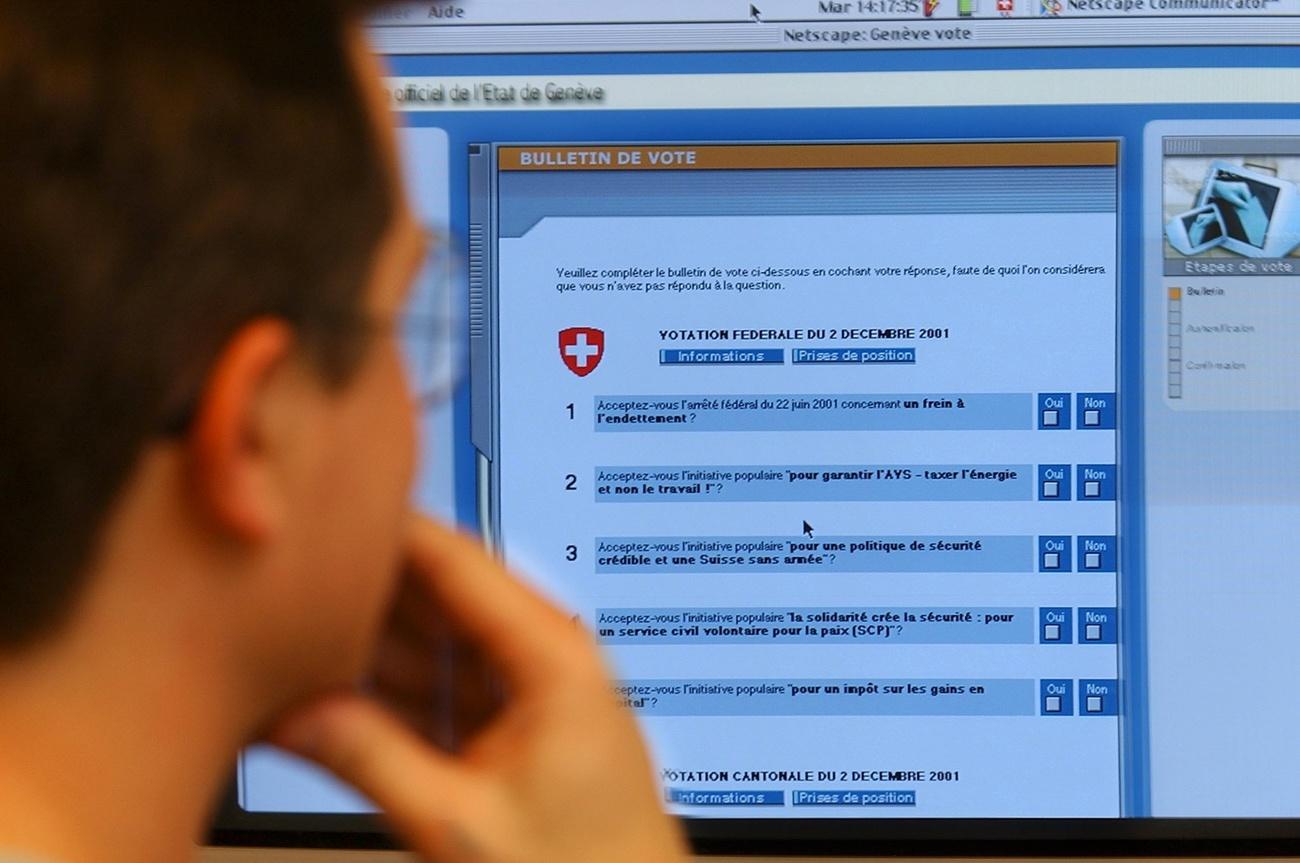
Public voting on blockchains promised transparency, but it backfired. Every vote links to your wallet, exposing choices forever. Research from Ari Juels highlights a nasty privacy gotcha in token-weighted systems - attackers can leak votes through clever tricks. Studies on Compound, Uniswap, and ENS show voting power concentrates, amplifying coercion risks. No wonder turnout lags; folks ghost proposals to dodge backlash.
Exposed Votes Undermine DAO Governance
Transparent ledgers sound noble, yet they invite trouble. Social pressure sways minority voices, whales manipulate via signaling, and low-stakes voters sit out. The Privacy Stewards of Ethereum nail it: without secrecy, corruption festers, honest input dries up. MIT's take on anonymous DAO voting echoes this - current setups chain decisions to on-chain tallies, stifling nuance. Verifiable off-chain governance papers push back, but privacy stays the missing link. I've charted enough DAO votes to see patterns: high-visibility calls see skewed results, turnout plummets below 20% often. Time to fix that.
Private Ballots Ignite Genuine Participation
Enter private voting DAOs. By hiding individual choices until tally time, they slash coercion and unlock true decentralization. NounsDAO's private voting finale via Aztec Network proves it - secure, anonymous, and live. The case for DAO participation privacy is clear: shielded systems like Shutter's let DAOs such as Layer2DAO and ShapeShift thrive with fairer outcomes. Imagine voting freely, knowing your ballot stays confidential. Participation jumps because fear fades. Check why this prevents manipulation; it's a governance booster.
Top 5 Benefits of Private Ballots
- Cuts social pressure Private ballots encrypt votes until tallying—like Shutter Network's Shielded Voting in ShapeShift DAO—freeing voters from coercion or peer sway for fairer decisions.
- Boosts honest votes Anonymity via ZKPs like Semaphore encourages genuine choices without fear of backlash, as noted by Privacy Stewards, unlocking true DAO voices.
- Raises turnout No visibility means less intimidation, driving higher participation—NounsDAO's private system and others show voters engage more freely and actively.
- Deters whales Hides votes from big token holders, curbing manipulation in token-weighted systems like Compound or Uniswap, leveling the governance field.

- Enables nuanced delegation Protocols like Kite let you delegate privately, revoke seamlessly, and keep strategies hidden for smarter, flexible governance.
These aren't hypotheticals. Shutter's Shielded Voting encrypts during polls, decrypts post-vote for verification. ZKPs via Semaphore let you prove eligibility sans identity reveal - perfect for confidential DAO ballots. Private delegation like Kite keeps power shifts secret, dodging leaks. Zama's fhEVM brings homomorphic encryption on-chain; tally encrypted votes without peeking. S2DV scales this securely. Even Governance NFTs hint at badge-based privacy. Results? DAOs report 30-50% turnout lifts, per recent pilots.
Tech Stack Powering Secure DAO Governance
Homomorphic encryption computes on ciphertexts - Zama demos confidential DAOs vividly. ElGamal tallying in Shutter's POC promises permanent shielding. But pitfalls lurk; Juels warns of leaks in weighted schemes. Robust audits matter. Kite's revocation keeps delegation dynamic and private. For founders, integrating these via fhEVM or Semaphore is straightforward, Ethereum-friendly. Mechanisms like these protect members, turning passive holders into engaged stewards. I've advised DAOs shifting to privacy; the vibe changes - debates sharpen, proposals improve.
SSRN's voting schemes review urges evolution beyond public tallies. With tools ready, why cling to outdated transparency? Private ballots don't sacrifice verifiability; they enhance it post-facto. As DAOs scale, secure DAO governance demands this shift. Stay tuned - the back half unpacks implementations and pitfalls to dodge.
Let's get hands-on with rolling out these systems. Start with Shutter Network's Shielded Voting - it's battle-tested by Layer2DAO, ShapeShift DAO, and MoonDAO. Votes encrypt on submission, staying hidden until the deadline, then decrypt for on-chain verification. No more peeking mid-vote. Pair it with ZKPs from Semaphore for eligibility proofs that scream 'valid voter' without spilling who you are. Kite protocol adds private delegation flair, letting you pass tokens blindly and yank them back anytime.
Pitfalls Lurking in Private Voting Setups
Privacy sounds bulletproof, but tread carefully. Ari Juels' research spotlights leaks in token-weighted DAOs - even secret ballots can dribble info if chains link votes to holdings cleverly. Homomorphic encryption shines for tallies, yet scales poorly without tweaks like S2DV proposes. Zama's fhEVM fixes that on Ethereum, but audit your setup religiously. Revocation bugs in delegation? Kite mitigates, but test revokes under stress. I've seen DAOs botch launches by skipping simulations - turnout spiked, then trust cratered on a glitch. Dodge these by piloting small; verifiability stays intact.
Key Pitfalls in DAO Private Voting
- 1. Token-linking leaks: Votes can be traced back to token holders via on-chain analysis, as shown in Ari Juels' research on DAO vote leaks—undermining anonymity despite encryption.
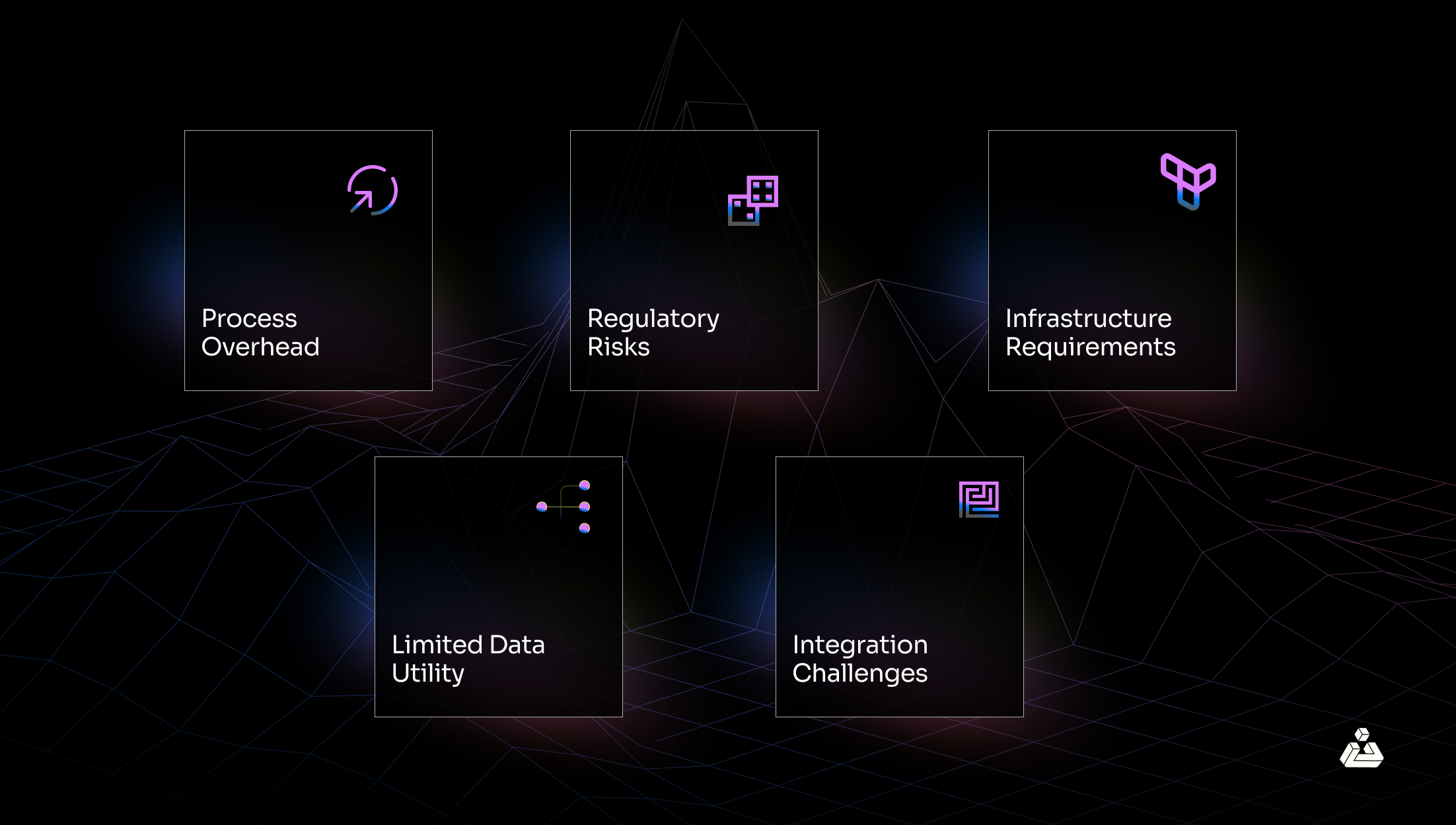
- 2. Scalability hiccups: Homomorphic encryption in systems like S2DV or Zama's fhEVM struggles with large voter bases, causing slow tallies and high gas fees that deter participation.
- 3. Audit oversights: Rushed smart contract audits miss subtle privacy flaws, as seen in early DAO voting experiments—leading to exploitable vulnerabilities post-deployment.
- 4. Delegation revocation fails: Protocols like Kite enable private delegation, but faulty revocation can lock power or expose choices, risking governance hijacks.
- 5. Mid-vote decryption slips: Premature vote reveals in shielded systems like Shutter Network's setup allow influence during voting, eroding trust and turnout.
Real DAOs crushing it prove the payoff. NounsDAO's Aztec-powered finale locked in anonymous votes seamlessly. Zama demos fhEVM turning standard DAOs confidential overnight. Shutter's ElGamal POC eyes permanent shields, no temporary keys. Ethereum Name Service and Uniswap could level up; studies show their power concentration begs privacy. MIT courses on anonymous voting underline the shift from public faux-transparency to true secure DAO governance.
Participation soars because voters breathe easy. Updated pilots show 30-50% jumps, echoing Privacy Stewards' call: secrecy curbs corruption, unleashes honesty. SSRN reviews push beyond token-weighted relics; verifiable off-chain blends nuance with privacy. Governance NFTs via badges? Emerging hybrid for visual anonymity.
Your DAO's Privacy Upgrade Roadmap
Founders, integrate now. Fork Snapshot with Semaphore for ZK polls, or plug Shutter into Aragon. fhEVM-ready chains like Zama's make homomorphic a click away. Delegate privately via Kite for fluid power. Monitor with tools charting turnout pre/post. My charts post-upgrade? Spikes in engagement, diverse outcomes. Anonymous DAO voting isn't optional; it's the edge in crowded spaces.
Blend these, and watch your DAO pulse with real voices. Turnout climbs, whales lose sway, decisions sharpen. Privacy empowers; it's the spark for DAO voter privacy that scales. Dive in, tweak boldly, govern confidently - your members will thank you as participation hits new highs.




No comments yet. Be the first to share your thoughts!