
In the evolving landscape of decentralized governance, limited private DAOs emerge as a strategic bulwark against the pitfalls of open participation. These structures prioritize DAO airdrop distribution privacy, ensuring that rewards reach genuine contributors without the specter of exploitation. Traditional airdrops, while democratizing token access, often fall prey to Sybil attacks and manipulative farming, diluting value for true stakeholders. By confining membership and veiling processes, private DAOs foster equitable sharing, aligning incentives with long-term prosperity. Patience and process, as I always emphasize, drive such outcomes.

Consider the mechanics at play. Public blockchains, for all their transparency, broadcast every transaction, inviting scrutiny and predation. Airdrops meant to reward early adopters become battlegrounds for bots and whales. In contrast, confidential DAO governance employs cryptographic layers to obscure identities while verifying eligibility. Recent advancements, like privacy-preserving uniqueness proofs, stand out. These mechanisms confirm one-person-one-vote without exposing personal data, a game-changer for fair distribution.
Navigating Legal and Tax Hurdles in Private Airdrop Designs
Crafting airdrops within limited private DAOs demands meticulous attention to compliance. Securities regulations loom large; tokens distributed as governance incentives can trigger scrutiny under frameworks like the Howey Test. Tax implications further complicate matters, with IRS treating airdrops as taxable income upon receipt in many jurisdictions. Yet, strategic wrappers such as DAO LLCs offer shields, blending decentralized ethos with legal fortification.
Empirical studies highlight airdrops' dual role as incentives and governance tools. Retroactive distributions, rewarding past contributions, gain traction in DAOs. But without privacy, they invite front-running and unequal access. Private models mitigate this by gating entry through NFT-based authentication or zero-knowledge credentials, ensuring only vetted members partake.

Core Privacy Technologies Powering Secure Airdrop Mechanisms
At the heart of secure DAO membership lie innovations like the Kite protocol. This enables private delegation, revocation, and redelegation of voting power, keeping strategies confidential. Coupled with confidential voting via zero-knowledge proofs and homomorphic encryption, DAOs achieve verifiable outcomes without doxxing participants.
Projects such as Penumbra and Namada exemplify privacy-enhanced token airdrops. Penumbra's private staking within Cosmos, and Namada's multi-chain shielding, demonstrate practical scalability. These aren't theoretical; they're battle-tested against real-world threats, preserving asset confidentiality across ecosystems.
Privacy-Focused Airdrop Strategies
- 1. Uniqueness Proofs vs. Sybil Attacks: Privacy-preserving proofs verify participant uniqueness without revealing identities, ensuring fair airdrop eligibility. (Source)
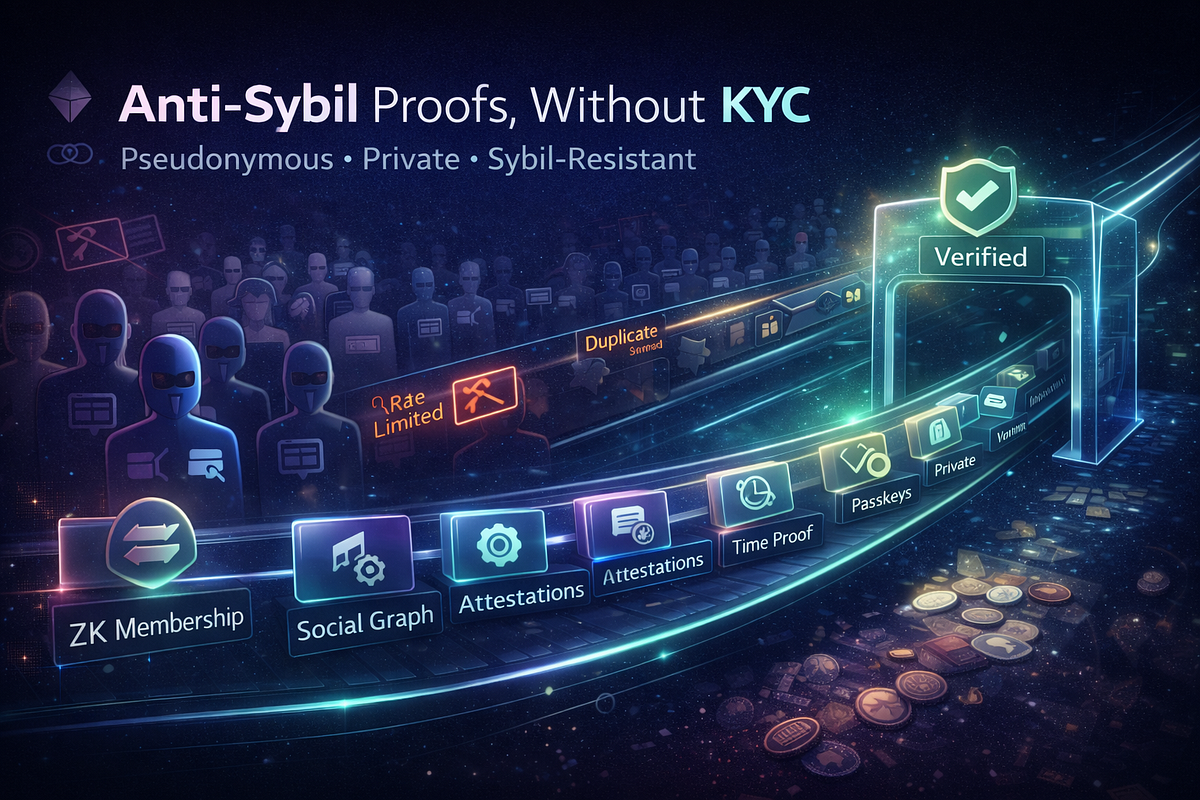
- 2. ZK-Based Confidential Voting: Zero-knowledge proofs enable anonymous, verifiable votes for airdrop governance decisions. (Source)
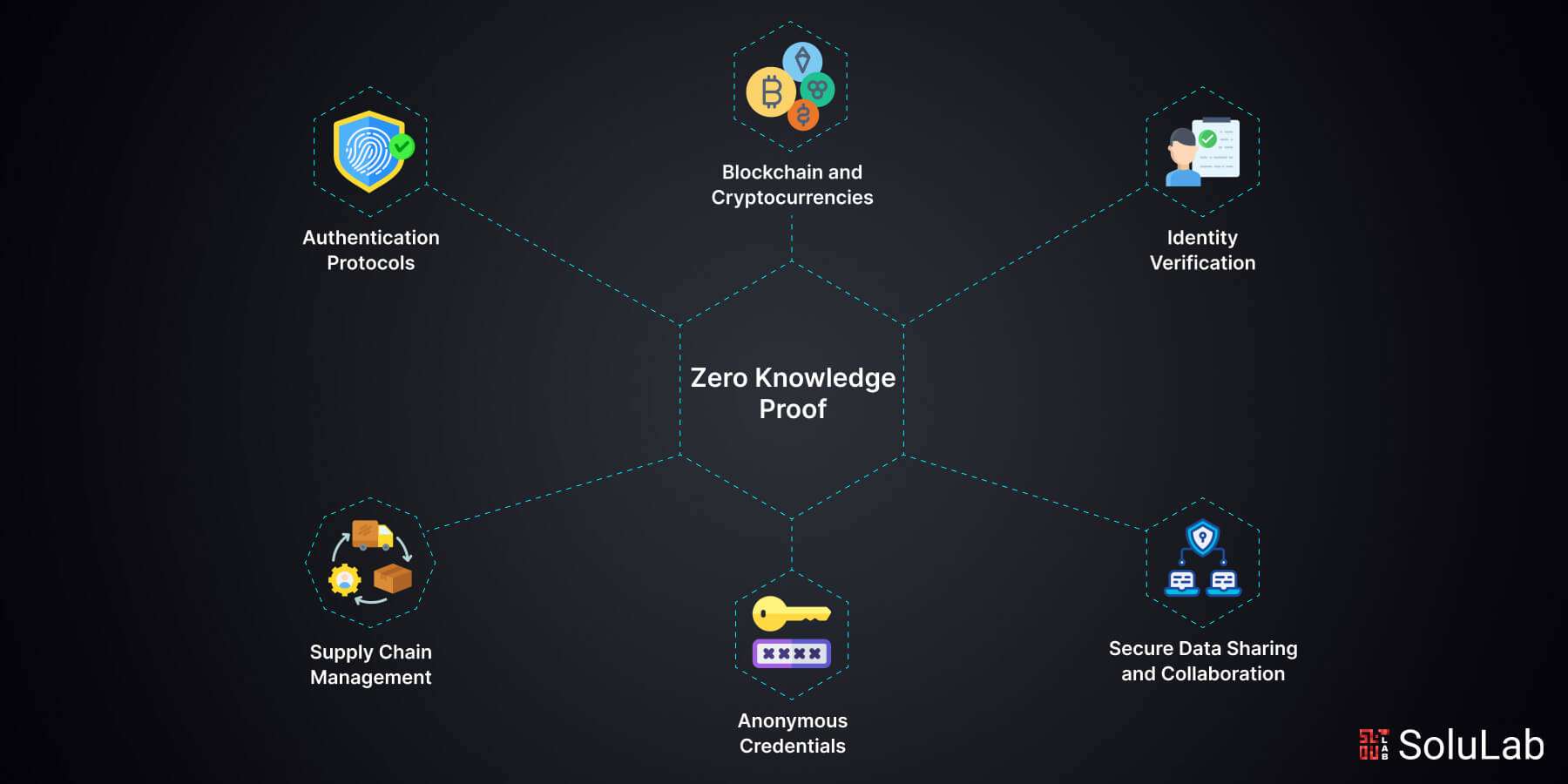
- 3. Private Delegation Protocols: Protocols like Kite allow confidential delegation and revocation of voting power in DAOs. (arXiv)
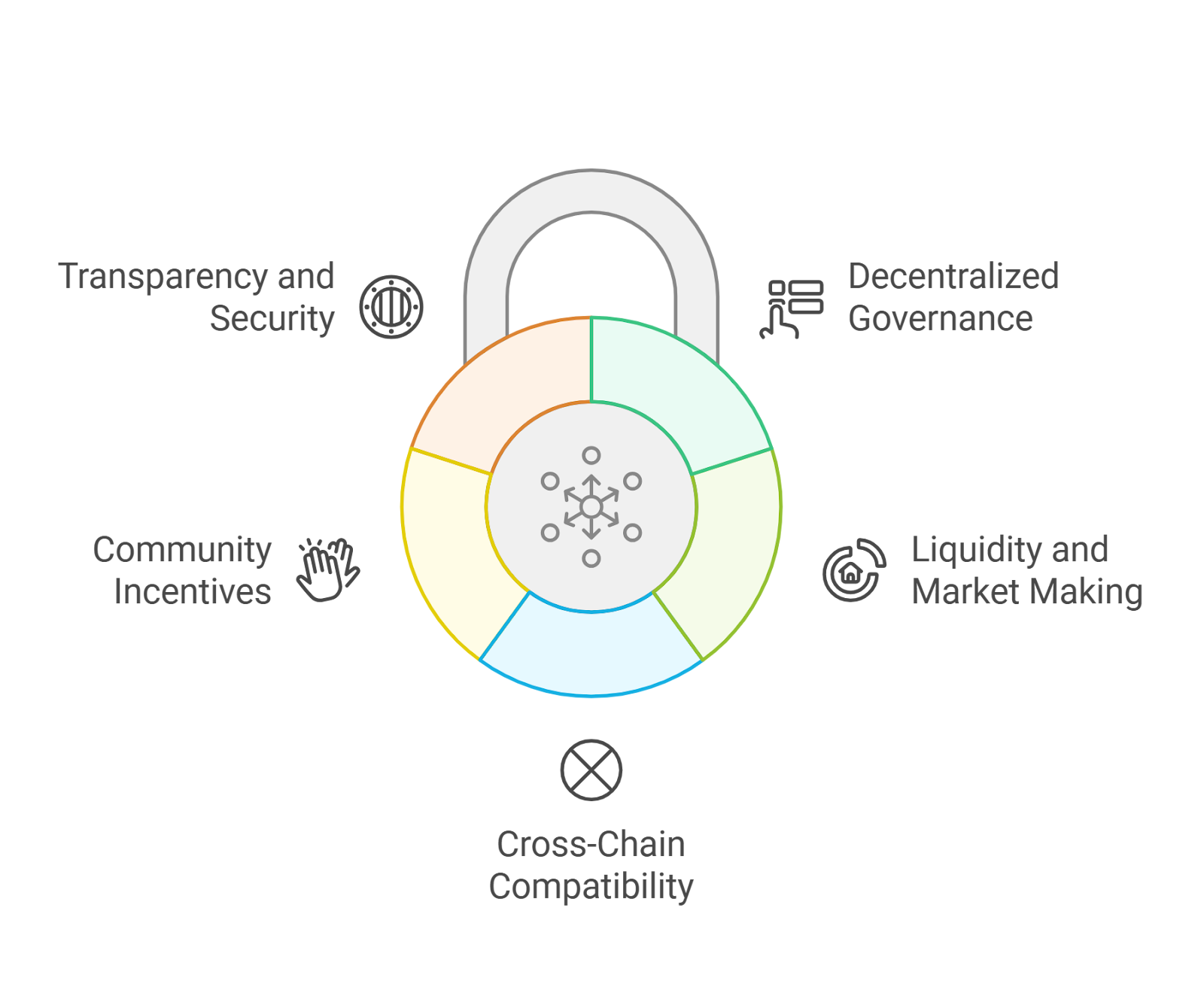
- 4. NFT Access Controls: NFTs provide privacy-preserving authentication for DAO membership and airdrop access. (arXiv)

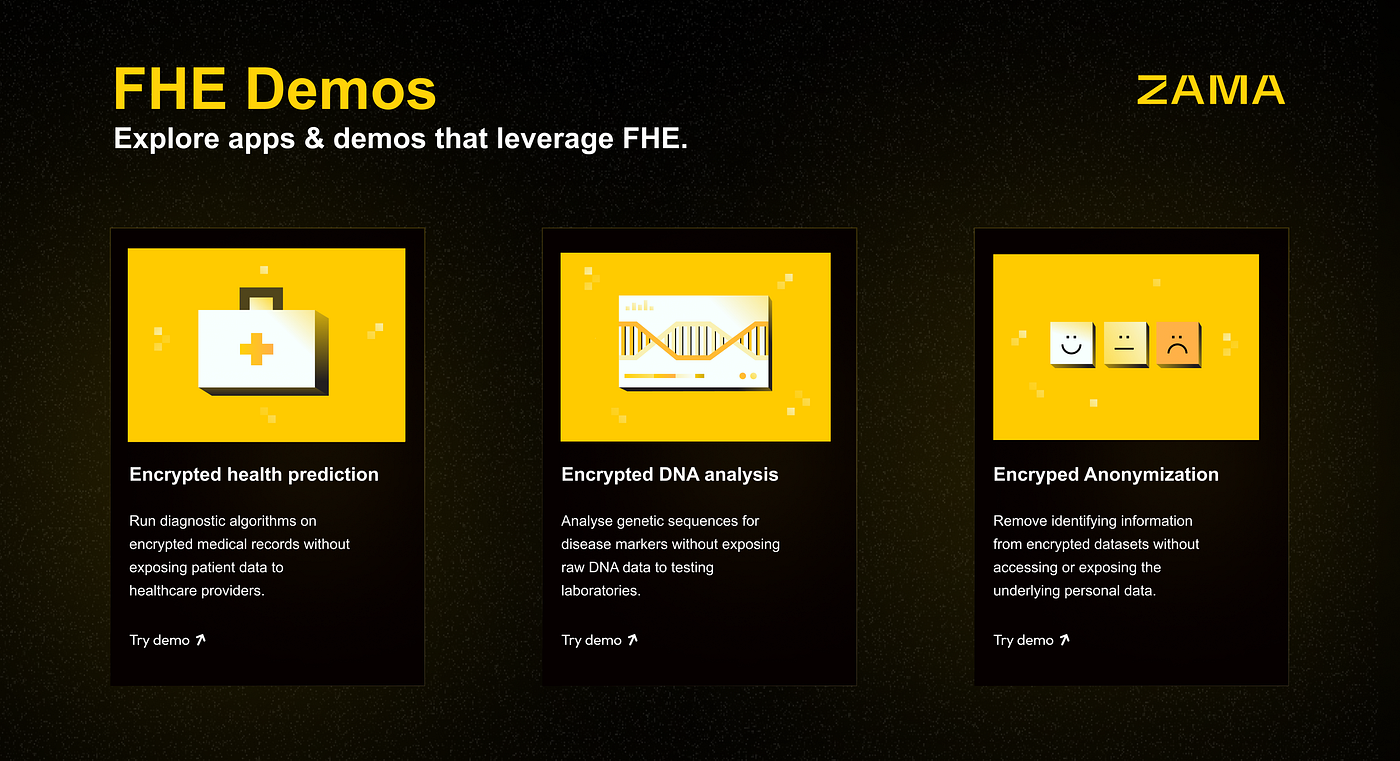
- 5. Homomorphic Encryption for Tallies: Encrypt vote tallies with FHE (e.g., Zama) to compute results privately while ensuring accuracy. (Source)
Implementing these requires thoughtful architecture. Start with token creation tied to provable contributions, distributed via shielded pools. Governance then flows through anonymous signals, preventing collusion. This isn't mere tech stacking; it's a deliberate process yielding resilient communities.
Building Limited Membership for Enduring Equity
Private blockchain organizations thrive on curated access. Unlike open DAOs, limited variants enforce caps on membership, often via soulbound tokens or quadratic funding proofs. This curbs whale dominance, promoting broader participation among committed users.
Governance NFTs further refine control, granting tiered privileges without on-chain footprints. A privacy-preserving DAO model using such NFTs, as explored in recent research, authenticates members cryptographically. Airdrops then allocate proportionally to verified engagement, sidestepping public ledgers' glare.
Yet equity endures only through rigorous verification. Contributions must map to verifiable signals, like time-locked commitments or zero-knowledge attestations of work performed. This framework not only deters opportunists but cultivates a culture of mutual trust, essential for sustained collaboration in private blockchain organizations.
Step-by-Step Implementation for Privacy-Secured Airdrops
Transitioning theory to practice demands a structured approach. Founders must prioritize modularity, selecting interoperable privacy primitives that scale with membership growth. Opinionated design choices, such as favoring fully homomorphic encryption over simpler ZK schemes for complex tallies, can differentiate resilient DAOs from fragile ones.
Privacy-Preserving Airdrops: Secure Fair Sharing in Limited Private DAOs
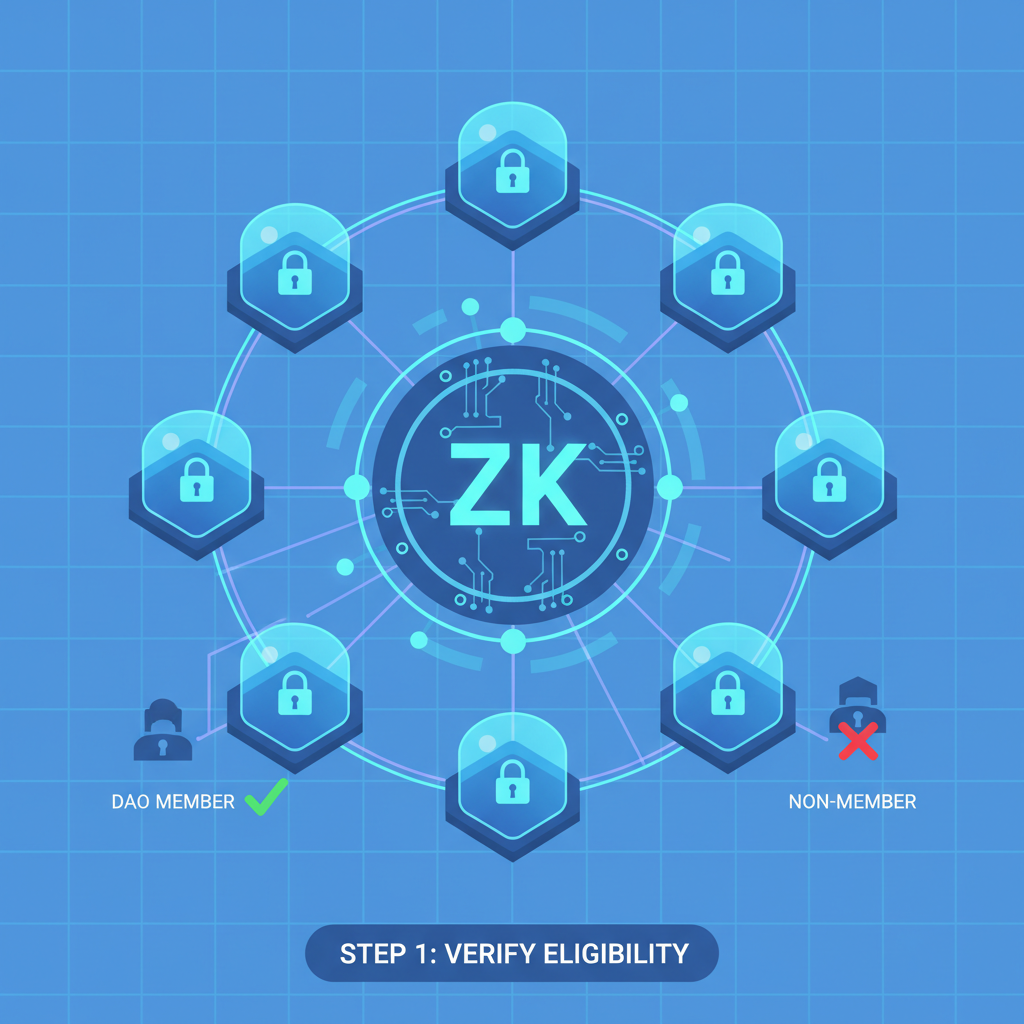
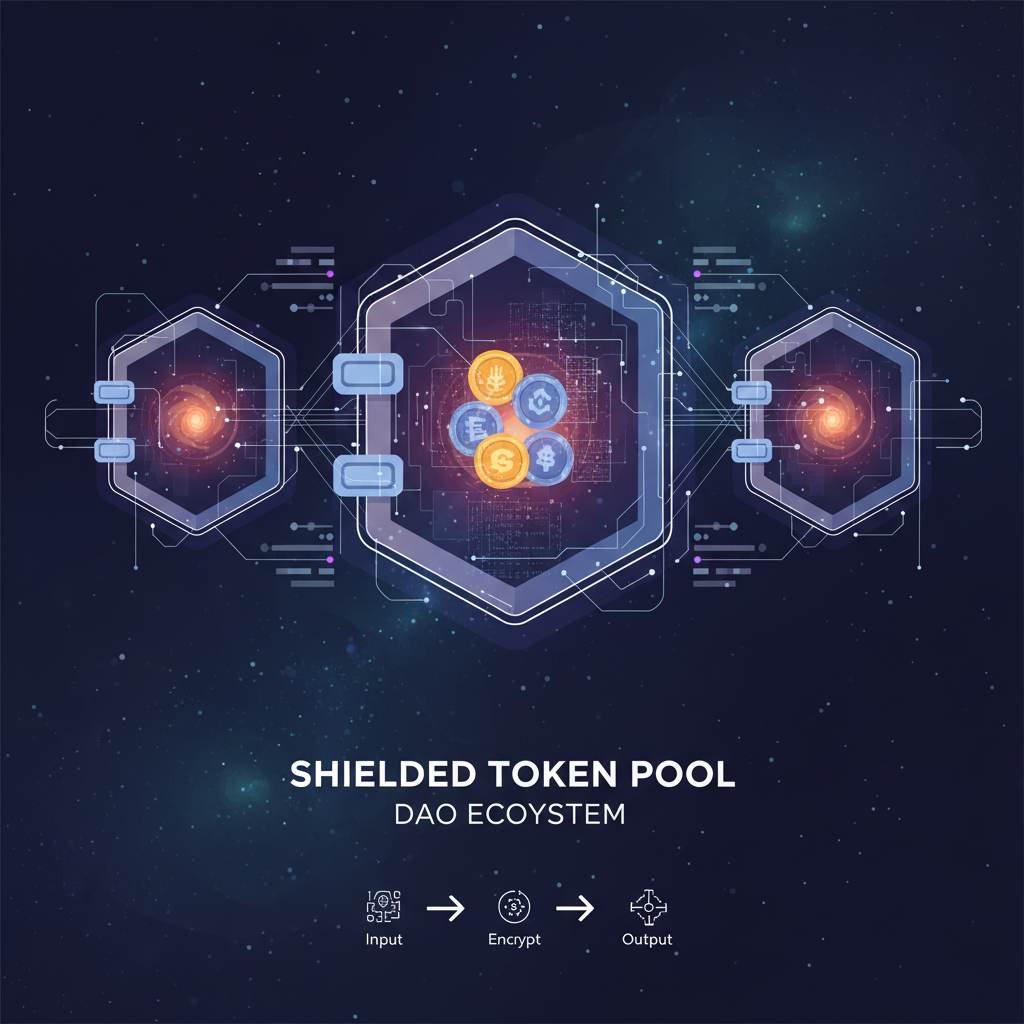
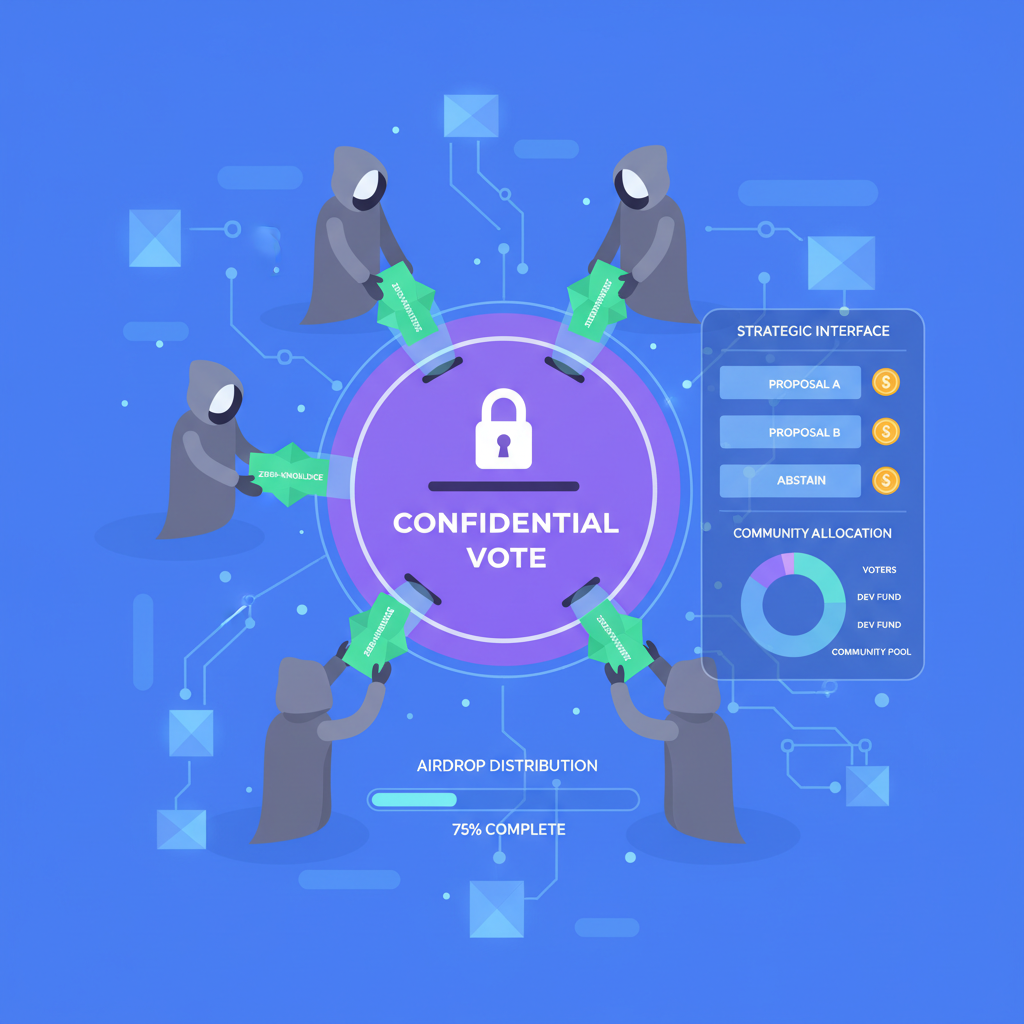
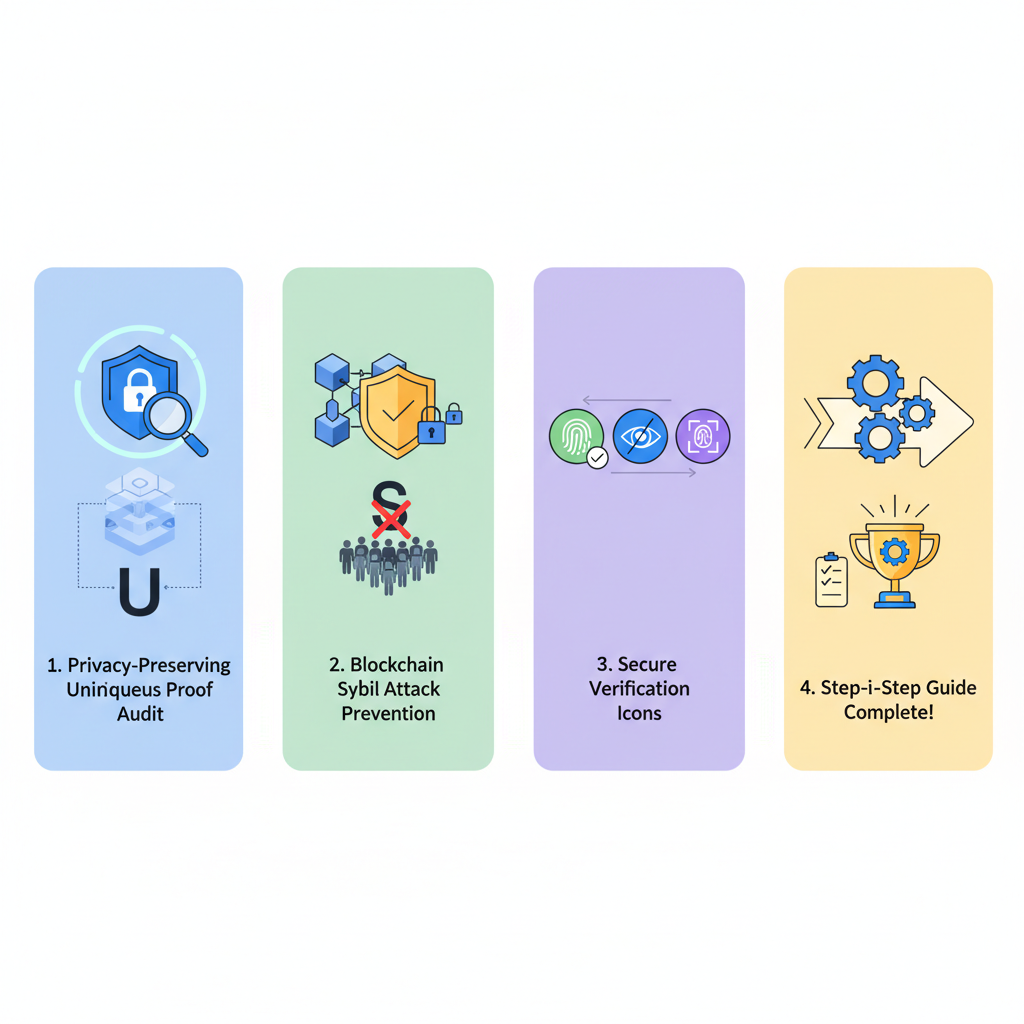

These steps, when executed patiently, embed fairness at the protocol level. I've seen too many DAOs falter from hasty launches; methodical rollout, including testnets for delegation simulations, pays dividends in adoption loyalty.
Challenges persist, of course. Computational overhead from privacy tech can strain resources, particularly on resource-constrained chains. Strategic layering, starting with L2 solutions like Aztec Network's ZK rollups, alleviates this. Tax wrappers via DAO LLCs add another layer, treating airdrops as capital events rather than immediate income, a nuance often overlooked by purists.
Real-World Applications and Strategic Insights
Privacy-focused projects illuminate the path forward. Namada's multi-chain privacy layer shields airdrops across ecosystems, enabling seamless, confidential flows. Penumbra's Cosmos-native private staking rewards loyal stakers without exposing positions to front-runners. These aren't outliers; they're blueprints for DAO airdrop distribution privacy.
Consider retroactive airdrops in governance contexts. Empirical research underscores their efficacy in aligning incentives, yet public execution invites exploitation. Limited private DAOs invert this: by curating membership through soulbound credentials, they reward depth over breadth. My view? This shift favors patient builders, those who invest in process over viral hype.
Benefits of Private DAOs for Airdrops
- Reduced Sybil risks via privacy-preserving uniqueness proofs verify participant uniqueness without revealing identities, ensuring fair airdrop distribution. (Source)
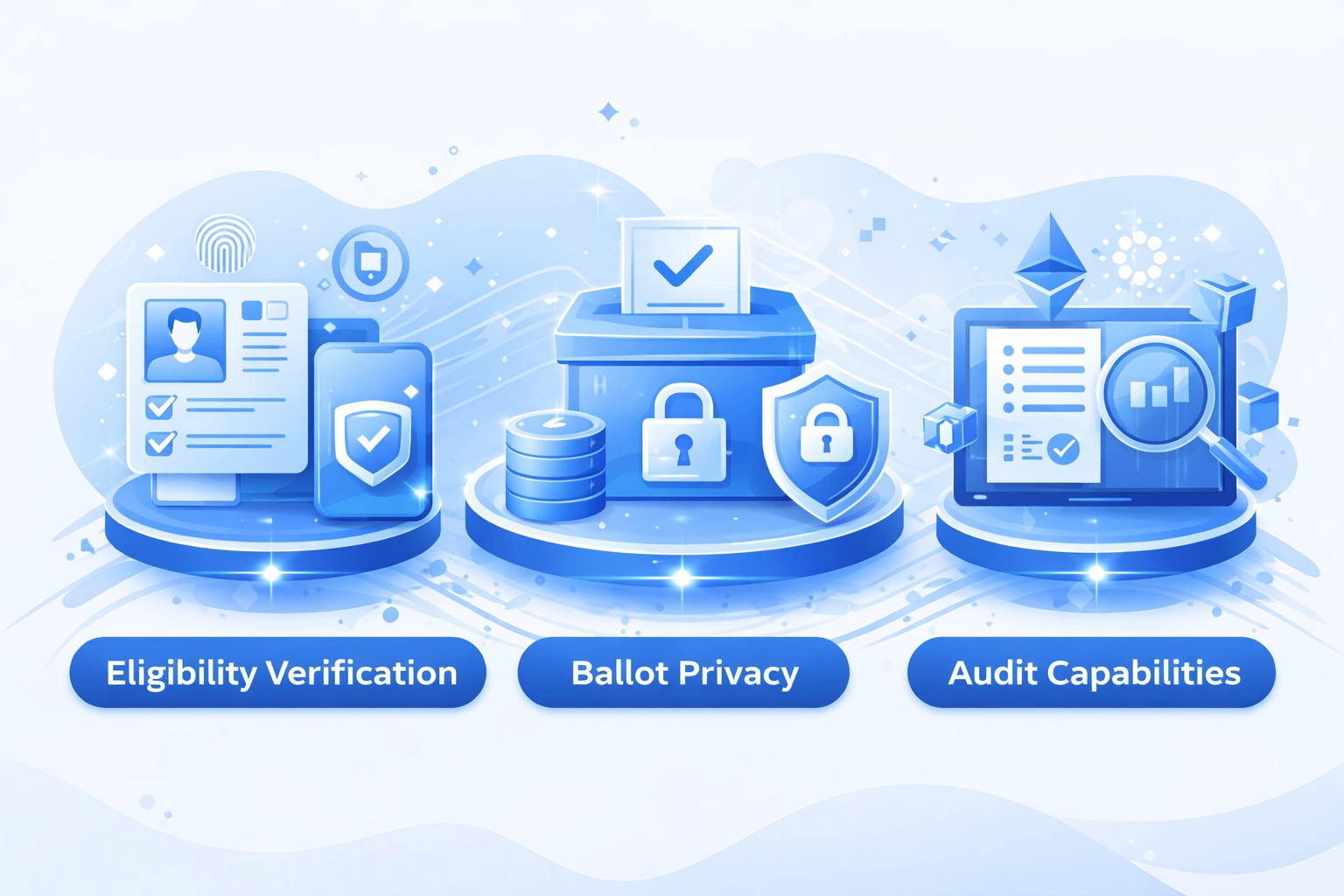
- Confidential voting with zero-knowledge proofs (ZKPs) and homomorphic encryption prevents collusion by keeping votes private yet verifiable. (Source)

- Tiered NFT access enables scalable governance through NFT-based authentication for role-based privacy controls in DAOs. (Related Kite protocol)
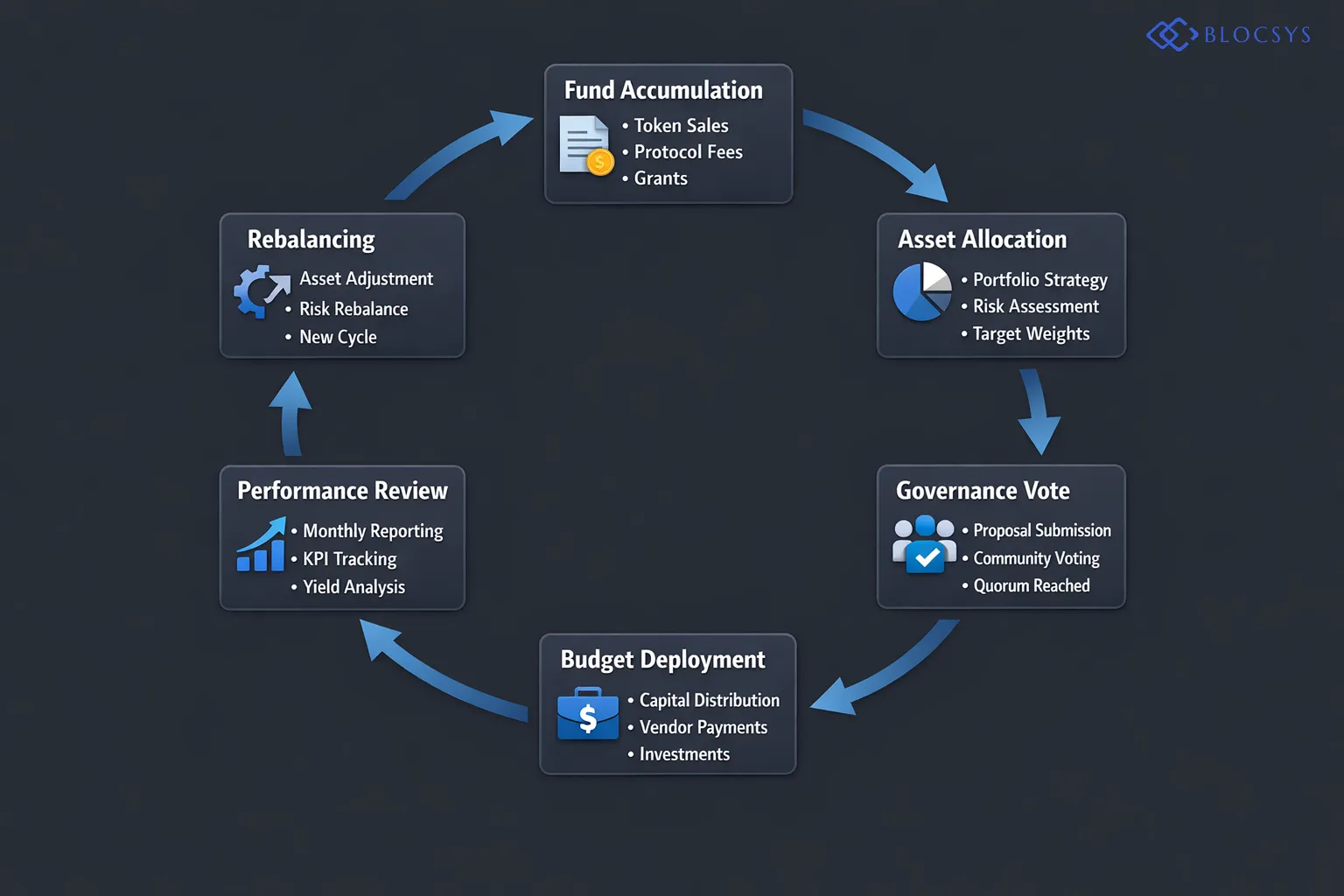
- Tax-efficient wrappers like DAO LLCs optimize airdrop tax treatment, distinguishing income from capital gains to protect recipients. (Coincub guide)

- Long-term alignment incentivizes holding via privacy-focused airdrops in projects like Penumbra and Namada, boosting token value. (Source)
Strategic founders layer these with delegation protocols like Kite, allowing fluid power shifts without traceability. Revocation mechanisms ensure accountability, a subtle yet powerful check against entrenched interests.
Future-Proofing Confidential Governance
Looking ahead, 2026 heralds fuller integration of fully homomorphic encryption in DAOs, promising computations on encrypted data for ultra-secure tallies. Projects like Zama pioneer this, potentially unlocking airdrops that compute allocations privately across vast datasets.
For founders eyeing secure DAO membership, the imperative is clear: embed privacy from genesis. Curate entry ruthlessly, verify relentlessly, distribute judiciously. This isn't constriction; it's refinement, forging communities where prosperity compounds through shared secrecy and verified merit.
Ultimately, limited private DAOs redefine equity in decentralized realms. By shielding the machinery of reward, they empower genuine stewards, ensuring airdrops fuel missions rather than machinations. In a space rife with extraction, such deliberate privacy stands as both shield and signal of enduring intent.




No comments yet. Be the first to share your thoughts!