
In the evolving landscape of decentralized autonomous organizations, customizable DAO privacy has become a cornerstone for fostering trust and equitable participation. Imagine a governance process where votes remain hidden until the final tally, shielding participants from coercion or influence, or treasury details that stay confidential yet verifiable. This isn't a distant dream; advancements in time-based DAO vote confidentiality and DAO investment data privacy are making it reality, empowering DAOs to tailor secrecy to their unique needs.
Traditional DAO voting often exposes choices on-chain, inviting vote-shaming, whale manipulation, or external pressures. Recent innovations flip this script. Projects like NounsDAO's private voting proposal, backed by Aztec Network, champion anonymity and vote confidentiality, ensuring each participant stays hidden. Similarly, the State of Private Voting 2026 report from Privacy Stewards of Ethereum highlights timelock encryption, where ballots encrypted with timelock. zone's public key reveal contents only post-designated time. This confidential DAO governance approach prevents premature leaks, preserving the integrity of democratic processes.
Threshold Encryption: Votes Safe Until Tally Time
At the heart of time-based DAO vote confidentiality lies threshold encryption, as seen in Shutter's Shielded Voting. Votes encrypt during the polling period, decrypting collectively only after closure. This mechanism, detailed in Confidential Daos resources, thwarts manipulation by concealing individual choices until outcomes solidify. No single party holds decryption keys; a threshold of participants must collaborate post-vote, distributing trust and enhancing security.
Consider the implications for high-stakes DAOs. In investment-focused groups, where proposals sway millions, exposing votes mid-process could sway undecided members or invite off-chain lobbying. Threshold encryption neutralizes this, aligning with COTI's "Privacy-on-Demand" philosophy, which lets builders customize privacy per regulatory or operational demands.
Key Tools for Time-Based DAO Vote Secrecy
- Timelock Encryption: Uses schemes like timelock.zone public keys to encrypt ballots, decryptable only after a designated time, ensuring vote secrecy until tallying. (Source)
- Threshold Encryption (Shutter): Shutter's Shielded Voting encrypts individual votes during the period, decrypting post-tally via threshold keys to prevent manipulation. (Source)

- ZKPs via Semaphore: Enables anonymous signaling; voters prove eligibility and submit choices without revealing identity, maintaining unlinkability. (Source)
Zero-Knowledge Proofs: Verifiable Anonymity Without Revelation
Complementing time-locks, zero-knowledge proofs (ZKPs) via Semaphore enable voters to prove eligibility and cast ballots without disclosing identities or selections. As explored in Aragon ZK Research's Nouns Private Voting sprint, these proofs pair with time-locked cryptography (TLE), ensuring ciphertexts decrypt only at predetermined moments. Voters signal participation without traces, yielding publicly verifiable tallies minus personal footprints.
This blend addresses core DAO pain points. Quadratic voting schemes, like QV-net's decentralized self-tallying from ACM research, gain practicality with privacy layers, reporting minimal overhead in real-world settings. Oasis Protocol's Privacy Layer (OPL) on Sapphire further exemplifies this, enabling secret ballots that eliminate governance bias. For DAO founders, these tools mean cryptographic DAO privacy tools that scale, from small communities to billion-dollar treasuries.
Safeguarding Investment Data Through Confidential Balances
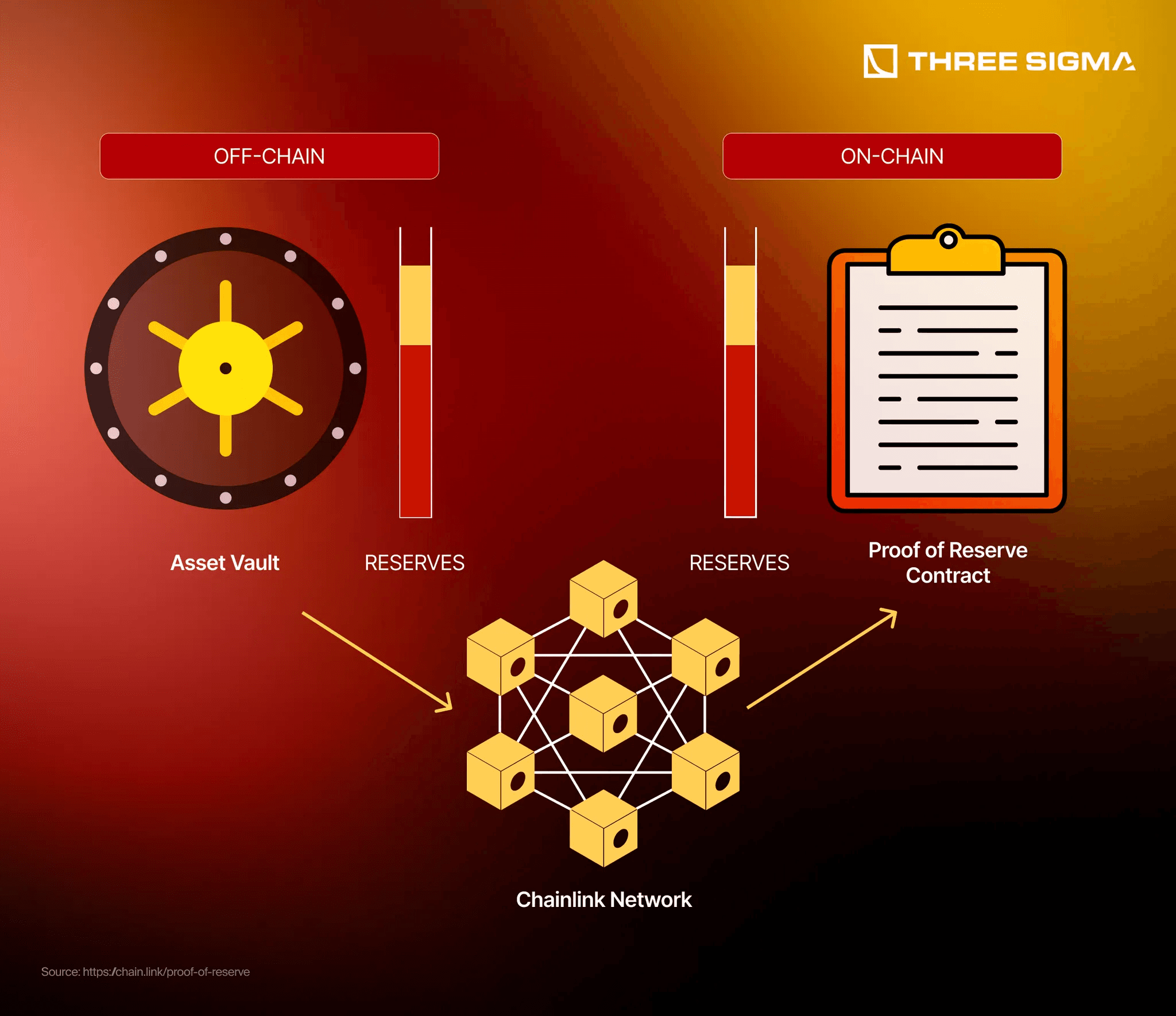
Shifting from votes to vaults, DAO investment data privacy demands equal ingenuity. Homomorphic encryption allows computations on encrypted data, keeping treasury holdings and member balances obscured yet auditable. DAOs process yields, allocations, or risk assessments without exposing raw figures, vital amid whale influence concerns flagged by Cornell researchers.
Trusted Execution Environments (TEEs), as in Oasis Network, process sensitive data in hardware enclaves, shielding votes and finances alike. This setup verifies integrity sans raw exposure, countering on-chain analysis that predicts behaviors. For portfolio strategists like myself, managing DAO treasuries, these controls enable sustainable alpha without compromising member privacy. Read more on preventing vote manipulation in this governance deep-dive.
Yet, implementation requires nuance. Balancing privacy with transparency avoids overkill; controlled noise via B-Privacy, per recent arXiv papers, perturbs tallies subtly for plausible deniability without accuracy loss. As DAOs mature, selecting the right mix of time-based secrecy and data controls defines resilient governance.
Customizable privacy isn't just theoretical; it's deployable today through platforms like COTI and Oasis, where DAOs toggle between full secrecy for sensitive investment votes and partial reveals for routine matters. Take quadratic voting enhanced by QV-net: privacy layers ensure self-tallying without central points of failure, making it viable for DAOs handling real-world stakes.
Real-World Applications: Comparison of Key Cryptographic DAO Privacy Tools
| Privacy Tool | Use Case | Strengths | DAO Examples |
|---|---|---|---|
| Threshold Encryption (Shutter) | Vote Secrecy 🗳️ | Encrypts individual votes until tally complete; prevents coercion, manipulation & front-running. Time-lock encryption (timelock.zone) hides contents until designated time. Addresses Cornell whale findings by obscuring choices. | NounsDAO Private Voting (Aztec Network), Shutter Shielded Voting, Aragon ZK Research TLE |
| ZKPs (Semaphore) | Anonymity & Eligibility Proofs 👤 | Proves voter eligibility & vote validity without revealing identity or choice; ensures unlinkability, coercion resistance & verifiable outcomes (Burn Your Vote, QV-net). | Semaphore implementations, QV-net for quadratic voting in DAOs, Privacy Stewards of Ethereum |
| TEEs (Oasis) | Treasury Yields & DeFi Positions 💰 | Confidential computation in secure enclaves; attested correctness, eliminates governance bias & protects investment data (Oasis Privacy Layer). Ideal for investment-heavy DAOs. | Oasis Network for secret ballots & DeFi positions, Sapphire confidential access |
| Homomorphic Encryption | Portfolio Performance & Confidential Balances 📊 | Computations on encrypted data without exposure; B-Privacy noise adds controlled noise for privacy-accuracy balance. Protects against whale influence (Cornell research) in treasury strategies. | Confidential DAOs for encrypted balances & treasury holdings, COTI Privacy-on-Demand |
Future-Proofing: Layering Tools for Custom Governance
Layering these technologies crafts truly customizable DAO privacy. Start with Semaphore for voter anonymity, layer threshold encryption for time-bound reveals, and wrap with TEEs for data ops. COTI's modular approach exemplifies this, adapting to regs like MiCA while scaling for global communities. NounsDAO's sprint proved feasibility; open-source repos now let builders fork and tweak.
Privacy Stewards' 2026 outlook predicts hybrid models dominating: time-locked votes for proposals, confidential balances for treasuries, all verifiable on-chain. This evolution counters centralization risks, empowering small holders and fostering genuine decentralization. For founders, the choice boils down to threat models, coercion-heavy? Prioritize ZKPs. Data-sensitive? Lean homomorphic.
Equitable governance demands these controls. Without them, DAOs risk becoming plutocracies masked as democracies. By embracing cryptographic DAO privacy tools, communities not only protect members but unlock bolder strategies, from private AI inferences on Midnight to shielded quadratic schemes. Explore granular controls in our guide to revelation management.
DAO builders stand at a pivotal juncture. Integrating these privacy levers doesn't complicate; it fortifies. As one steering multi-asset treasuries, I see sustainable growth hinging on such innovations, secure, adaptable, and member-centric. The path forward lies in deliberate customization, turning vulnerabilities into strengths for enduring decentralized success.




No comments yet. Be the first to share your thoughts!