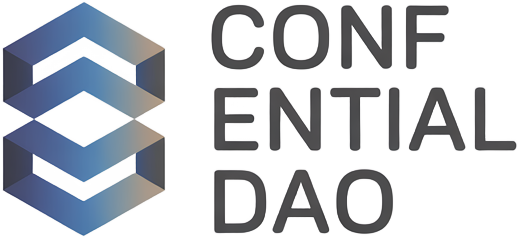


Imagine casting your vote in a DAO without anyone peeking over your shoulder or gaming the system ahead of time. In the wild world of confidential DAOs, ZK-encrypted voting is flipping the script on private governance, slamming the door on front-running and coercion. We’re talking votes that stay hidden until the final tally drops, all while proving everything’s legit on-chain. As DAOs scale up, this tech isn’t just nice-to-have; it’s your secret weapon for fair play.

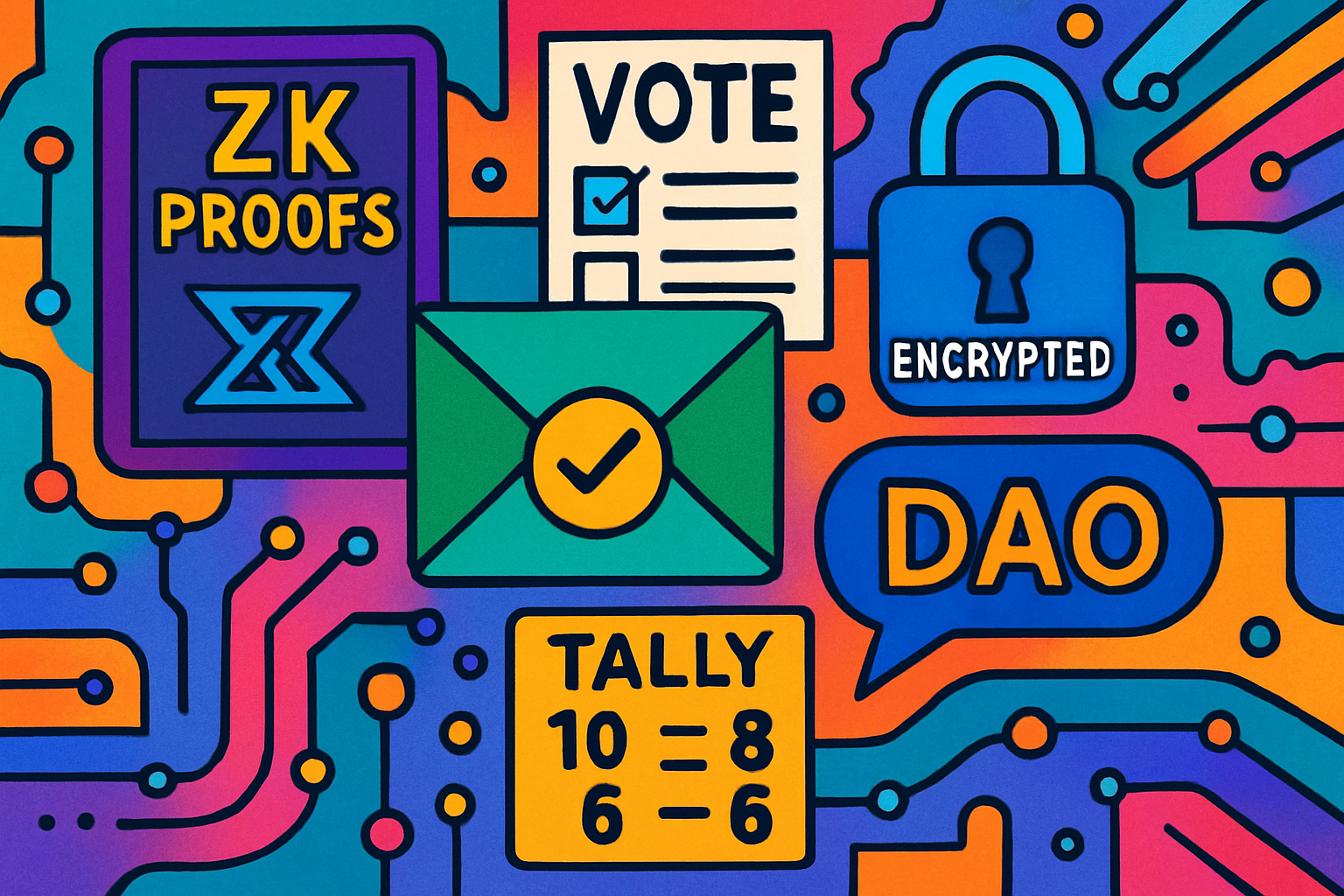
Public blockchains promised transparency, but in governance, that openness bites back hard. Whale wallets get doxxed, votes sway under social pressure, and savvy traders front-run proposals by spotting pending transactions in the mempool. No wonder savvy founders are pivoting to ZK encrypted voting DAOs. Projects like Zama are leading the charge with fully homomorphic encryption (FHE), letting smart contracts crunch numbers on encrypted data without ever decrypting it. It’s like voting in a soundproof booth that still verifies your ballot.
The Hidden Dangers Lurking in Transparent Voting
Let’s get real: traditional DAO voting is a front-runner’s paradise. Picture this: you submit a proposal to treasury-dump into a hot new protocol. Before it even hits the chain, bots scan the mempool, buy up tokens, vote yes, then dump post-approval. Or worse, coercers spot your vote and strong-arm you offline. These aren’t hypotheticals; they’re daily drama in private DAO governance.
Public DAO Voting Pitfalls
-
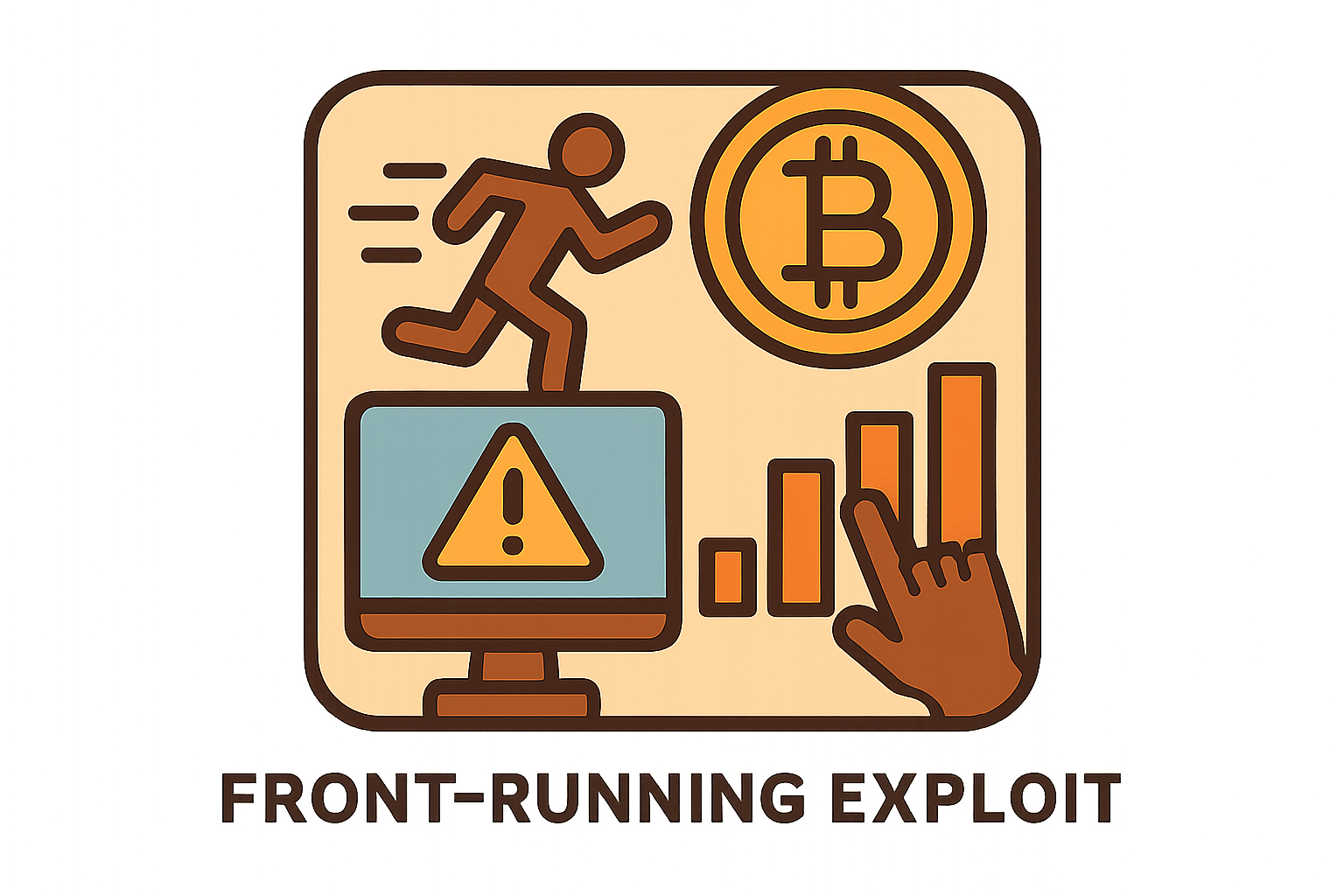
Front-Running Exploits: Malicious actors snoop pending votes, jumping in to sway results before yours lands—just like MEV bots in DeFi!
-
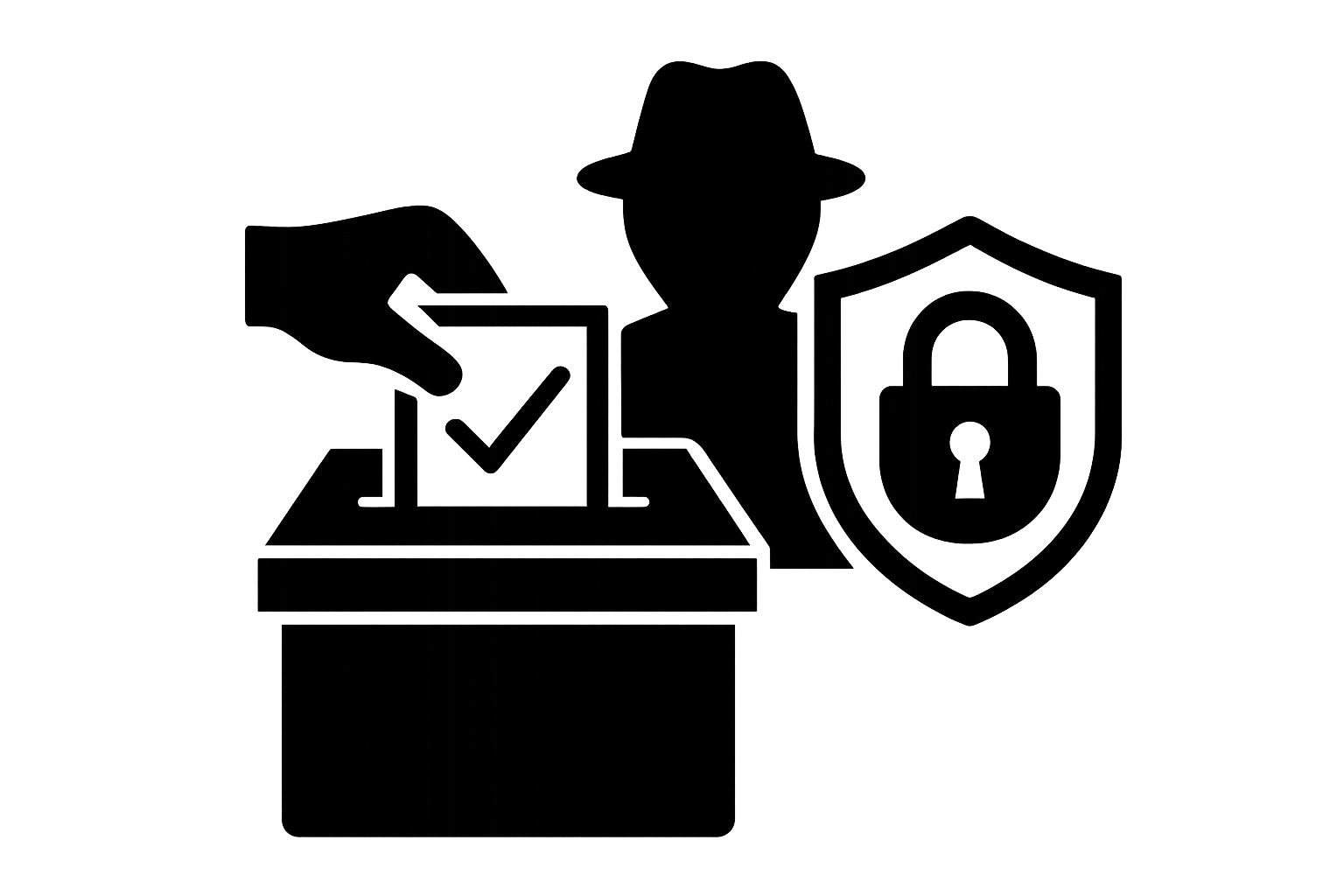
Voter Coercion Risks: Public votes expose your choice, letting bosses or hackers pressure you into flipping—bye-bye true anonymity!
-

Whale Influence Exposure: Everyone sees mega-holders’ massive stakes, enabling targeted manipulation or copycat voting that drowns out the little guy.
Enter zero-knowledge proofs (ZKPs). ZKPs let you prove your vote’s valid – right token balance, no double-dipping – without spilling the beans on how you voted. Zama’s litepaper nails it: ZK checks encrypted inputs are legit, keeping proofs lightweight. Pair that with FHE from Zama Protocol, and you’ve got composable confidential smart contracts on L1 or L2. Confidential DEXs already dodge front-running by hiding swap sizes; why not governance?
Zama and FHE: The Backbone of Bulletproof Voting
Zama isn’t messing around. Their protocol powers ZK proofs DAO privacy with end-to-end encryption, programmable confidentiality, and zero trust assumptions. DAOs run votes where token quantities and choices stay secret, revealing only the aggregate result. KuCoin spotlighted how this shields member votes completely. Ethereum Research echoes the hype: FHE computes on encrypted state for private governance, no decryption needed.

But it’s not vaporware. Zama enables on-chain identities that are composable and private, perfect for DAOs, corps, or even governments. As privacy coins face regulator heat, FHE steps up as the institutional-grade fix. MEXC Blog calls it the missing confidentiality layer for blockchains.
Shielded Systems Crushing Front-Running in Action
Fast-forward to 2025: DAOs are deploying these tools at scale. Lunarys built a full confidential DAO system with fhEVM, encrypting votes, power, and balances end-to-end. Verifiable outcomes without leaks – pure gold for prevent front-running DAOs. Shutter Network teamed with Snapshot for permanent shielded voting, blending ElGamal encryption and ZKPs. Votes stay private forever; results compute transparently post-poll.
FairBlock takes it further with identity-based encryption (IBE), locking transactions until finality. No mempool snooping means no front-running, period. These setups ensure adversaries can’t peek at vote content or tallies mid-process, killing manipulation at the source. For ZK encrypted voting DAOs, it’s game-changing: governance stays fair even as treasuries balloon into the millions.
Breaking Down the Tech Stack: From ZK to FHE
ZKPs shine for succinct proofs – you verify a vote’s validity without the vote itself. But FHE? That’s the powerhouse for aggregation. Zama’s fhEVM lets chains compute sums on ciphertexts, spitting out encrypted tallies that decrypt only at the end. No partial reveals, no front-running on whale swings. Combine them, and private DAO governance gets programmable privacy: set rules like ‘reveal if quorum hits 60%’ without trusting a soul.
Comparison of Confidential Voting Protocols
| Protocol | Encryption Tech | Anti-Front-Running Feature | Verifiability |
|---|---|---|---|
| Zama | FHE and ZK | Computes on encrypted votes, hides until final tally | ZK input validation and proofs for correct encryption |
| Lunarys | fhEVM (FHE) | End-to-end encryption of votes/power, no mempool leaks | On-chain proofs for verifiable outcomes |
| Shutter and Snapshot | ElGamal and ZK | Permanent shielding, post-poll reveal only | Threshold decryption with ZK proofs |
I’ve charted enough DAOs to know: transparency’s overrated when it invites wolves. These tools flip it – privacy empowers the little guy, whales can’t bully, and decisions reflect true consensus. Zama’s push into confidential DEXs proves the model; governance is next.
Real-World Wins: DAOs Going Confidential
Take Lunarys: their DAO system locks everything encrypted, from proposals to execution. No more ‘vote and dump’ schemes. Shutter’s Snapshot integration? Votes encrypted during the window, tallied blindly – front-runners left guessing. FairBlock’s IBE adds finality encryption, minimal gas hit. Per Ethereum Research, this scales to private governance without decrypting state. XT. com nails it: privacy sans decentralization loss.
ZK-Voting Wins for DAOs
-

Voter anonymity prevents coercion: Keep your vote secret with ZK proofs, like Shutter Network’s shielded voting on Snapshot – no pressure from knowing your stance!
-
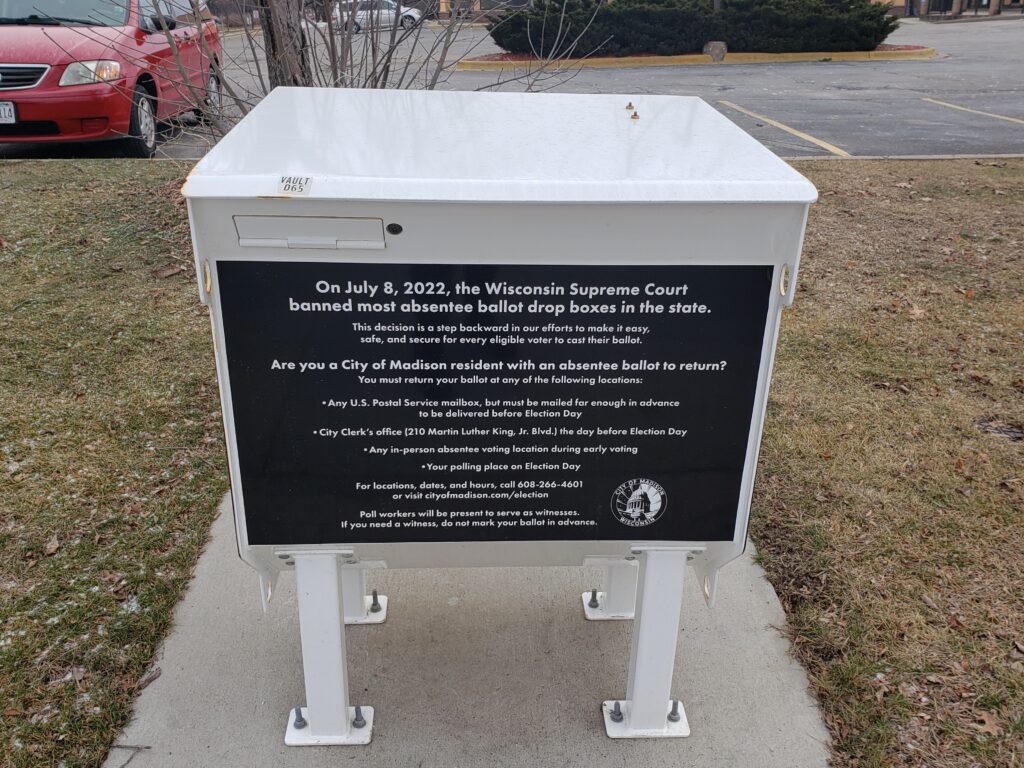
Encrypted tallies block front-running: Votes stay hidden until polls close, as in Lunarys’ confidential DAO systems using Zama’s fhEVM – fairness first!
-
Verifiable outcomes build trust: ZK ensures tallies are correct without revealing votes, boosting confidence in governance like Zama’s confidential voting.
-
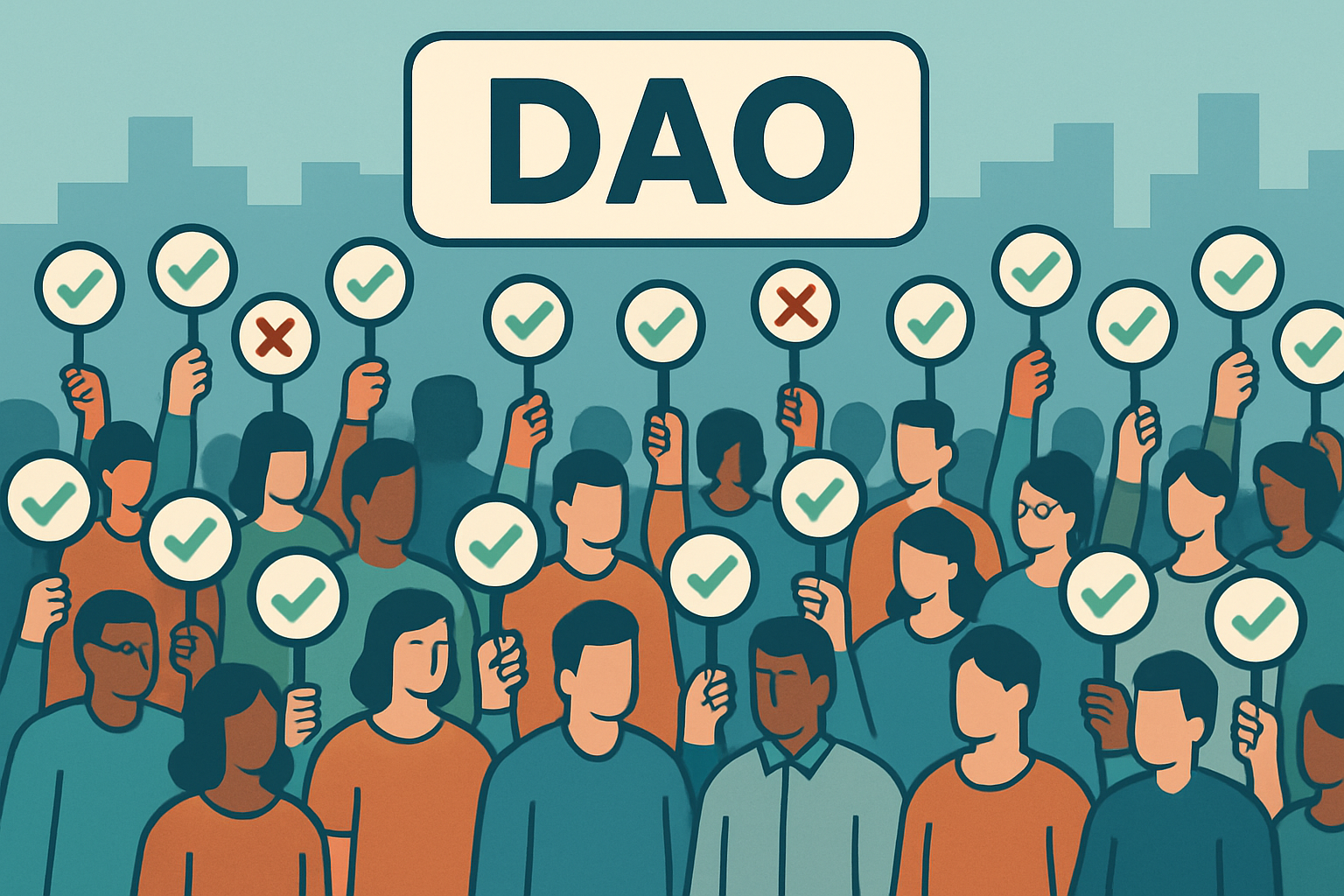
Scalable for large memberships: Handle massive DAOs efficiently with ZK’s lightweight proofs, perfect for growing communities without slowdowns.
-
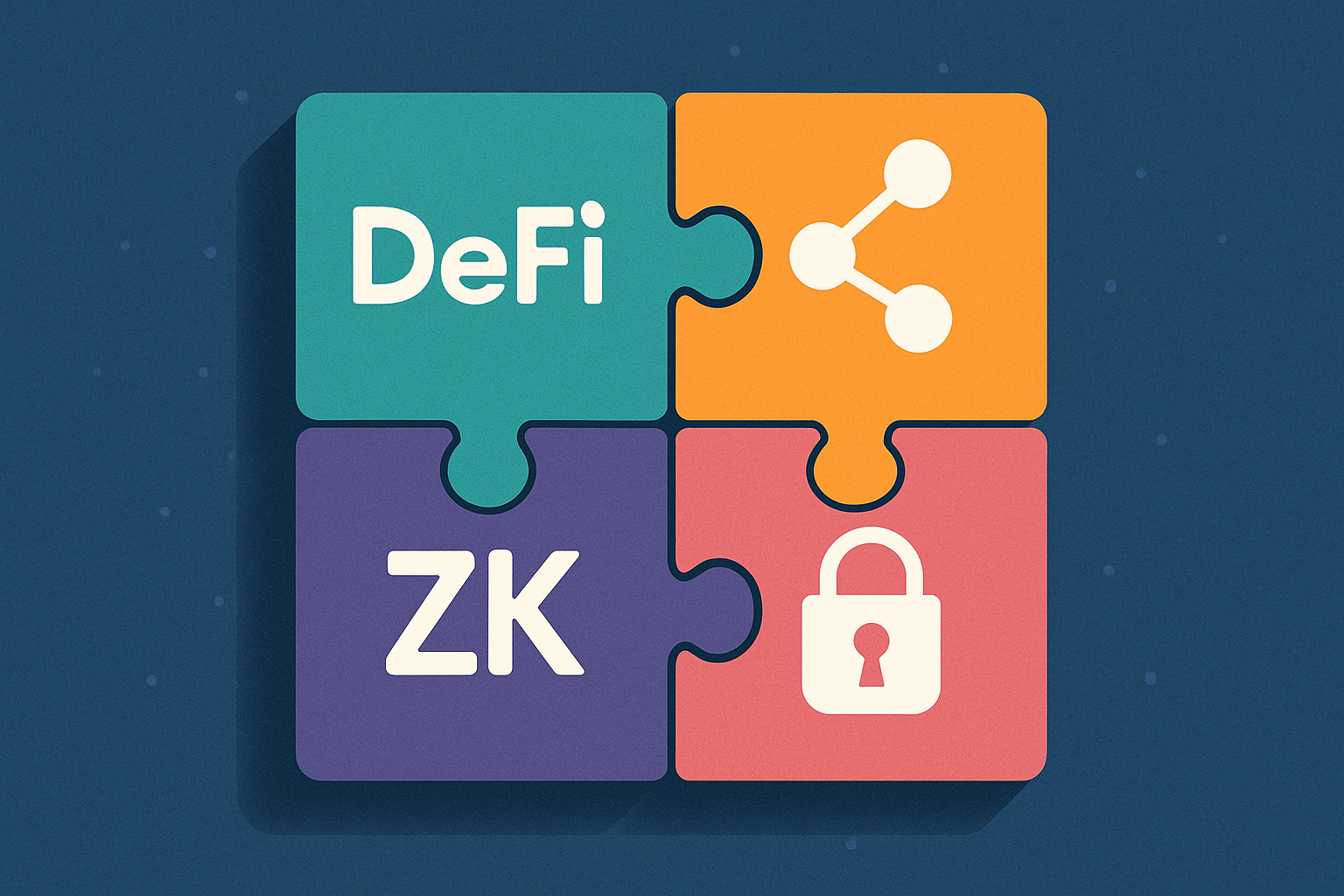
Composability with DeFi: Seamlessly integrate with lending, DEXs via Zama Protocol – private votes meet public DeFi primitives!
Regulators hammering privacy coins? Zama’s FHE dodges that, baked into compliant L1/L2s. MEXC Blog’s right – it’s institutional-grade. DAOs like HYPOWEB3DAO rave: unbiased decisions, no reveal-your-hand nonsense.
Implementing this isn’t rocket science, but it demands care. Start with Zama’s protocol for FHE contracts, layer ZK for proofs via their litepaper tricks. Audit your setup – one leak undoes it all. For deeper dives, check implementing zero-knowledge proofs for confidential voting in DAOs or how confidential voting protects privacy in DAO governance.
Picture your DAO: proposals drop encrypted, votes tally invisibly, execution triggers blindly. No coercion, no gaming, just pure signal. As 2025 heats up, prevent front-running DAOs with ZK proofs DAO privacy aren’t optional – they’re the edge. Decode the charts, protect your edge: confidential governance is here, and it’s unbreakable.
About the Author