
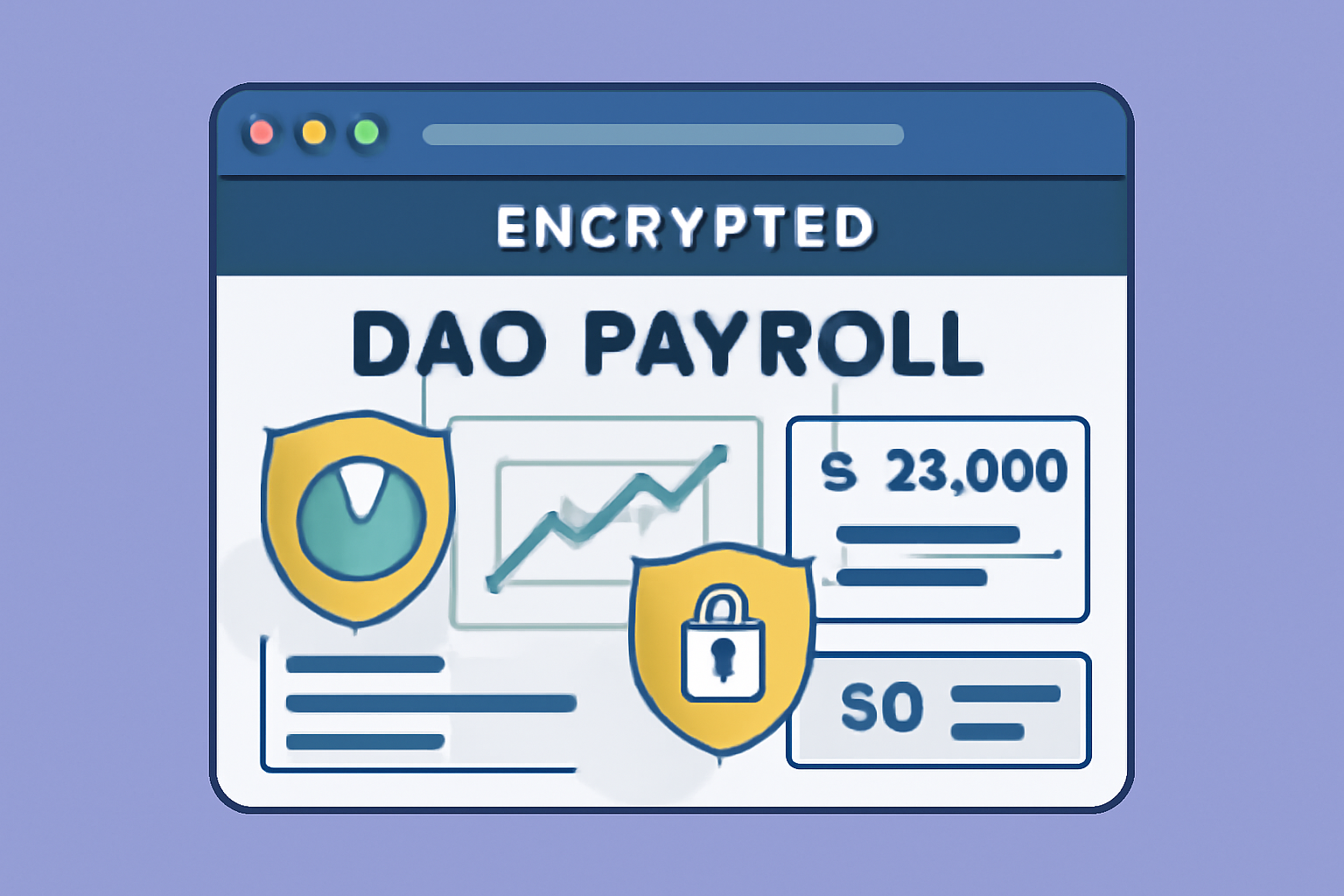
In the evolving landscape of decentralized governance, DAOs face a persistent challenge: compensating contributors securely without broadcasting sensitive financial details across public blockchains. Traditional on-chain payments expose wallet addresses, transaction amounts, and treasury balances to anyone with a block explorer, inviting risks from hackers, regulators, and competitors. Confidential DAO payroll emerges as the solution, leveraging privacy-preserving technologies to enable secure contributor compensation in DAOs while shielding wallets and treasuries from prying eyes.
The Imperative for Privacy in DAO Treasury Operations
Public blockchains like Ethereum prioritize transparency, a virtue for some applications but a liability for payroll and treasury management. When a DAO disburses funds, every recipient's wallet becomes a traceable identifier, potentially linking pseudonymous contributors to real-world identities through off-chain analysis. This exposure undermines the core promise of decentralization: autonomy without vulnerability. Recent advancements, such as those highlighted in discussions around the Sovereign Treasury architecture, underscore the shift toward programmable on-chain logic fused with privacy layers. Tools from Secret Network and Aztec Network now make DAO treasury privacy feasible, allowing transactions to remain opaque even as they execute reliably.
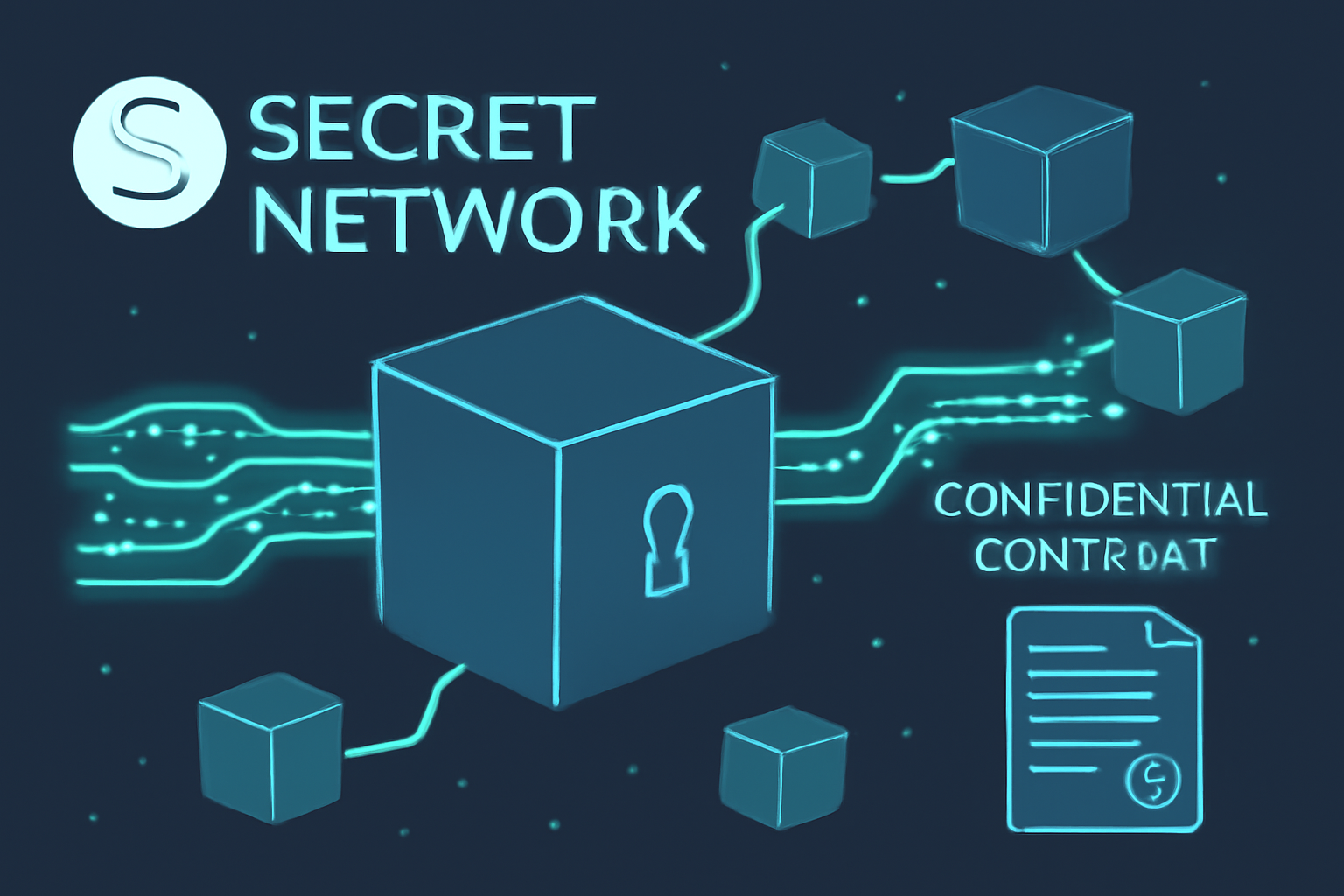
Consider Secret Network's confidential computing paradigm. It encrypts data at input, state, and output, ensuring nodes, developers, and users cannot access private elements. This is particularly potent for confidential DAO payroll, where payroll streams can process without revealing recipient details or payout sums. Yet, challenges persist; reports of compromised Trusted Execution Environments (TEEs) on Secret highlight the need for layered defenses, blending cryptographic primitives like elliptic-curve Diffie-Hellman key exchange with robust governance.
Aztec Network complements this by offering fully confidential DeFi primitives, including private treasury management for staking, lending, and swaps. These protocols reduce not just visibility but also costs, making private DAO payments accessible for smaller DAOs. Ethereum's growing privacy toolkit, including homomorphic encryption for confidential tokens, further bridges the gap, tailored for applications like payroll where public ledgers fall short.
Building Blocks of Confidential Payroll Infrastructure
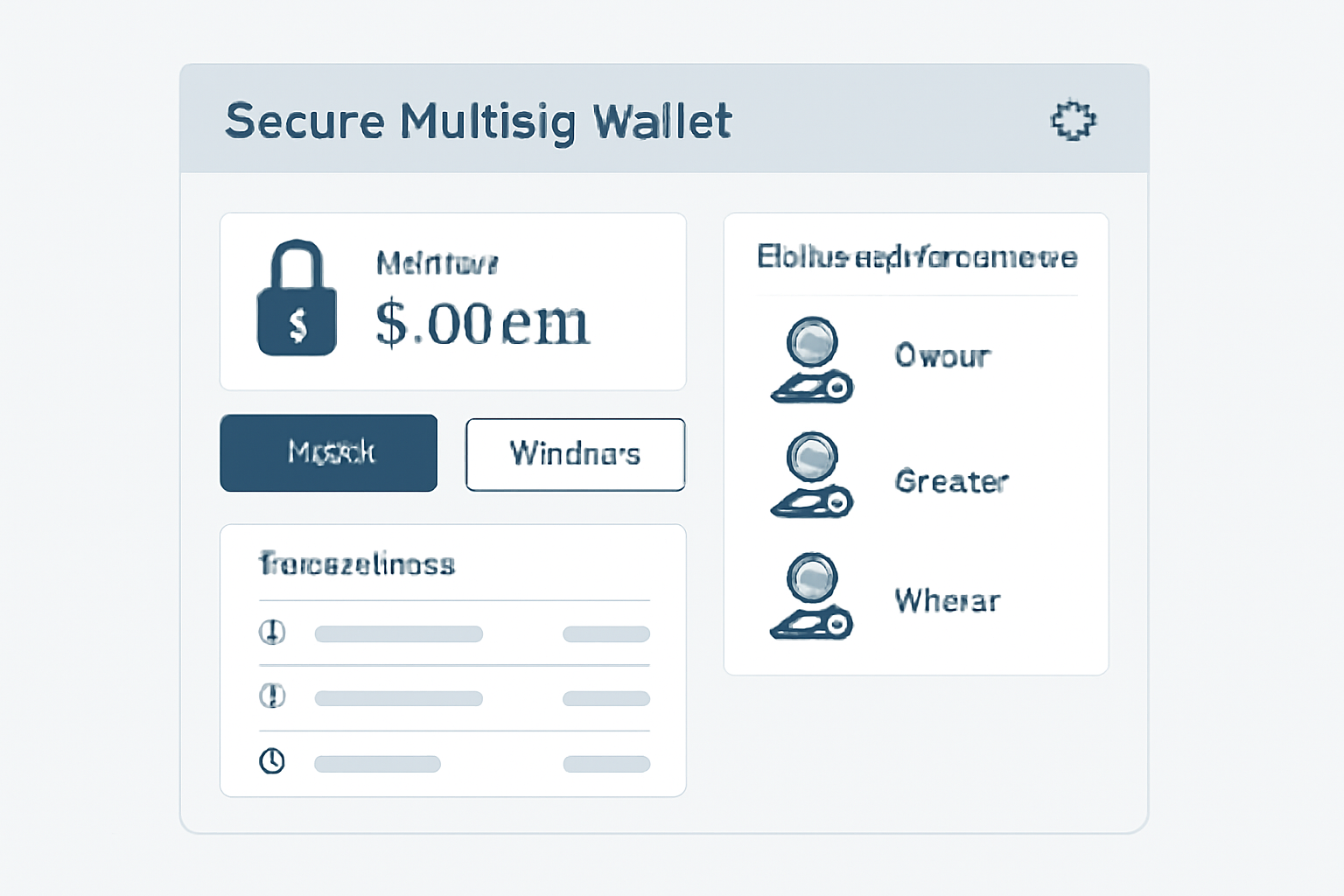
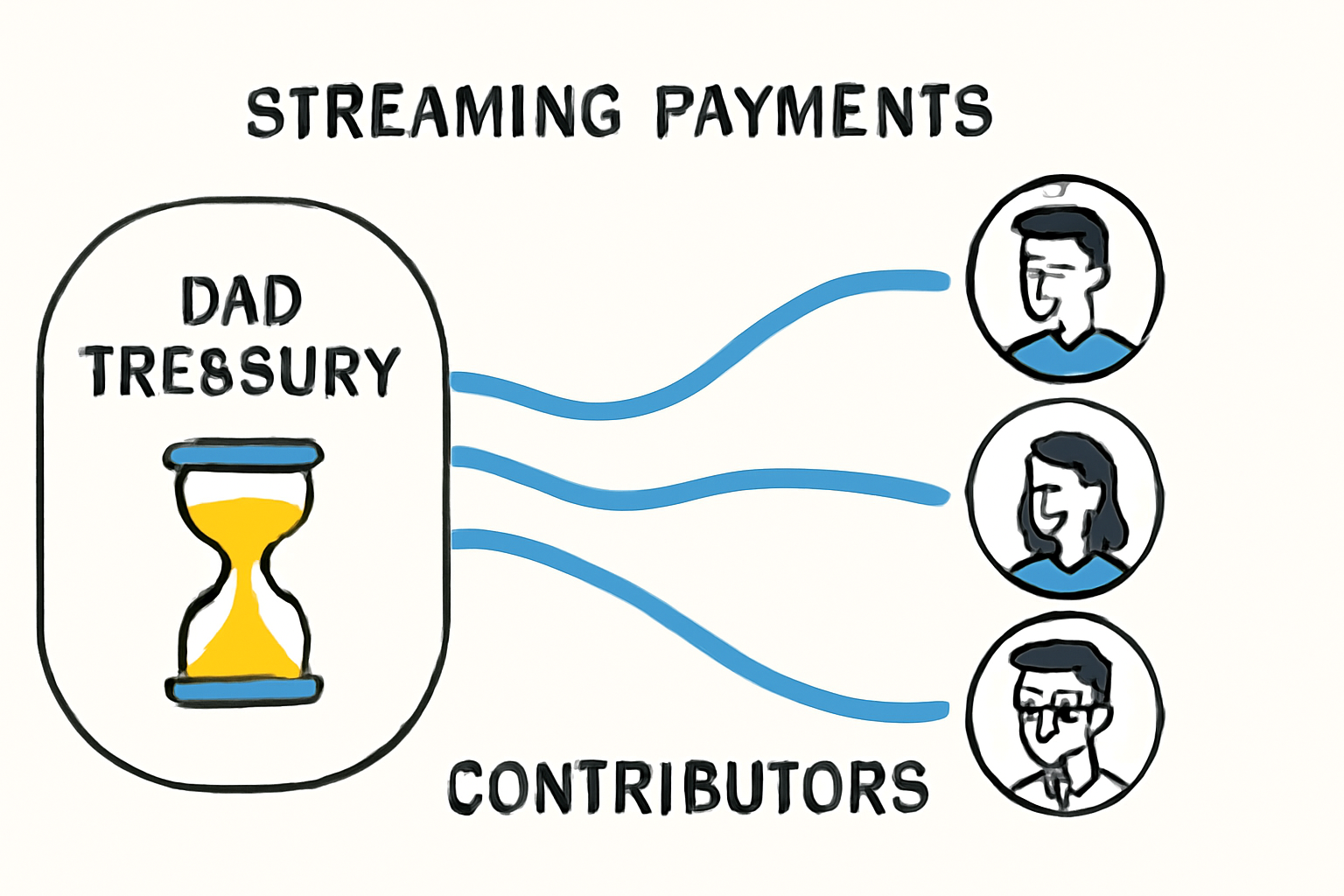
At the foundation lies stablecoin integration, as DAOs increasingly adopt USDC and DAI for payroll to mirror fiat stability with blockchain speed. Platforms like Sablier enable automated on-chain streams from multisig treasuries, distributing payments globally without banking intermediaries. Multisig wallets, requiring multiple approvals, form the first line of defense, compartmentalizing risk through role-based access controls (RBAC). Hardware wallets for signers add isolation against remote exploits, a best practice for on-chain treasury managers.
Yet, true confidentiality demands more than access controls; it requires encryption that obscures the transaction graph itself. Secret Network excels here, permitting builders to hide data portions selectively, distinct from mere transaction shielding. This methodical approach aligns operational needs with strategic security, balancing contributor payouts against treasury integrity.
Leveraging Secret Network for DAO Payroll Excellence
Secret Network stands out in the privacy stack, dubbed Web3's confidential computing layer. Developers craft decentralized apps where encrypted data fuels smart contracts without decryption exposure. For Secret Network DAO payroll, this means viewing balances privately, executing payments invisibly, and auditing compliantly without full disclosure. Lisa Loud's insights reveal how it empowers selective data hiding, crucial for contributor anonymity.
Compliance weaves through this fabric too. While DAOs innovate, payment challenges demand navigation of regulatory waters. Riseworks notes unique hurdles, met by private transactions that log proofs without details. Request Finance's treasury structuring advice integrates seamlessly, advocating balanced operations where privacy fortifies financial security.
Onchain Treasury's guidance elevates this: secure stablecoin vaults via multisig and governance, automating payroll sans CFO overhead. Toku's stablecoin payroll systems promise instant global compensation, paired with these privacy tools for unexposed operations. The result? DAOs pay contributors methodically, preserving value where transparency meets privacy.
Implementing this infrastructure requires a deliberate sequence, starting with treasury segmentation. DAOs should isolate payroll funds in dedicated vaults, using stablecoins to dampen volatility while multisig thresholds - say, 3-of-5 signers - enforce consensus. Sablier's streaming then automates vesting, dripping payments over time without lump-sum exposures. Layer in Secret Network for encryption: transactions invoke viewing keys, decrypting only for authorized eyes, preserving the graph's opacity.
Step-by-Step Deployment for Secure Contributor Compensation
Master Confidential DAO Payroll: Secure Step-by-Step Setup
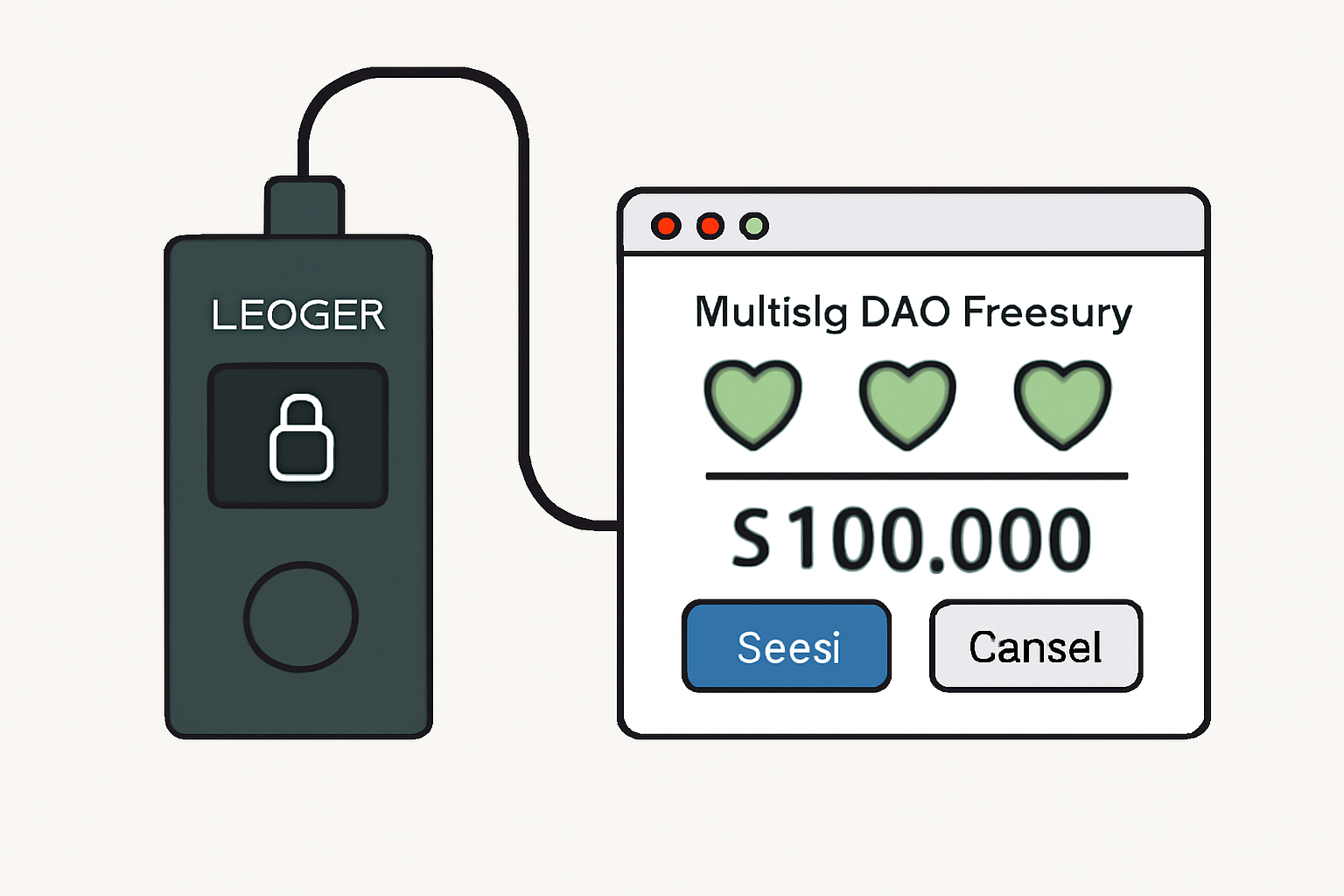
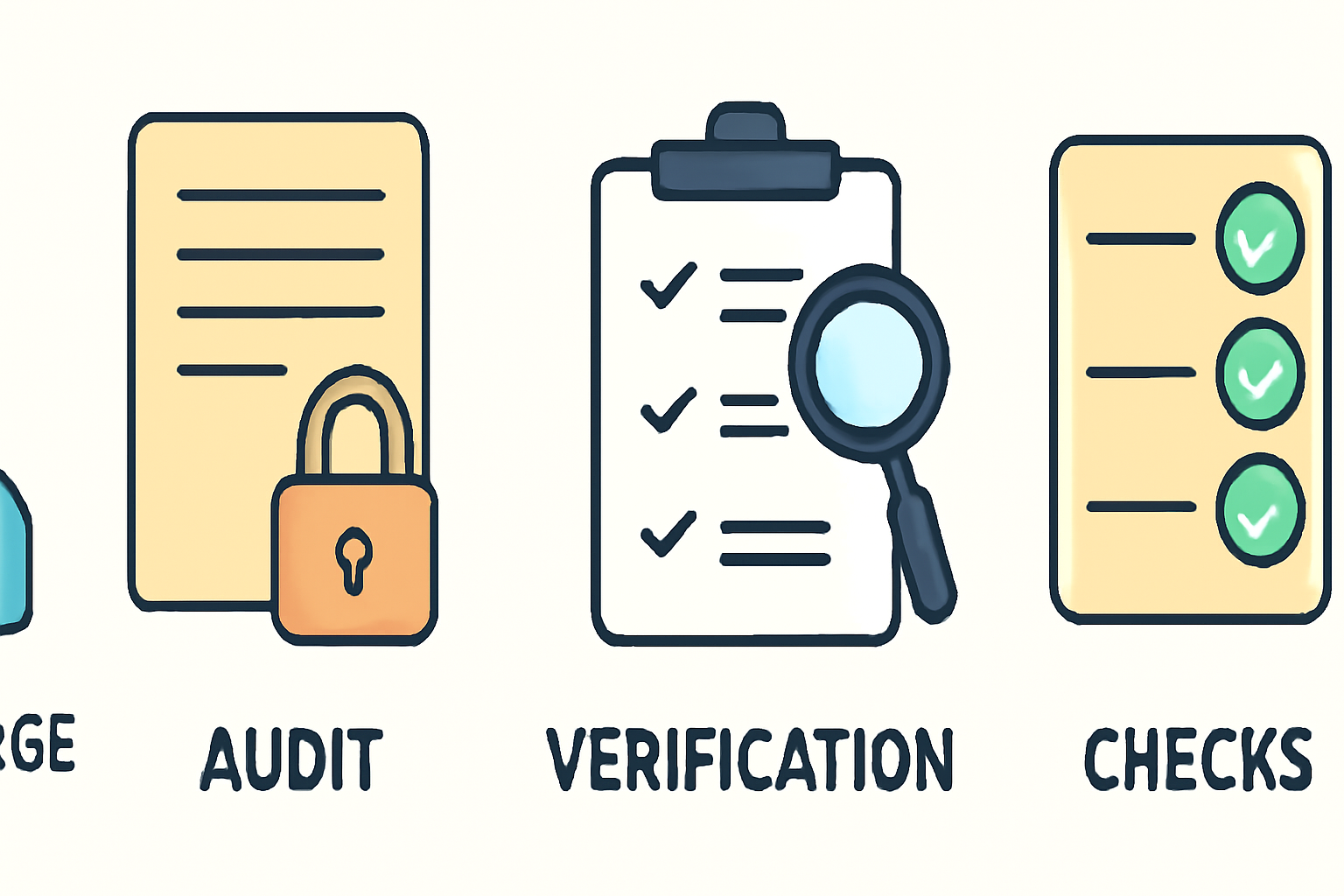
Opinionated as it sounds, skipping hardware wallets invites disaster; remote keyloggers prey on software setups, but isolated devices render them moot. Pair this with RBAC, where roles like 'payroll executor' lack treasury sweep rights, and you've compartmentalized threats effectively. For secure contributor compensation in DAOs, this isn't optional - it's the methodical baseline.
Privacy tech demands scrutiny, though. Secret Network's TEEs faced compromise allegations, per Reddit discussions, where attackers allegedly extracted data. My take: treat TEEs as one pillar, not the monolith. Hybridize with zero-knowledge proofs from Aztec, where private DeFi actions like treasury deposits occur without input revelation. Homomorphic encryption, as Ancilar Technologies details for Ethereum privacy tools, lets computations on ciphertexts yield encrypted results - ideal for payroll aggregation without sum disclosures.
Real-world tuning elevates this. DAOs structuring treasuries per Request Finance balance ops, investments, and security; payroll claims a sliver, say 20-30%, ring-fenced privately. Compliance? Riseworks flags KYC mismatches, but confidential ledgers generate proofs for auditors - transaction validity sans details. Garima Singh's Sovereign Treasury vision fuses this: programmable logic gates payments on milestones, privately verified.
Navigating Risks in Private DAO Payments
Risks lurk in execution gaps. Over-reliance on one chain exposes oracle failures or bridge exploits; diversify across Secret and Aztec for resilience. Contributor onboarding poses another: how to grant viewing keys without doxxing? Use ephemeral proxies or ephemeral wallets, rotating post-payment. Cost creeps too - privacy premiums add gas, but Aztec's efficiencies slash them, making private DAO payments viable for mid-tier DAOs under $10M treasury.
I've analyzed enough DAO post-mortems to assert: privacy isn't paranoia, it's prudence. Public payrolls fueled hacks like the $600K drain on a mid-sized collective last year, traced via wallet clusters. Confidential setups invert this, where attackers see noise, not signals. DAO treasury privacy endures because it aligns incentives - contributors focus on value, not vigilance.
Future vectors sharpen the edge. Ethereum's privacy maturation, with confidential tokens, ports DAO payroll mainstream. Secret's data-hiding evolves toward selective disclosure, where regulators peek compliantly while members stay shrouded. Platforms like Toku streamline stablecoin flows, but bolt on these layers for true shielding. Onchain Treasury's multisig governance recipes automate escalations, vetoing anomalies privately.
Ultimately, confidential DAO payroll redefines contributor trust. No more wallet doxxing, no treasury spotlights; just reliable, global compensation fueling innovation. Builders prioritizing this - via Secret Network's encrypted states or Aztec's DeFi vaults - position their DAOs not just to survive, but thrive in Web3's unforgiving arena. Value, as always, endures where privacy fortifies the foundation.




No comments yet. Be the first to share your thoughts!