DAO compliance 2026: Limits to account for
Navigating DAO compliance in 2026 requires distinguishing between structural governance and legal liability. The core challenge is that decentralized structures often clash with centralized regulatory expectations, particularly regarding securities laws and anti-money laundering (AML) protocols. A practical approach starts by identifying the specific jurisdiction of your participants and the nature of the token utility. If a token functions as an investment contract, it likely falls under SEC jurisdiction, regardless of decentralization claims. Separate must-have legal safeguards—such as KYC/AML integration for contributors—from nice-to-have features like voluntary transparency dashboards.
The simplest way to manage this complexity is to document the decision-making process. Record which members vote on which issues, how funds are allocated, and what happens in case of a dispute. This creates a paper trail that can demonstrate active governance, a key factor regulators look for when determining if a DAO is a de facto partnership or corporation. If your current structure lacks these records, implement them immediately before scaling operations.
| Factor | What to check | Why it matters |
|---|---|---|
| Legal Structure | Is the DAO registered as a LLC, foundation, or unincorporated association? | |
| Token Utility | Does the token provide access to services or represent equity? | Equity-like tokens trigger securities regulations; utility tokens may not. |
| Governance Participation | Are votes recorded on-chain and accessible for audit? | Transparent governance helps defend against claims of hidden control. |
Choose the next step
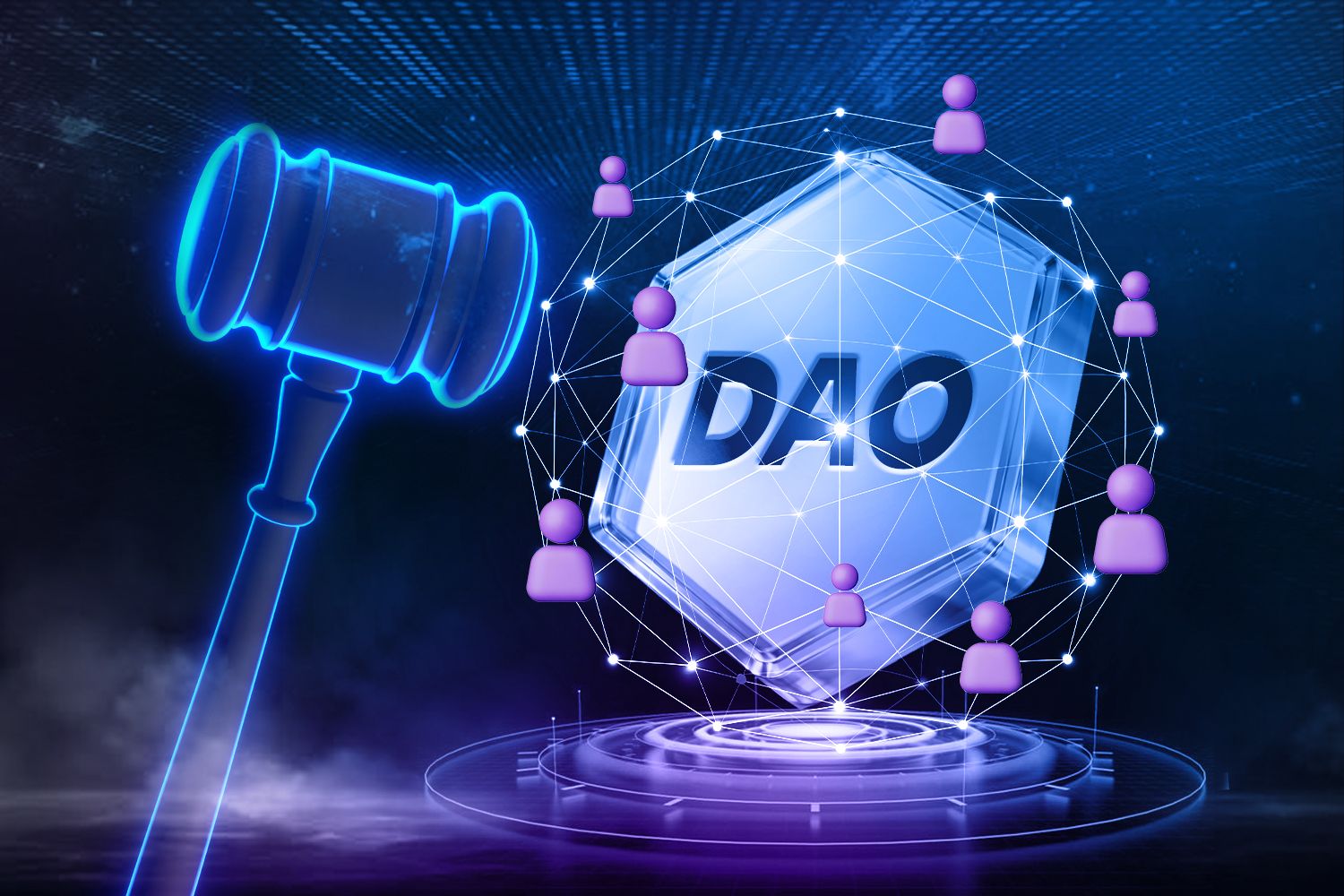
Effective DAO compliance follows a clear sequence: define the legal constraints, compare realistic operational models, test the tradeoffs, and choose the path with the fewest hidden risks. This order keeps advice actionable rather than theoretical. After each step, pause to verify if the recommendation fits your specific situation. If a model depends on perfect regulatory alignment or ideal market conditions, include a simpler fallback, such as a non-profit wrapper or a traditional corporate entity with decentralized voting layers.
Avoid the weak options
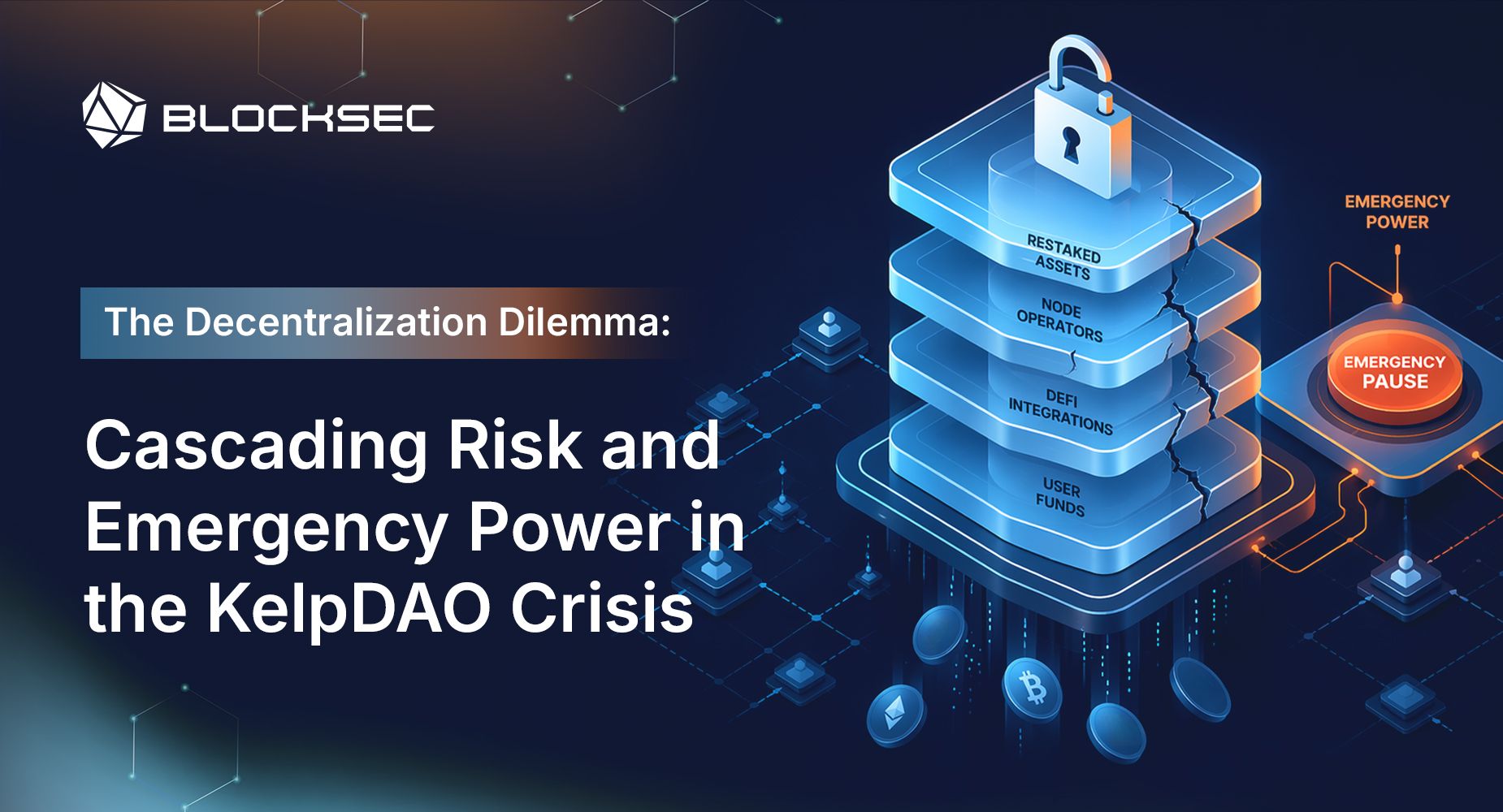
Many DAOs fail by ignoring the "centralization paradox." While the goal is decentralization, regulators often pierce the corporate veil if a small group of founders retains de facto control. Avoid structures where only a few wallets hold significant voting power, as this mimics a traditional board of directors without the corresponding legal protections. Similarly, avoid ignoring tax implications for contributors. Even if no fiat currency changes hands, receiving tokens for work is a taxable event in many jurisdictions. Failing to account for this can lead to significant liabilities for individual members.
DAO compliance 2026: What to check next
Practical next steps
To ensure long-term viability, implement a regular compliance audit schedule. This should include reviewing smart contract updates for governance vulnerabilities and ensuring that all contributor agreements are legally sound. Consider engaging legal counsel specializing in blockchain law to review your operating agreements. Additionally, maintain a public registry of key contributors and their roles, which can help demonstrate transparency to regulators and users alike. By proactively addressing these issues, you can build a robust DAO that respects both decentralization principles and legal boundaries.
No comments yet. Be the first to share your thoughts!