

In the evolving landscape of decentralized governance, private voting DAOs demand mechanisms that safeguard voter anonymity while upholding verifiability. Traditional on-chain voting exposes choices, inviting coercion, front-running, and strategic signaling that undermine collective decision-making. Zero-knowledge proofs (ZKPs) emerge as the cryptographic cornerstone for ZK proofs confidential DAOs, enabling participants to prove vote validity without disclosing their preferences or identities. This guide dissects how ZKPs facilitate anonymous DAO governance, drawing from cutting-edge implementations.
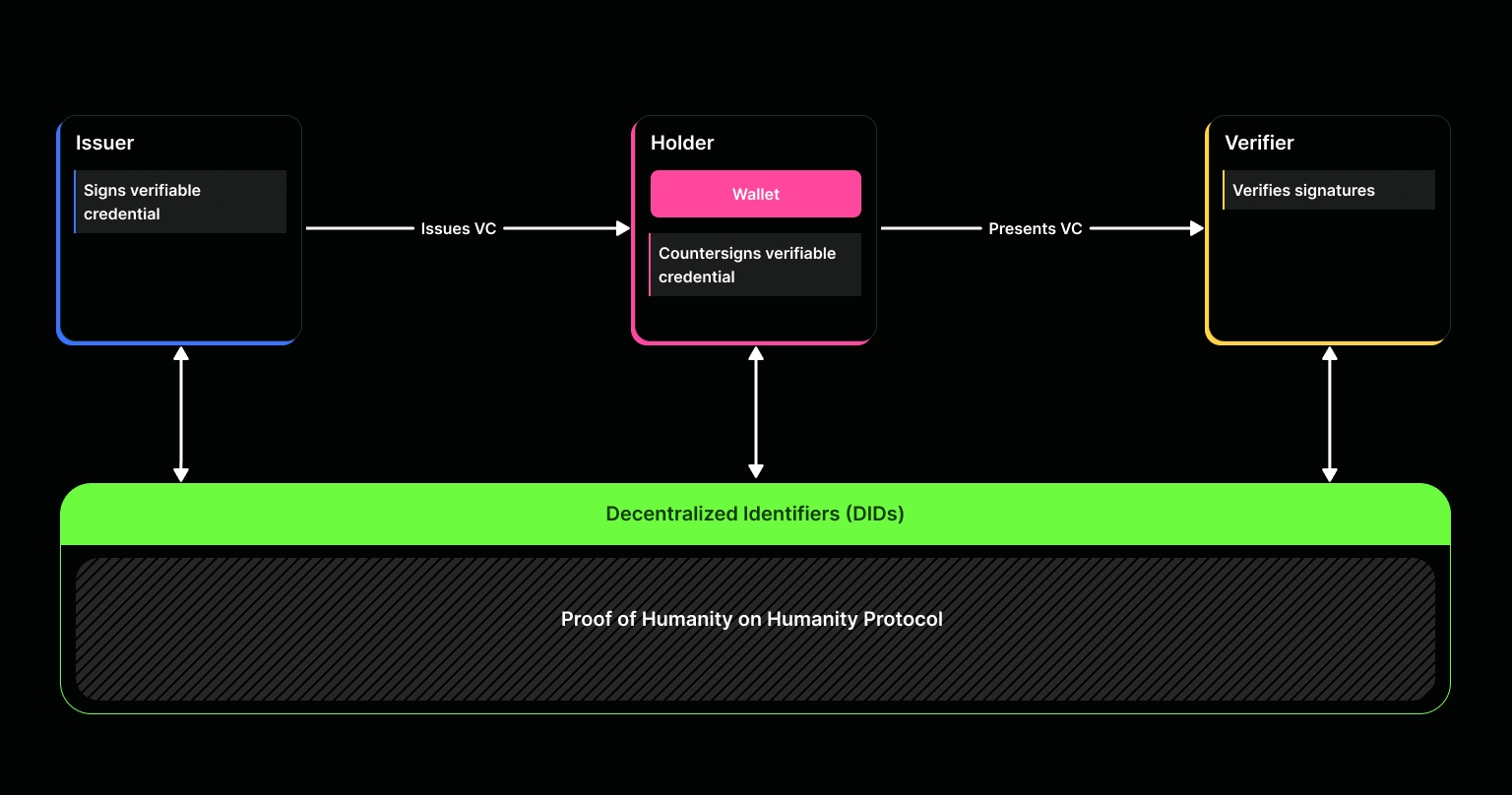
DAOs have scaled impressively, managing treasuries worth millions and steering projects with global impact. Yet, transparency’s double edge cuts deep: public ledgers reveal not just votes but voter alignments, exposing members to external pressures or internal cabals. Consider a high-stakes proposal on treasury allocation; whales might sway outcomes through visible commitments, while minorities self-censor to avoid retaliation. ZKPs invert this dynamic, proving a voter meets criteria-eligibility, one-vote limit, valid option-without leaking the ballot itself.
Breaking Down ZKPs: From Theory to DAO Ballot Boxes
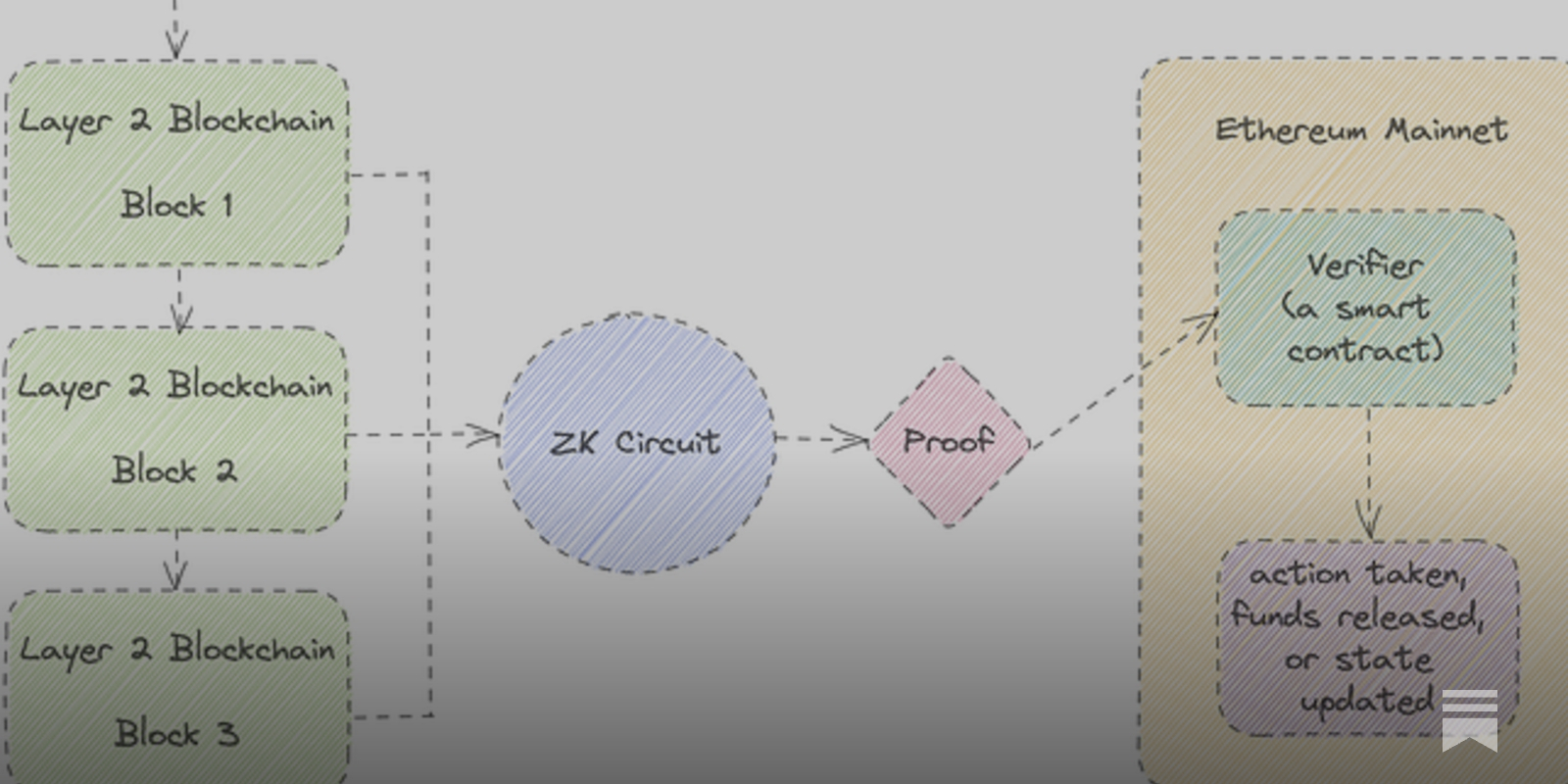
At its core, a zero-knowledge proof is a protocol where a prover convinces a verifier of a statement’s truth without conveying extra information. In zero knowledge voting blockchain contexts, this translates to succinct proofs generated client-side. Voters compute a ZKP attesting: “I hold sufficient tokens, haven’t voted before, and selected a legitimate option. ” The blockchain verifies this proof in constant time, agnostic to the vote’s content.
Protocols like zk-SNARKs (Zero-Knowledge Succinct Non-Interactive Arguments of Knowledge) or zk-STARKs power these feats. zk-SNARKs offer compactness via trusted setups, ideal for Ethereum gas efficiency; zk-STARKs forgo setups, prioritizing quantum resistance. For DAOs, the choice hinges on trade-offs: SNARKs suit frequent votes, STARKs for scalability in massive pools.
Key ZK Proof Properties
-
Completeness: Ensures that if a statement is true, an honest prover can produce a valid proof that the verifier accepts, critical for accepting legitimate DAO votes.
-
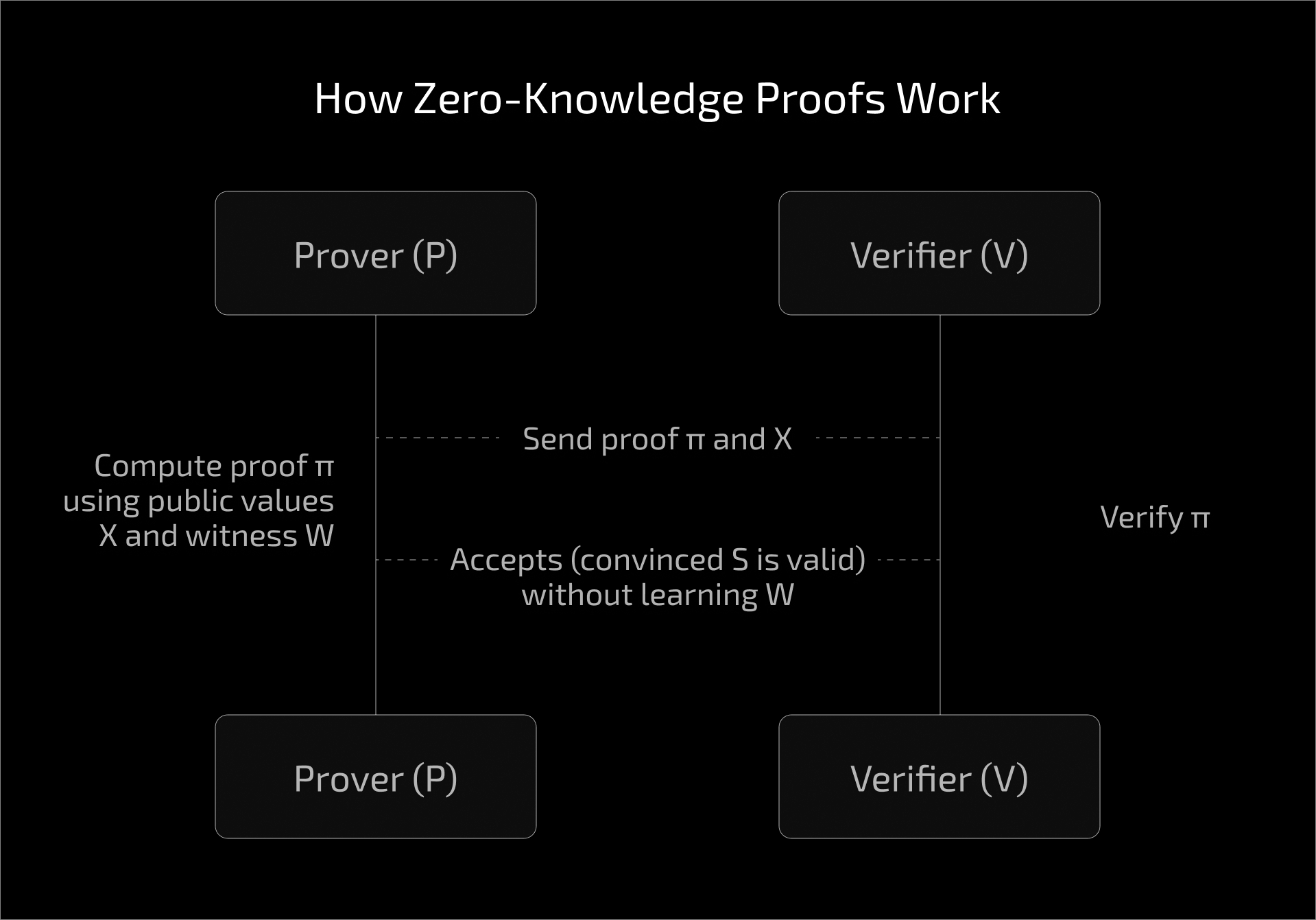
Soundness: Guarantees that invalid statements cannot be proven valid; cheating provers fail with high probability, rejecting fraudulent votes in DAOs.
-
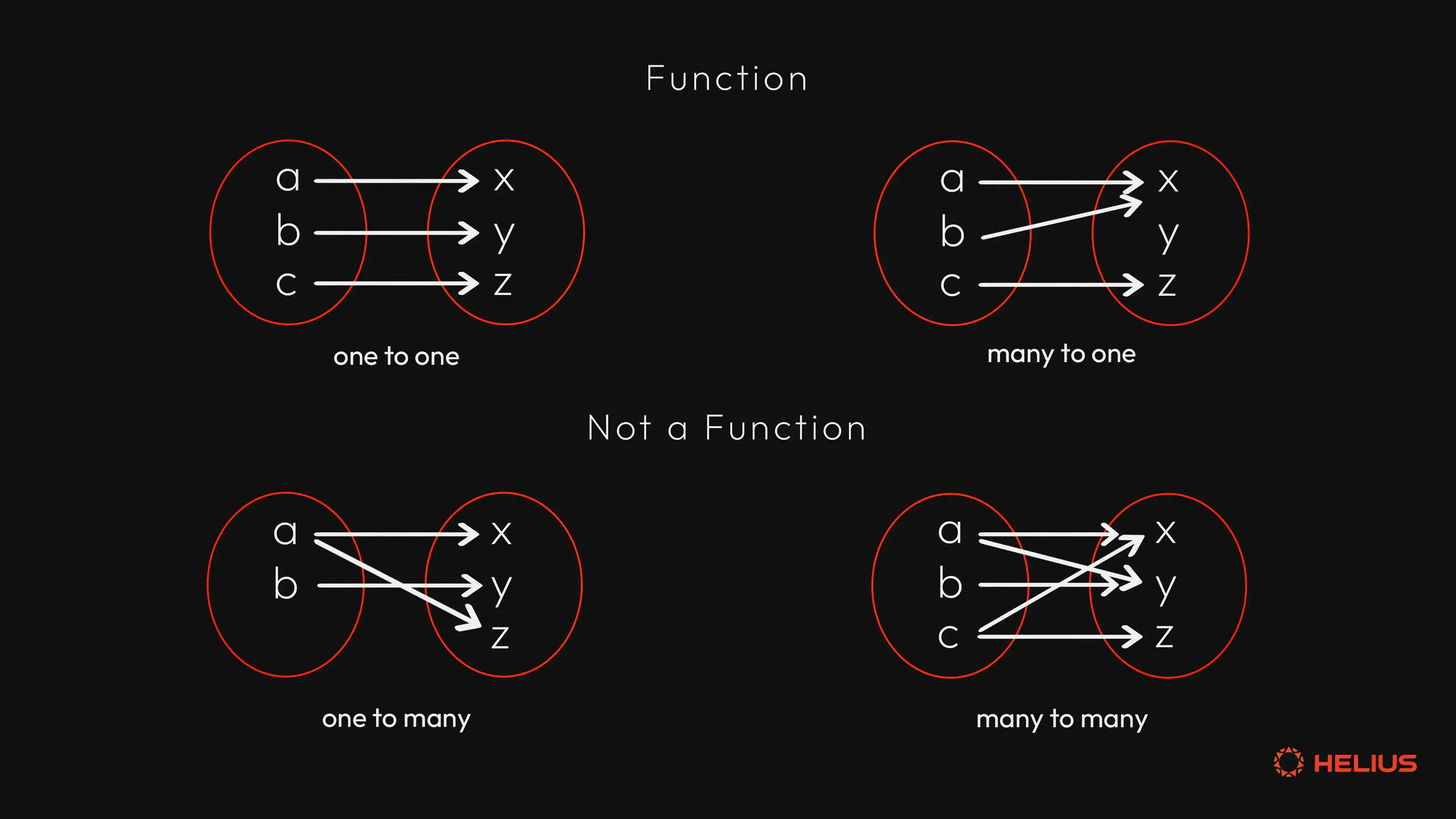
Zero-Knowledge: Reveals no information beyond the statement’s validity, preventing leakage of vote choices or voter identities in confidential governance.
-
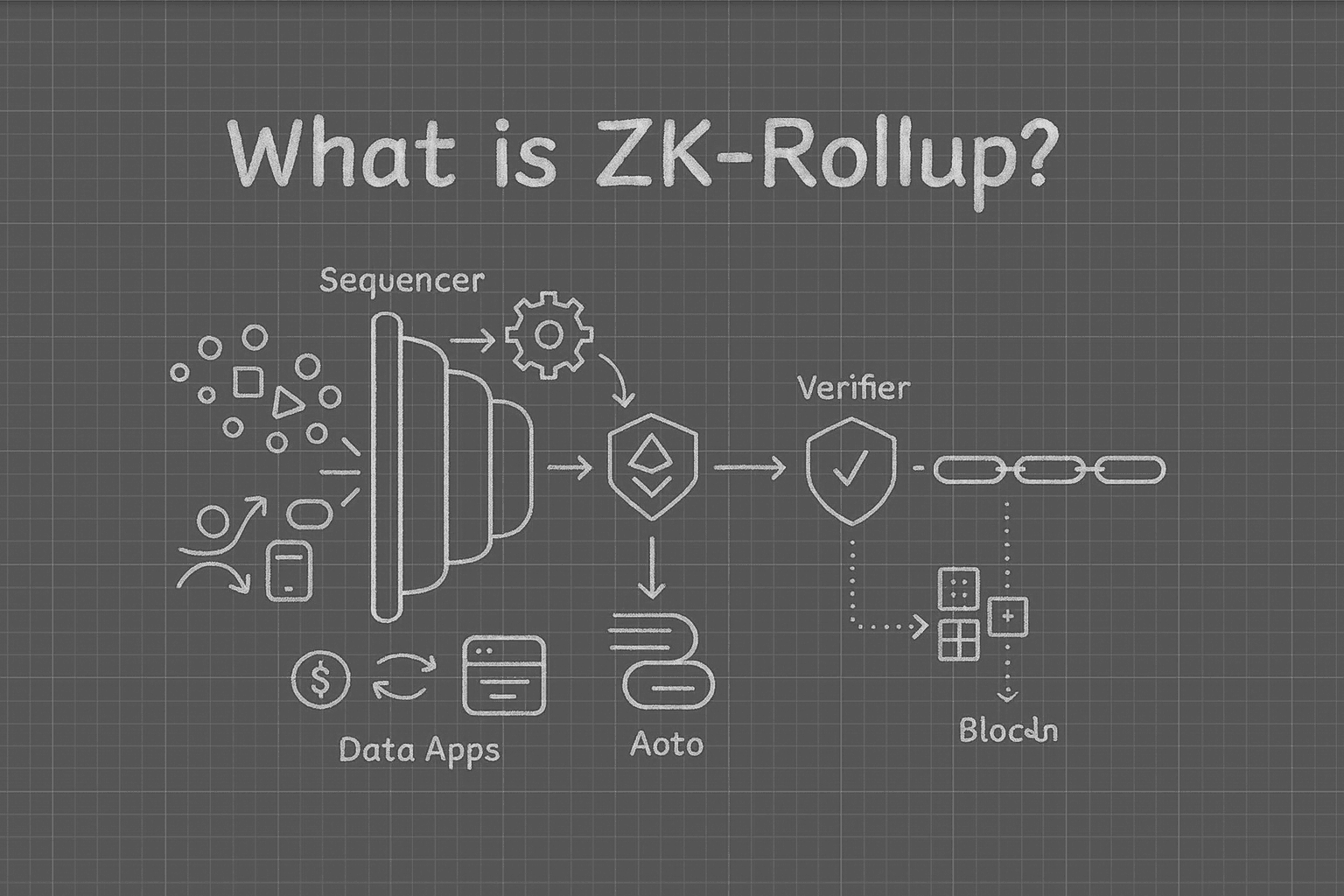
Succinctness: Proofs are small and verification is fast, enabling efficient on-chain checks for scalable DAO voting systems.
This framework extends to advanced features. Mix-nets or homomorphic encryption can aggregate proofs, tallying results privately before a final reveal. The result? Tally integrity without individual traceability.
Pioneering Protocols: ZKPs in Action Across DAOs
Recent advancements illuminate practical paths. NounsDAO’s proof-of-concept integrates ZKPs for trustless private voting on Ethereum, letting wallets register anonymously while verifying participation. Aztec Network’s update embeds ZKPassport Noir circuits in sale contracts, ensuring sanctions compliance sans identity exposure-a blueprint for secure DAO privacy solutions.
“Zero-Knowledge Proofs: The Privacy-Preserving Enabler. They prove eligibility within DAO criteria and valid vote casting. ” – Architecting Confidentiality insights
Semaphore protocol shines in private delegate statements. Delegates join on-chain pools by voting power, issuing verified signals anonymously. This fosters candid discourse, unmarred by reputation risks. MACI (Minimal Anti-Collusion Infrastructure) counters vote-buying via quadratic funding and ZK commitments, as seen in snapshot. org experiments.

Kite protocol revolutionizes delegation: voters proxy power privately, revocable without traces. Built atop Governor Bravo, it obscures chains of custody, even from delegates. ElectAnon tackles ranked-choice voting, blending anonymity with robustness via ZKPs. Starknet forums buzz with ZK governance threads, validating legitimate wallets sans addresses.
Stellar’s zkVoting signs private on-chain transactions, proving rights without public keys. S2DV scheme scales secure voting, mandating ZKPs per operation to thwart malice. ETHGlobal’s CIL Private DAO weaves Solidity ZK for anonymous membership adds.
Overcoming Implementation Hurdles in Confidential DAOs
Deploying ZKPs isn’t seamless. Proving times demand optimized circuits; Noir or Circom ease development. Gas costs, though dropping with L2s like Polygon zkEVM, require batching. User experience falters on wallet integrations-MetaMask lags native ZK support, pushing custom signers.
Yet, these challenges are surmountable with strategic tooling. Frameworks like Noir streamline circuit design, slashing proving times from minutes to seconds. Layer-2 rollups such as zkSync or Starknet natively support ZK verification, compressing costs by orders of magnitude. For UX, emerging wallets like Argent integrate ZK flows seamlessly, abstracting complexity behind intuitive interfaces. Forward-thinking DAOs prioritize audits from firms versed in ZK, mitigating soundness risks inherent in novel cryptography.
Hands-On Blueprint: Integrating ZKPs for Anonymous DAO Governance
ZK Private Voting in DAOs: 5-Step Implementation Guide
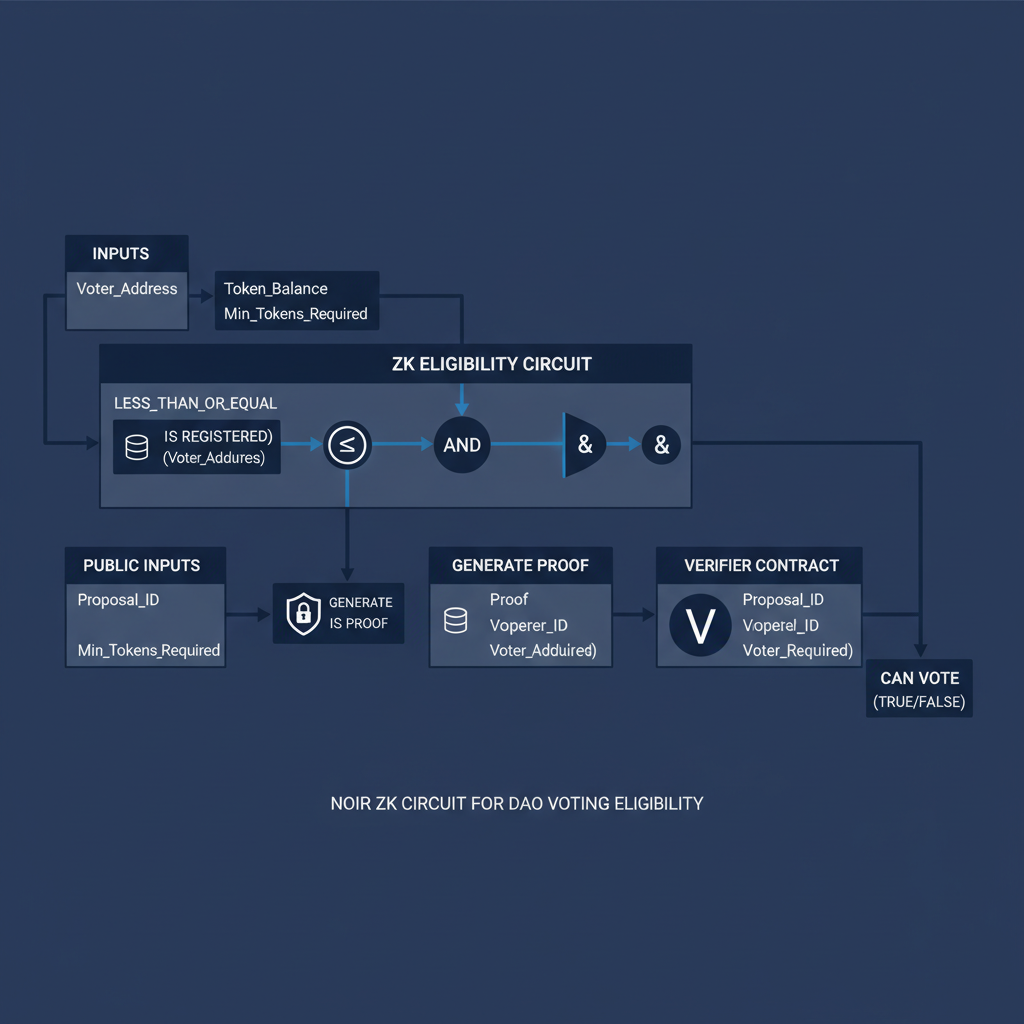
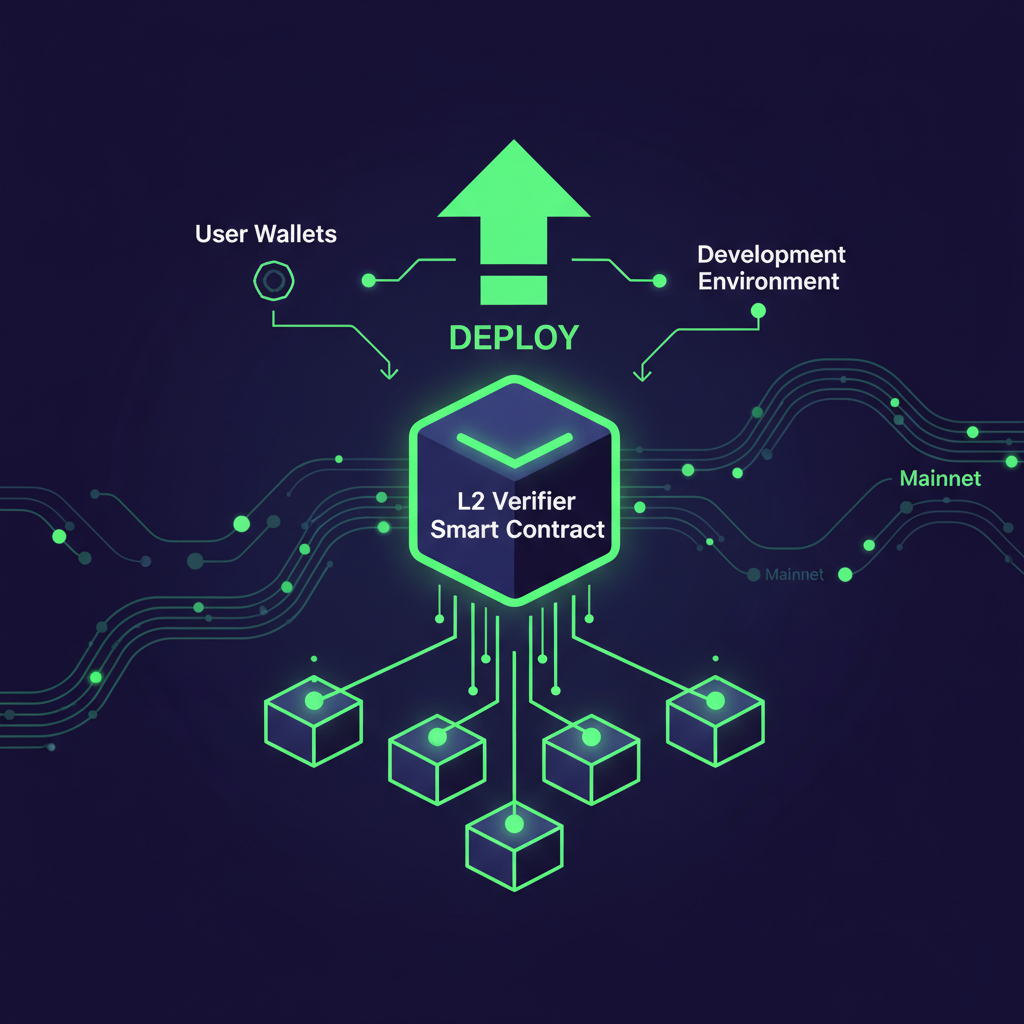
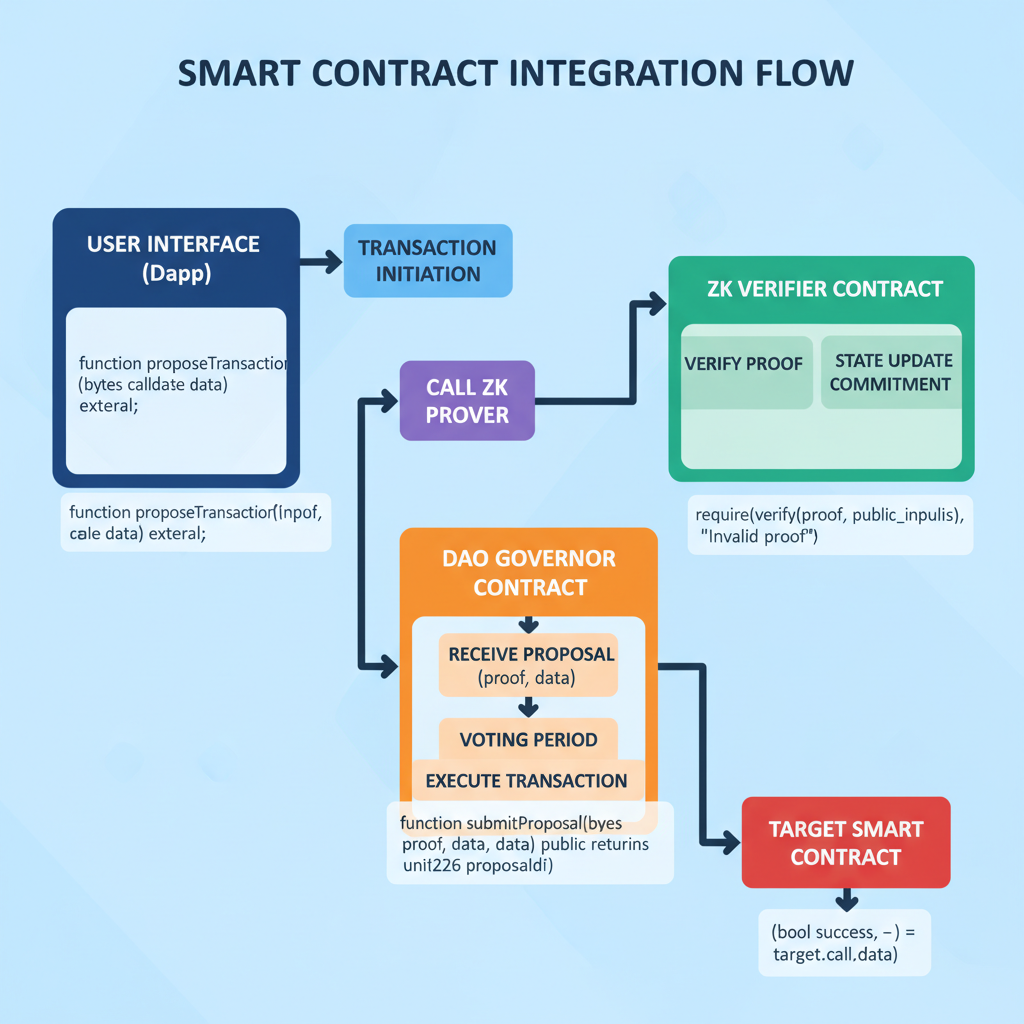
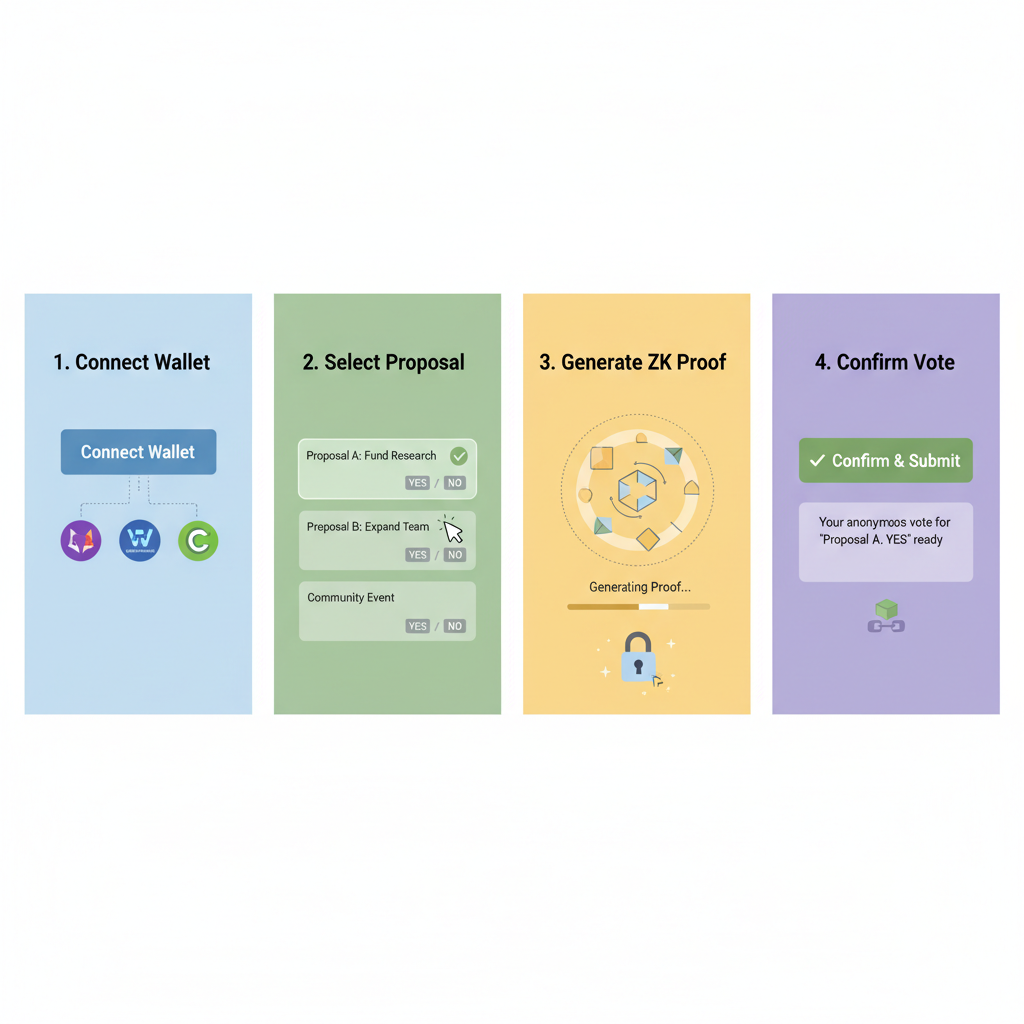
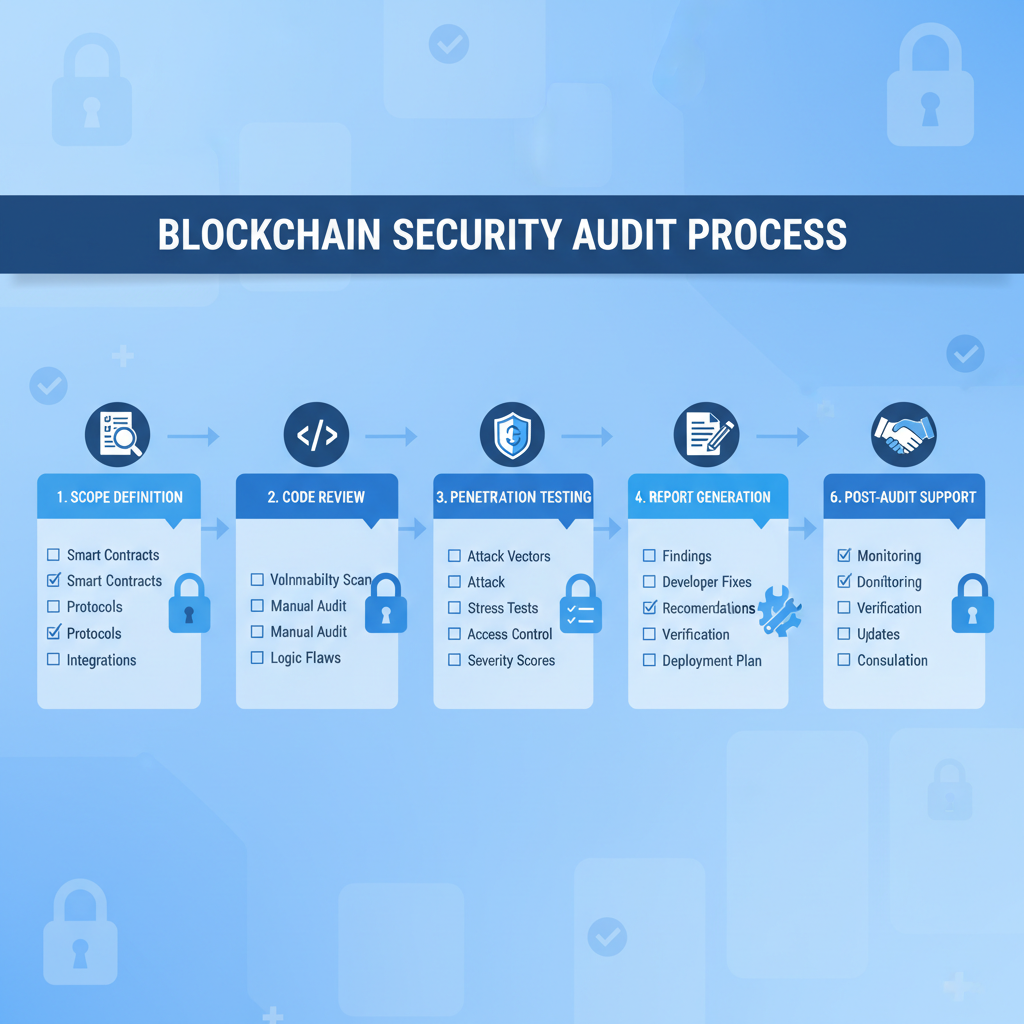
Begin with circuit authoring: encode statements like token balance thresholds or nonce uniqueness. Tools such as Circom offer templates for common predicates, while Noir’s Rust-like syntax accelerates iteration. Deploy a verifier smart contract-once generated, it’s immutable and gas-optimized. Link it to your DAO’s governance module, triggering proofs during proposal phases. Client-side, voters generate proofs via JavaScript libraries like snarkjs, submitting alongside encrypted ballots. Tallying employs aggregation: sum commitments homomorphically, revealing aggregates post-vote.
This blueprint mirrors practical integrations powering private voting DAOs. NounsDAO’s Ethereum PoC exemplifies registration flows, where wallets commit anonymously yet prove linkage. CIL Private DAO extends this to Solidity, allowing ZK-backed membership without doxxing newcomers.
Real-World Catalysts Driving Adoption
Market momentum underscores viability. Aztec’s ZKPassport circuits enforce compliant sales in NounsDAO, blending privacy with regulatory guardrails. Stellar’s zkVoting enables on-chain signatures proving suffrage sans public exposure, a model for zero knowledge voting blockchain primitives. S2DV’s scalable scheme mandates per-operation proofs, fortifying against sybil attacks in large DAOs.
Semaphore’s on-chain pools let delegates signal stances by voting power brackets, verified via ZK without identity leaks-perfect for contentious forks. Kite’s Governor Bravo extension hides delegation graphs entirely, empowering fluid power dynamics. ElectAnon’s ranked-choice prowess scales to thousands, robust against collusion. Shutter’s shielded voting pairs with ZK for tamper-proof tallies, while MIT courses formalize two-party proofs for academic rigor.
Arkham Research highlights ZKPs’ role in verifiable anonymity, transforming DAOs from transparent glasshouses to fortified councils. Verifiable off-chain governance leverages ZK for private checks, like proving quadratic voting weights sans revelation.
These threads converge on a resilient ecosystem. ZK proofs confidential DAOs sidestep coercion by design: votes bind privately, outcomes aggregate publicly. Whales lose sway over visible minorities; discourse flourishes untethered from signaling games. Treasury maneuvers stay confidential, shielding strategies from copycats or adversaries.
Strategic Imperatives for DAO Founders Eyeing Privacy
Prioritize hybrid models: ZK for votes, traditional transparency for execution. Benchmark against MACI’s collusion resistance or Semaphore’s signal fidelity. Engage communities early-wallet onboarding workshops demystify proofs, boosting participation. Monitor L2 gas trends; as verifiers cheapen, retrofits become feasible even for legacy DAOs.
Regulatory tailwinds favor this shift. ZKPs furnish proofs of compliance-addressing KYC or sanctions without data dumps. In jurisdictions mandating audits, verifiable privacy trumps opaque alternatives. Forward DAOs thus position as bastions of secure DAO privacy solutions, attracting risk-averse capital.
The trajectory points to ubiquity. As circuits commoditize and hardware accelerators proliferate, ZK latency evaporates. Coupled with account abstraction, seamless anonymous DAO governance beckons. DAOs that pioneer these now reap first-mover trust, compounding governance edge in a scrutiny-saturated era. Protocols evolve, but the principle endures: privacy amplifies decentralization, fortifying collective intelligence against entropy.
About the Author