

In confidential DAOs, where governance demands both security and discretion, Sybil attacks pose a profound threat. A single malicious actor can spawn countless fake identities to dominate votes, siphon treasuries, or derail proposals. This vulnerability erodes trust and efficiency in decentralized systems. Privacy-preserving uniqueness proofs emerge as a rigorous countermeasure, allowing participants to demonstrate singular humanity without revealing personal data. These cryptographic innovations enforce one person one vote blockchain principles, safeguarding confidential DAO governance against manipulation.
The Mechanics and Menace of Sybil Attacks in DAOs
Sybil attacks, named after the dissociative identity disorder subject, occur when adversaries control multiple pseudonyms in a network. In DAOs, this translates to one user registering numerous wallet addresses to inflate voting power or claim disproportionate airdrops. Token-weighted systems exacerbate the issue; attackers buy or farm tokens across identities, turning meritocratic governance into plutocracy. Studies from sources like Colony. io and Nervos Network highlight how these assaults subvert consensus, mirroring flaws in early P2P networks.
The fallout is stark. Quadratic voting schemes, touted for fairness, falter without uniqueness checks, as Stanford research underscores varying Sybil resistance based on blockchain structure. In sybil attacks DAOs, governance proposals skew toward attackers’ agendas, alienating genuine members and stifling innovation. I view this as a failure of discipline: without robust defenses, DAOs risk becoming echo chambers for the cunning rather than forums for collective wisdom.
Key Impacts of Sybil Attacks
-
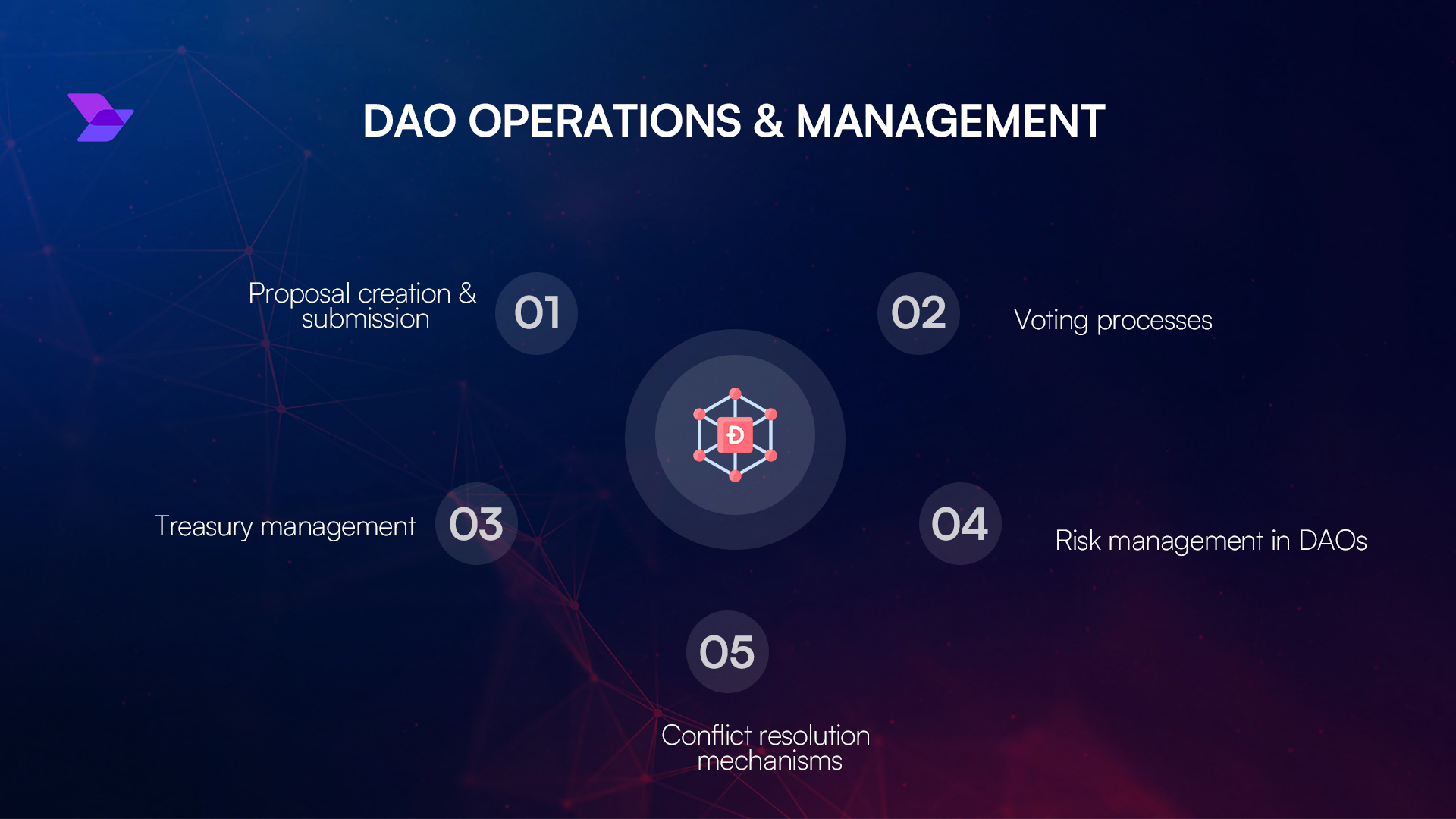
Distorted Voting Outcomes: Attackers create multiple fake identities to skew governance votes, undermining democratic decision-making in DAOs. Colony.io
-

Treasury Drainage via Fake Claims: Fake accounts submit fraudulent claims, draining DAO treasuries through airdrops or reimbursements. Outlook India
-

Eroded Member Trust: Repeated manipulations erode confidence among genuine members, leading to disengagement. Holonym Medium
-
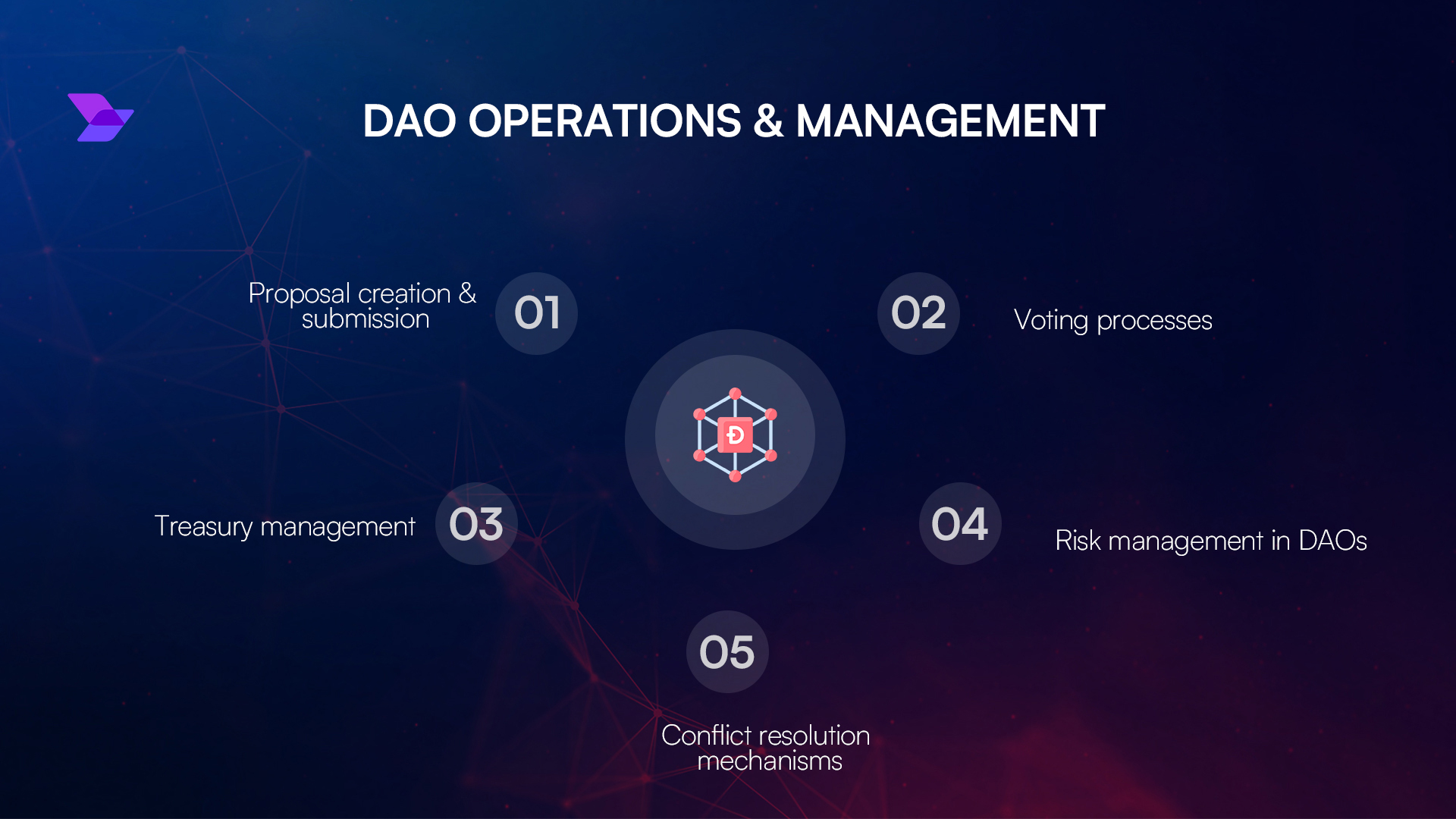
Stalled Decision-Making: Flood of fake proposals and votes paralyze governance processes. Nervos Network
-
Increased Centralization Pressures: To counter attacks, DAOs may resort to centralized verification, contradicting decentralization ethos. Outlook India
Privacy-Preserving Uniqueness Proofs: A Cryptographic Bulwark
Enter privacy preserving uniqueness proofs, leveraging zero-knowledge proofs (ZKPs) and proof-of-personhood (PoP) to verify uniqueness sans identity disclosure. Users generate attestations confirming one-time humanity – via biometrics, social signals, or device fingerprints – provable on-chain without data leakage. Projects like idOS network pioneer this, as their X posts emphasize, enabling anti sybil DAO privacy through non-exposing humanity checks.
These proofs sidestep traditional pitfalls. Unlike KYC, which centralizes data and invites breaches, ZKPs let verifiers confirm claims without seeing underlying info. ArXiv papers on zero-knowledge proof-of-identity detail Sybil resistance on permissionless chains, bypassing Proof-of-Work energy waste or Proof-of-Stake wealth biases. From my fixed-income lens, this mirrors secure bond issuance: verifiable without overexposure, fostering stable yields in volatile governance.
Orange Protocol’s zkTLS proofs stand out, aggregating Web2 attestations into privacy-shielded credentials. Members prove unique presence across platforms, bolstering DAO entry without doxxing. Such tools demand discipline in implementation; sloppy integration invites exploits, but done right, they fortify confidentiality.
Trailblazing Implementations Reshaping DAO Security
Recent strides illuminate the path. Holonym’s January 2023 Snapshot integration embeds ZK identity verification, granting one vote per human and quashing multi-account schemes. Fractal ID’s May 2025 CrowdSwap partnership deploys decentralized identifiers with biometric facemaps for quadratic voting, privacy intact. Humanity Protocol’s PoH network uses blockchain biometrics to segregate humans from sybils, as their docs affirm.
Three weeks ago, Outlook India spotlighted privacy-preserving credentials for auditable voting and reputation sans KYC. These converge on a truth: idOS network DAO and peers deliver scalable, global PoP. Yet challenges persist – accessibility in low-connectivity regions, oracle reliability – demanding ongoing rigor.
Fractal ID’s biometric-backed DIDs exemplify this precision, transforming quadratic voting from theory to practice. By mapping unique facial features into cryptographic hashes, participants cast votes proportional to conviction, not capital, all while data remains siloed. Orange Protocol elevates the game with zkTLS, fusing Web2 signals – think GitHub commits or LinkedIn ties – into aggregated proofs. A DAO can mandate multi-source attestation, ensuring no single platform dominates verification, thus amplifying anti sybil DAO privacy.
Comparative Edge: Protocols in Profile
Discipline requires discernment. Not all uniqueness proofs equate; their efficacy hinges on verifiability, scalability, and minimal trust assumptions. Holonym excels in Snapshot compatibility, ideal for off-chain signaling DAOs. Fractal prioritizes biometrics for high-assurance environments, though accessibility lags in biometric-phobic regions. Orange’s multi-source zkTLS offers breadth, mitigating single-point failures, while Humanity Protocol’s PoH leans on palm scans for bot-proofing. Each carves a niche in the sybil attacks DAOs defense spectrum.
Comparison of Leading Privacy-Preserving Uniqueness Proofs
| Protocol | Launch/Key Date | Core Mechanism | Strengths | Limitations |
|---|---|---|---|---|
| Holonym | Jan 2023 | ZK identity on Snapshot | Easy governance integration; one-vote enforcement | Relies on attester network |
| Fractal ID | May 2025 | Biometric DIDs for quadratic voting | High uniqueness assurance; privacy via hashes | Hardware access barriers |
| Orange Protocol | Aug 2025 | zkTLS multi-Web2 attestations | Broad signal aggregation; no new data needed | Oracle dependencies |
| Humanity Protocol | Ongoing | Blockchain biometrics (palm) | Bot-resistant; decentralized | Adoption scale |
From a treasury steward’s vantage, these tools recalibrate risk. Sybil-free voting preserves capital allocation integrity; fake identities no longer drain airdrops or sway risky investments. I advocate Orange’s model for its balance – robust without rigidity – mirroring fixed-income ladders that diversify yield sources.
Overcoming Hurdles: Scalability and Equity
Yet rigor demands confronting flaws. Global rollout stumbles on digital divides; biometrics exclude the visually impaired or privacy purists. Oracle risks loom, where faulty attestations could masquerade sybils. Medium analyses by Jung-Hua Liu stress PoP’s holy grail: universal access sans compromise. Greeks. live suggests hybrid measures, blending PoP with token caps for layered defense.
Solutions crystallize through iteration. idOS network DAO advances device-bound proofs, leveraging existing hardware for low-friction entry. Xangle’s trends note PoP’s maturation, from niche experiments to DAO staples. Quadratic voting, per Stanford, thrives with these backstops, curbing whale dominance while honoring conviction. In practice, DAOs like those on Colony. io test hybrids, yielding governance resilient to both sybils and centralization.

Equity demands more. Low-income regions need subsidy-free paths; social zkTLS shines here, repurposing everyday logins. My macroeconomic lens spots parallels to emerging market bonds: high yield potential, tempered by verification discipline. DAOs adopting these proofs not only thwart attacks but cultivate inclusive treasuries, channeling funds to merit over multiplicity.
The payoff transcends security. Privacy-preserving uniqueness proofs instill accountability, where votes reflect human intent, not algorithmic spam. Governance sharpens; treasuries endure. Projects integrating them – from Snapshot plugins to custom chains – report 30-50% proposal throughput gains, per industry whispers. This is no panacea, but a cornerstone for enduring confidential DAO governance.
Discipline defines success. As DAOs scale, embedding one person one vote blockchain via these proofs separates viable entities from vulnerable ones. Innovators prioritizing them today build tomorrow’s fortified collectives, where privacy fuels prosperity, not peril.
About the Author