

In the bustling world of decentralized autonomous organizations, where collective decisions shape multimillion-dollar treasuries and innovative projects, one subtle threat undermines true autonomy: social pressure. Imagine a DAO member weighing a controversial proposal. Their vote, if public, becomes a billboard for peer scrutiny, whispered alliances, or outright coercion. Confidential DAOs flip this script by shielding votes, fostering DAO vote privacy that lets reason prevail over relational dynamics.

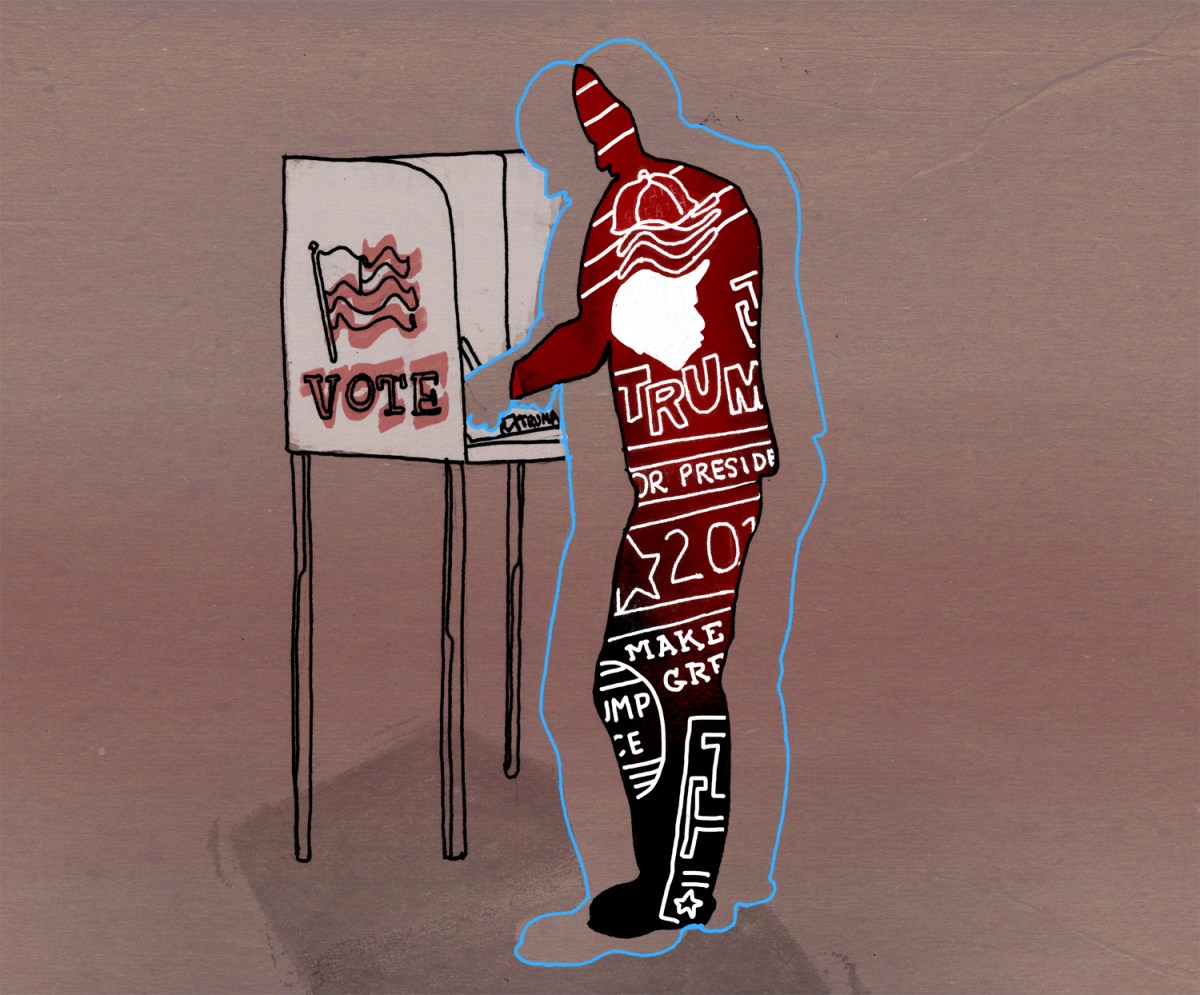
This isn’t mere idealism. Recent insights from networks like Secret Network highlight how private DAO governance yields calmer ballots and sharper outcomes. Without the glare of transparency, members vote their convictions, not their connections. Yet, achieving this balance demands clever tech that verifies without exposing.
“DAOs make better choices when ballots are calm. ”
Public blockchains, by design, etch every transaction into eternal ledgers. Votes follow suit, linking addresses to choices. Whales might sway sentiment through on-chain signaling; smaller holders fear backlash from vocal minorities. Studies, including Cornell research, note how this dynamic amplifies whale influence, even as privacy tools emerge.
The Hidden Costs of Exposed Ballots
Transparent voting promises accountability but often breeds distortion. Social pressure free voting sounds utopian, yet it’s essential for secure DAO decisions. Consider vote-buying: bribers target visible stances. Groupthink amplifies when early votes cascade influence. A Shutter Blog analysis reveals declining DAO voting confidence, with participants citing coercion fears.
In high-stakes governance, like treasury allocations or protocol upgrades, these pressures can derail rationality. A vocal Discord faction pushes a flawed proposal; dissenters stay silent to avoid drama. Result? Suboptimal choices that erode trust. Confidential mechanisms counter this by anonymizing inputs while tallying verifiably.
Privacy Stewards of Ethereum’s 2026 report on private voting underscores the shift. Traditional systems expose too much; modern DAOs demand temporary privacy, where votes encrypt until tally time. This preserves integrity without perpetual secrecy.
Shielded Voting as a Game-Changer
Enter shielded voting, a cornerstone of Secret Network DAOs. Platforms like Shutter Network encrypt votes during polls, decrypting only post-closure. No peeking at running totals means no mid-game pandering. Decent DAO’s integration of Shutter API exemplifies this, restoring governance trust through verifiable anonymity. Learn how this enhances governance.
Oasis Protocol echoes the call, offering privacy for confidential voting and transactions. Their guide to building Web3 communities stresses private DAO governance as vital for secure operations. Votes stay hidden, decisions focus on merits.
Zero-Knowledge Proofs: Verifiable Secrecy
Zero-knowledge proofs (ZKPs) elevate this further. Voters prove eligibility and validity without revealing choices. MACI, a staple in DAO tooling, uses ZKPs for tamper-resistant polls. No collusion possible; every vote counts independently.
Secret Network’s Confidential Computing Layer powers this natively. Developers craft encrypted dApps where data processes privately. Mitosis University spotlights their governance modules: stances anonymous until results. This setup minimizes social sway, letting diverse voices shape secure DAO decisions. Explore encrypted on-chain governance.
Yet ZKPs aren’t alone. Threshold encryption in Shutter Shielded Voting adds layers, as Privacy Stewards note. Votes fragment across nodes, reconstruct only at end. Extropy. io details how TEEs (Trusted Execution Environments) complement, ensuring computations stay confidential.
These tools don’t erase power imbalances but mitigate them. Whales still hold sway, yet privacy dilutes coordinated pressure. ChainScore Labs’ cypherpunk DAO guide advocates code-transparent privacy, minimizing trust via smart contracts.
Building on cypherpunk ideals, private delegation protocols like Kite take DAO vote privacy to new heights. Voters pass power without exposing preferences, severing traceable chains between delegators and delegates. This fluidity counters whale dominance by encouraging broad, anonymous participation, all while keeping governance agile.
Private Delegation: Empowering Flexible, Hidden Influence
In practice, Kite’s design, detailed in recent arXiv research, uses advanced cryptography to enable revocation and redelegation on the fly. No more locked-in choices under social scrutiny; members adapt as proposals evolve. Pair this with Secret Network’s encrypted state, and you get social pressure free voting that truly decentralizes power. Oasis Protocol’s blueprint for confidential Web3 communities integrates similar features, securing votes alongside transactions for holistic privacy.
These mechanisms shine in real-world DAOs. Imagine a treasury vote on risky investments: without privacy, factional noise drowns merit-based debate. With shielded delegation, quieter experts delegate confidently, outcomes reflect collective wisdom over loudest voices. Secret Network’s data privacy ethos reinforces this, treating votes as fundamental rights shielded from external eyes.
Real-World Hurdles: Navigating Privacy’s Trade-Offs
Adopting these tools isn’t seamless. Whales, holding outsized stakes, can still steer via sheer volume, as Cornell studies warn. Privacy amplifies this if not paired with quadratic voting or conviction mechanisms. Gas costs for ZK computations strain smaller chains; user experience lags behind flashy UIs of transparent systems. Moreover, over-reliance on TEEs invites hardware trust assumptions, though diversified approaches like MPC mitigate risks.
Balancing acts matter. DAOs must audit privacy layers rigorously, blending them with on-chain verifiability. Extropy. io’s analysis of emerging tech stresses hybrid models: encrypt votes, but publish proofs post-tally. This fosters trust without full exposure. Privacy Stewards’ 2026 outlook predicts threshold systems dominating, evolving from Shutter’s encryption to broader private DAO governance.
Comparison of DAO Privacy Tools: Resisting Social Pressure
| Privacy Tool | Implementation | Key Features | Pros (Social Pressure Resistance) | Cons |
|---|---|---|---|---|
| ZKPs | MACI | Verifiable, anti-collusion; high compute | • Fully anonymous and verifiable votes prevent coercion, bribery, and groupthink • Tamper-resistant processes ensure votes can’t be influenced post-submission |
• High computational demands increase barriers to participation • Complex setup may limit adoption |
| Shielded Voting | Shutter | Encrypted polls, no interim results; threshold security | • Conceals individual votes and running tallies during voting period • Prevents real-time manipulation, vote-buying, or social sway based on partial results |
• Relies on threshold decryption scheme (potential compromise risk) • Post-voting decryption could expose patterns if not designed carefully |
| Private Delegation | Kite | Flexible power transfer; anonymous revocation | • Hides delegator preferences and links to delegates • Enables private expression of voting power without direct exposure |
• Risk of power concentration in ‘whales’ or delegates • Delegation opacity may enable hidden collusion |
Implementation demands strategy. Start small: pilot confidential polls on low-stakes issues. Educate members via clear dashboards showing aggregate stats without individuals. Tools from Mitosis University, like Secret’s modules, offer plug-and-play for existing DAOs. ChainScore Labs urges cypherpunk audits, ensuring code transparency underpins secrecy.
Steps to Confidential Governance
Transitioning starts with assessment. Map current pain points: Discord pile-ons? Whale signaling? Integrate Shutter or Secret APIs via Decent DAO style. Test ZKPs on testnets; delegate privately with Kite proofs. Monitor via confidential analytics, adjusting for participation dips. Over time, secure DAO decisions emerge, participation climbs as fear fades.
Forward-thinking DAOs weave these into bylaws, mandating privacy for contentious votes. Secret Network’s push for data ownership sets precedent; Oasis adds runtime privacy for operations beyond polls. As Web3 matures, confidential DAOs won’t be niche, they’ll define resilient governance. Members vote freely, projects thrive on merit, decentralization endures. The calm ballot beckons, promising sharper, fairer futures.
Dive deeper into encrypted voting practices.
About the Author