

Decentralized autonomous organizations thrive on trust, yet nothing erodes it faster than exposed contributor salaries. In a world where Ethereum hovers at $1,963.63, with a modest 24-hour gain of and $3.74 or and 0.1910%, DAOs face mounting pressure to protect payroll data amid rising hacks. The PeopleDAO breach, which saw 76.5 ETH vanish through compromised payroll intel, serves as a stark reminder: public blockchains amplify risks for encrypted DAO payroll systems. Contributors deserve discretion, especially when salaries reflect specialized skills in a competitive crypto talent pool.

Balancing transparency with DAO contributor privacy isn’t just technical; it’s a governance imperative. Without robust safeguards, DAOs invite regulatory scrutiny, internal disputes, and predator attacks. Forward-thinking communities are pivoting to privacy tech that verifies payments without revealing amounts or recipients, fostering loyalty and attracting top talent wary of doxxing.
Navigating Payroll Vulnerabilities in Decentralized Teams
Traditional companies silo payroll behind firewalls, but DAOs operate on open ledgers, turning every transaction into a potential leak. Salaries become public fodder, enabling competitors to poach stars or adversaries to target high earners. Recent analyses highlight how unencrypted multisig wallets expose treasuries, as seen in payroll-related exploits. This opacity gap hampers confidential DAO governance, where members demand proof of fair distribution minus personal details.
Enter layered defenses. Role-based access control limits who views salary streams to finance leads only, with auditors getting read-only eyes. Post-restructuring audits catch orphaned permissions, a simple yet overlooked fix. Pair this with AES-256 encryption for data at rest and TLS 1.2 and for transit, and you’ve fortified the basics. Encrypted backups ensure recovery without leaks, critical when disasters strike unannounced.
Leveraging Automation for Seamless Secure Payments
Manual payroll invites errors; automation scales privacy. Platforms like Sablier shine here, integrating with Safe multisigs to stream salaries on-chain. No custom code needed: DAOs set vesting schedules, and funds flow privately from treasury to contributors. This setup verifies delivery without wallet exposure, aligning with secure private payments best practices.
Multi-factor authentication adds teeth, blocking credential stuffers even if phishing succeeds. Mandate it across payroll interfaces, and watch breach risks plummet. These tools don’t just protect; they build resilience, letting DAOs focus on mission over maintenance. As Ethereum’s privacy layer matures with tools like stealth addresses, such integrations become table stakes for professional operations.
Cryptographic Powerhouses: ZKPs and FHE in Action
Privacy demands more than locks; it craves proofs. Zero-knowledge proofs let payroll verify eligibility – did contributor complete milestones? – sans salary reveals. Imagine proving a payout matches governance votes without broadcasting figures. This cryptographic wizardry, touted for DAO treasury privacy, powers confidential payrolls where fairness audits thrive in shadows.
Fully homomorphic encryption takes it further, enabling computations on encrypted data. FHE in cERC20 tokens processes salaries without decryption, ideal for secure DAO payments. Fhenix’s DAO voting extensions hint at payroll potential: compute totals privately, disclose aggregates only. On Solana, Umbra’s encrypted balances shield transfers, blending anonymity with compliance hooks for regulators.
These aren’t hypotheticals. With Ethereum at $1,963.63 amid privacy tool booms, DAOs adopting ZKPs sidestep compliance pitfalls. Stablecoin platforms already use them for confidential flows transparent to oversight, a model ripe for payroll. Yet integration demands care: choose audited libraries, test under load, and align with treasury multisigs for holistic security.
Rollout requires deliberate steps, blending these tools into DAO workflows without overwhelming governance. Start small: pilot with a subgroup, measure gas efficiency on testnets, then scale. Opinion has it that DAOs skimping on this phase court failure, as untested ZK circuits falter under real payloads.
Implementing Cryptographic Payroll DAOs: A Practical Roadmap
Step-by-Step Encrypted DAO Payroll Setup
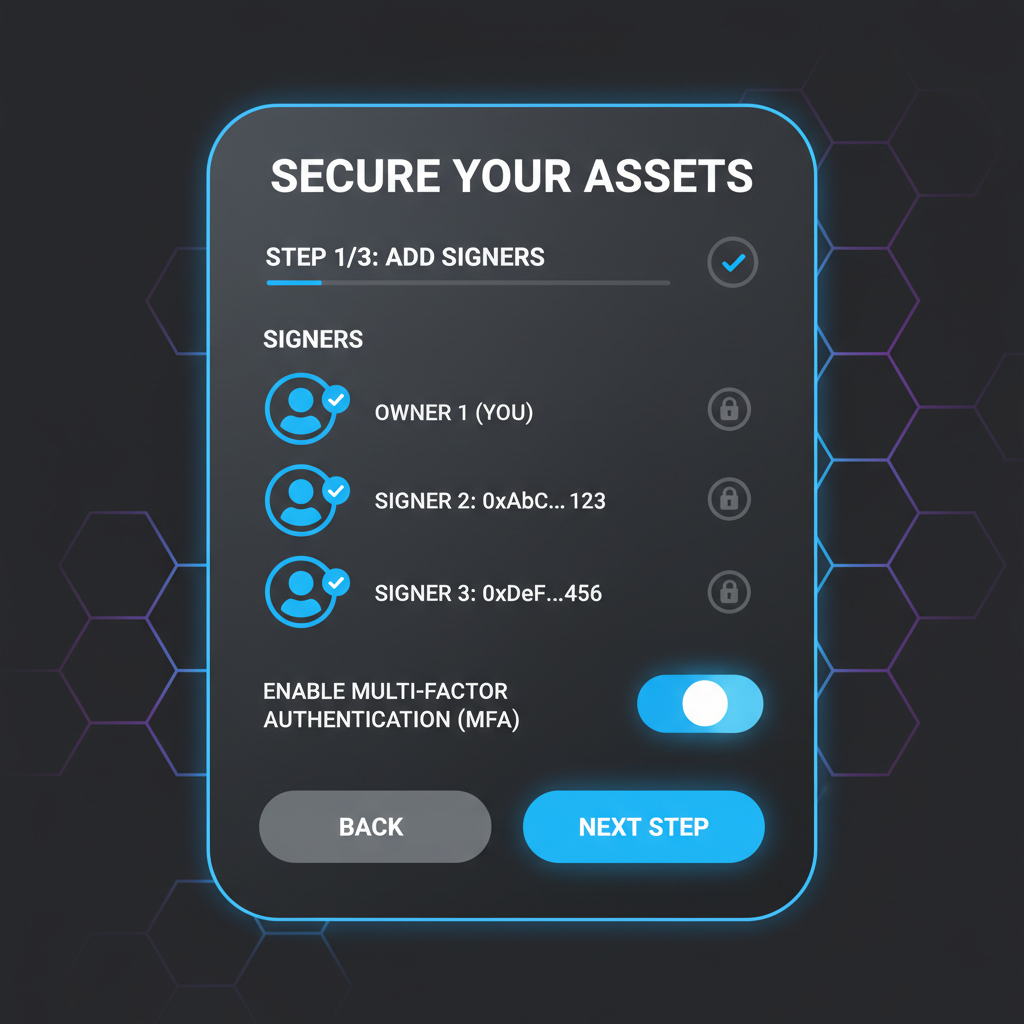
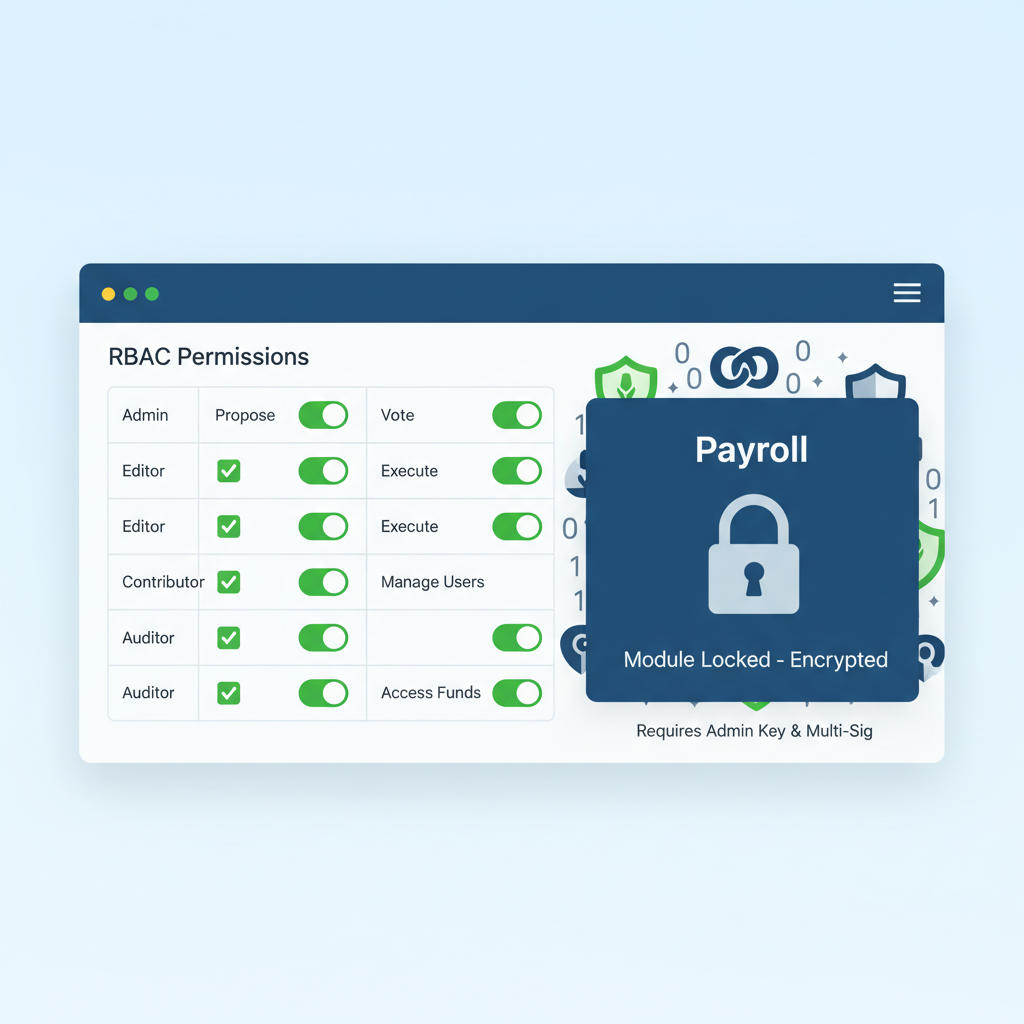
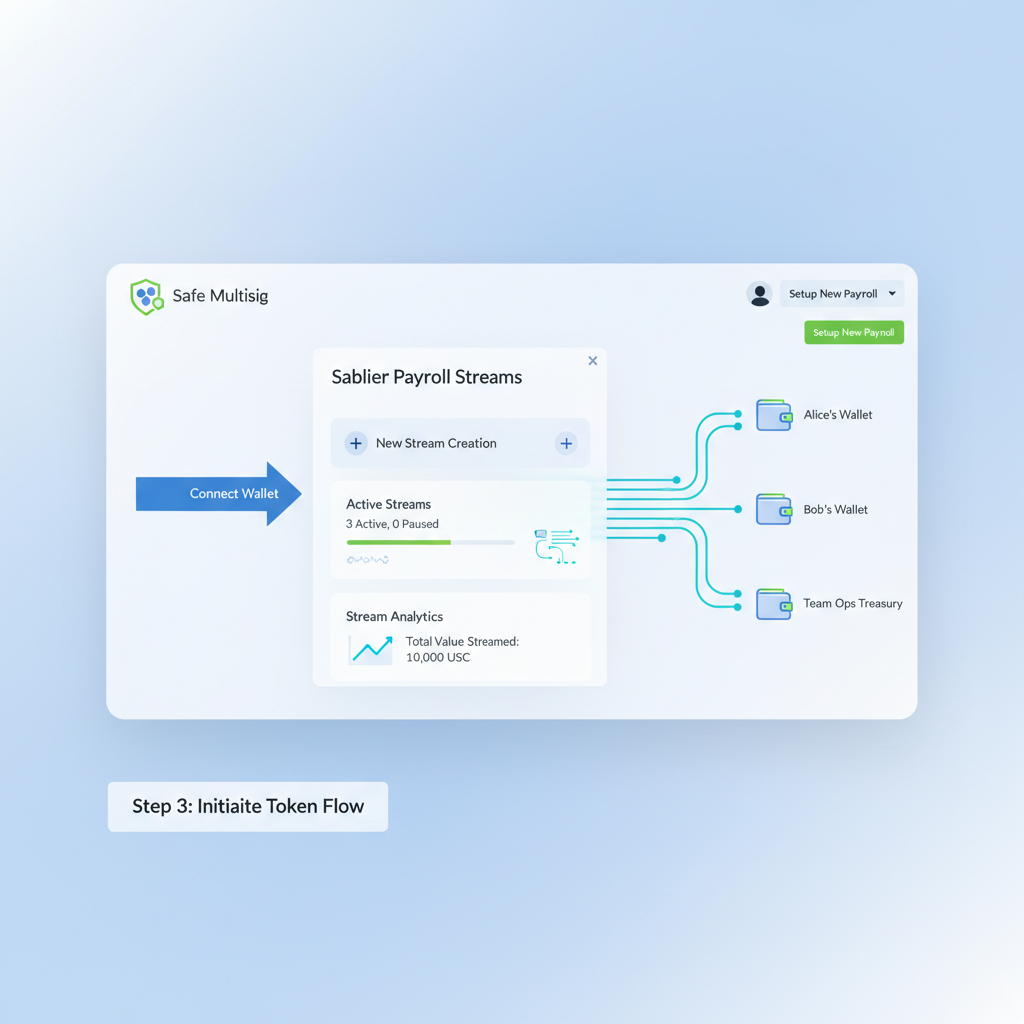
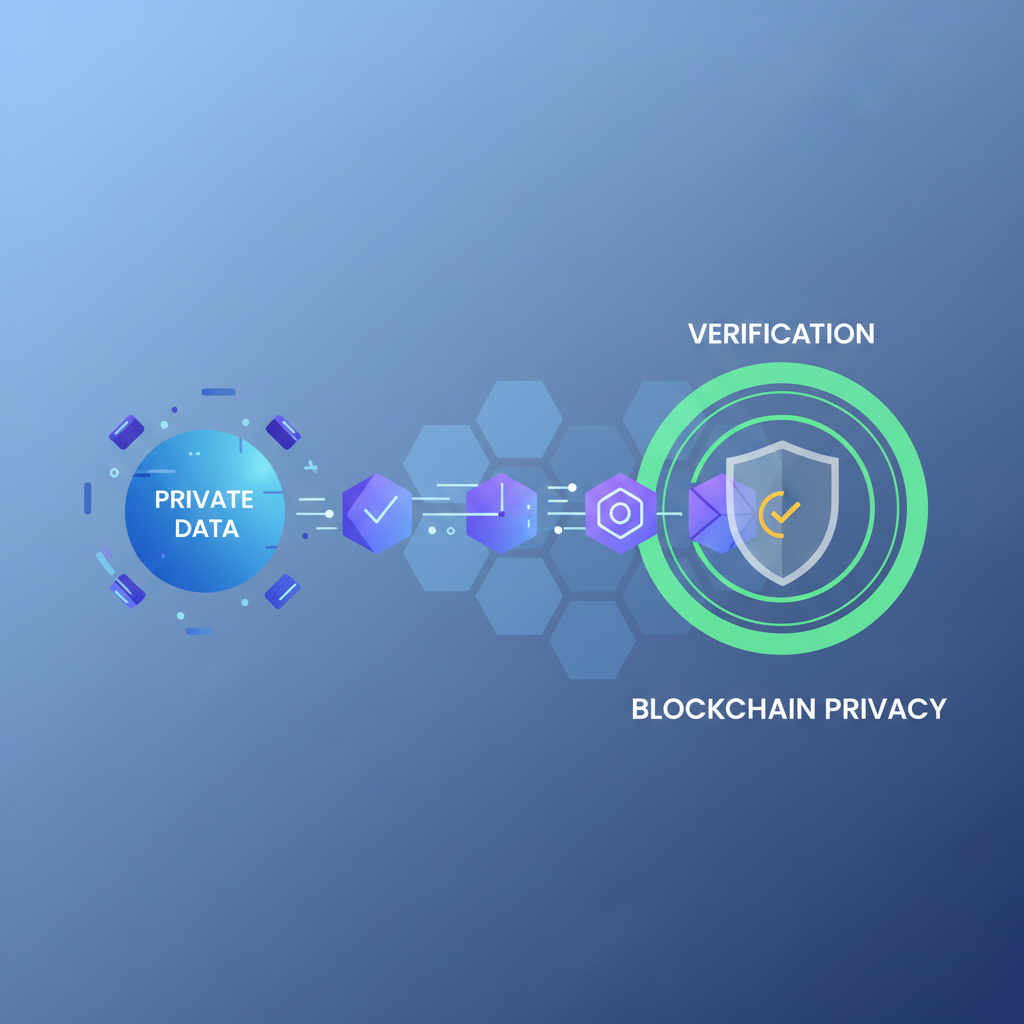
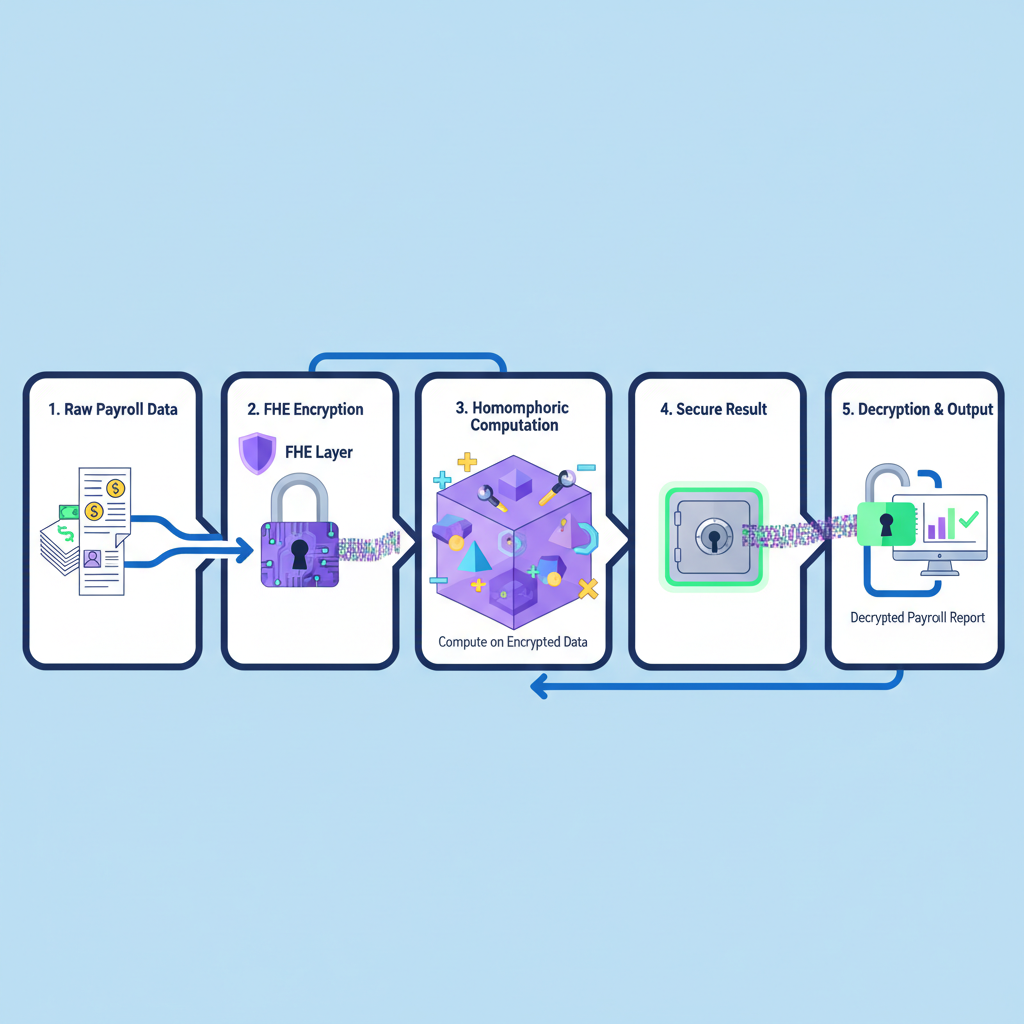
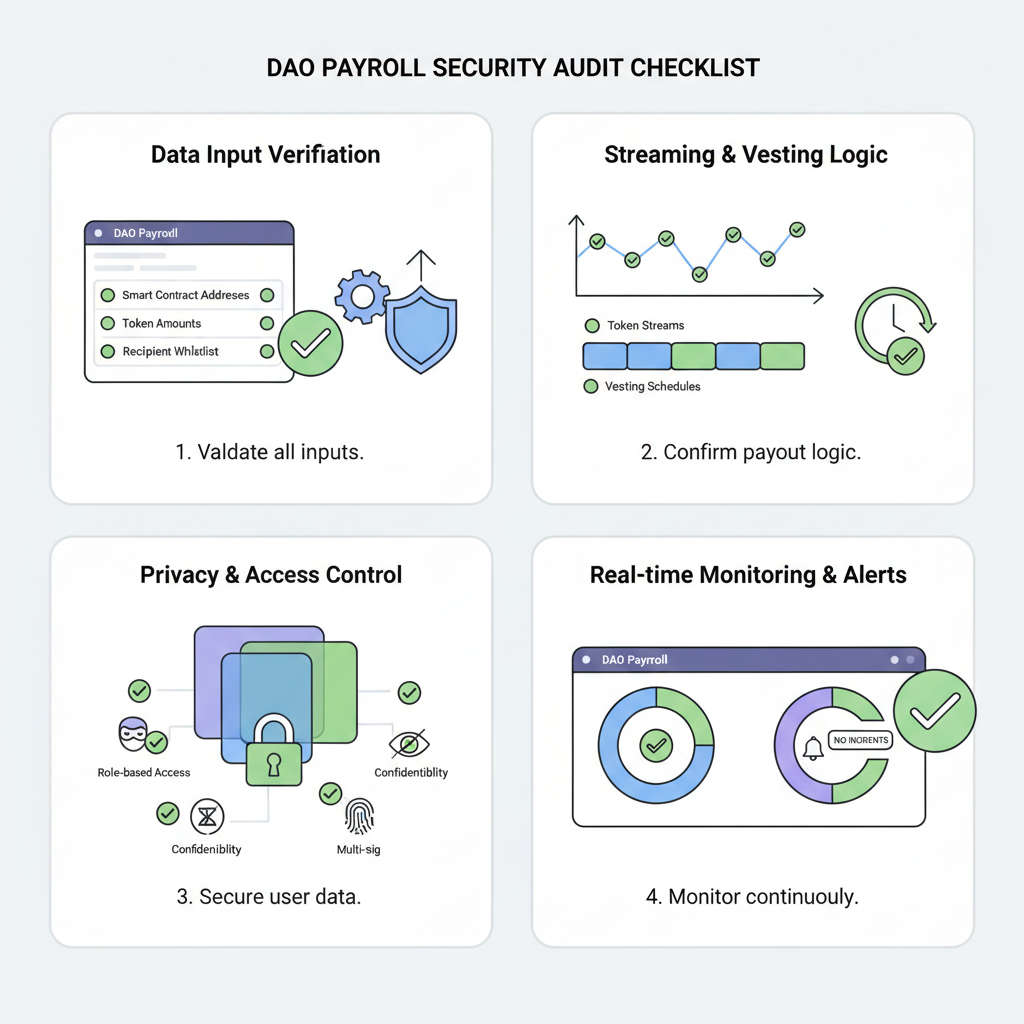
Begin with treasury hardening via Safe’s multisig, enforcing time-locks on outflows. Layer Sablier for streaming: configure encrypted vesting that drips funds to stealth addresses, masking recipient links. Integrate ZKPs via libraries like Semaphore for milestone proofs – contributors submit zero-knowledge attestations of work completed, triggering payouts sans salary disclosure. For FHE enthusiasts, Fhenix wrappers on ERC20 enable aggregate computations, like total payroll verification for token holders, all encrypted end-to-end.
Solana DAOs eyeing speed turn to Umbra: encrypted balances hide salaries during transfers, with opt-in compliance views for audits. Pair with on-chain professional IDs from Riseworks, letting hires prove credentials privately, streamlining private DAO salaries without KYC leaks. This stack isn’t plug-and-play; expect developer hours upfront, but ROI manifests in retained talent and dodged hacks.
Compliance lingers as the thorniest hurdle. Regulators demand traces, yet privacy shields data. ZKPs bridge this elegantly: selective disclosure proves tax withholdings or fair distribution without full exposure. Stablecoin issuers already navigate this, maintaining confidential flows auditable on demand. DAOs mirroring them position for longevity, especially as Ethereum’s privacy arsenal – stealth addresses, confidential tokens – solidifies at $1,963.63.
Overcoming Hurdles: Scalability, Costs, and Adoption
Gas fees bite hardest in ZKP verification; optimistic rollups like zkSync mitigate this, batching proofs off-chain. FHE computation overheads demand hardware acceleration, but cloud providers like Fhenix democratize access. Adoption lags due to talent scarcity – few devs master these primitives – yet bootcamps and audited repos accelerate uptake. Skeptics decry complexity, but compare to traditional payroll’s IRS filings and audits: blockchain versions cut intermediaries, reclaiming efficiency.
Real-world wins abound. DAOs using Sablier report 90% time savings on payroll admin, channeling focus to innovation. Post-PeopleDAO, communities mandating MFA and RBAC saw breach attempts drop sharply. Forward-leaning ones embed these in charters, signaling professionalism to investors and hires alike. As secure contributor payments mature, expect hybrid models blending DAOs with traditional payroll for fiat ramps, all privacy-wrapped.
Privacy-first payroll redefines DAO resilience. Contributors thrive knowing salaries stay shielded, treasuries intact amid volatility. Governance sharpens as disputes fade over ‘fair share’ opacity. In Ethereum’s maturing ecosystem, priced at a steady $1,963.63, these tools empower sustainable growth. DAOs ignoring them risk obsolescence; those embracing forge paths to enduring trust and prosperity. Balance privacy investments with yields, and watch communities flourish.
About the Author