Confidential daos choices that change the plan
Use this section to make the Confidential DAOs decision easier to compare in real life, not just on paper. Start with the reader's actual constraint, then separate must-have requirements from details that are merely nice to have. A practical choice should survive normal use, maintenance, timing, and budget. If a recommendation only works in an ideal situation, call that out plainly and give the reader a fallback path.
| Factor | What to check | Why it matters |
|---|---|---|
| Fit | Match the option to the primary use case. | A good deal still fails if it does not fit the job. |
| Condition | Verify age, wear, and service history. | Hidden condition issues erase upfront savings. |
| Cost | Compare purchase price with likely upkeep. | The cheapest option is not always the lowest-cost option. |
Where each option wins
Choosing between fully transparent, privacy-enabled, and hybrid confidential DAOs depends on your organization’s specific regulatory and operational needs. There is no single best model; the right choice hinges on whether you prioritize absolute auditability, voter anonymity, or a balanced compromise.
Public transparency: Best for open-source and grant-making
Public DAOs operate on a permissionless blockchain where every transaction and vote is visible to anyone. This model is ideal for open-source communities, public goods funding, and grant-making organizations that rely on community trust through radical visibility. The primary advantage is accountability: stakeholders can verify exactly how funds are spent and how decisions were made in real-time. However, this openness exposes voter preferences to potential coercion or doxxing, making it unsuitable for sensitive internal governance.
Confidential DAOs: Best for corporate treasury and private voting
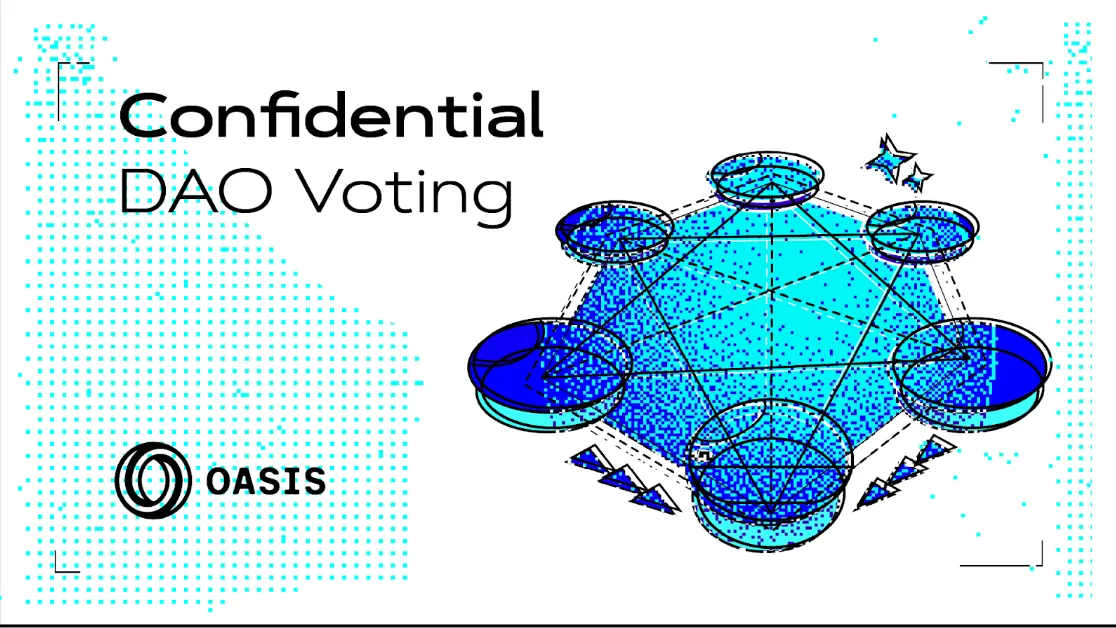
Confidential DAOs, often built on privacy-first networks like Oasis, shield voter identities and conceal proposal results. This architecture is essential for corporate treasuries, mergers and acquisitions, or any scenario where competitive intelligence or executive privacy is paramount. By using zero-knowledge proofs, these DAOs allow members to prove they are eligible to vote without revealing their identity or vote choice. As noted in privacy-focused guides, this allows a DAO to "shield voter identities" and "selectively apply confidentiality" where traditional blockchains cannot. This model protects members from external pressure and internal power struggles but requires more complex technical infrastructure.
Hybrid models: Best for regulated industries
Hybrid confidential DAOs offer a middle ground, allowing selective disclosure. Members can vote privately on sensitive matters while keeping certain operational data public. This approach is particularly relevant for regulated industries like healthcare or finance, where compliance requires maintaining specific records while protecting personal data. Hybrid models provide the flexibility to navigate complex legal landscapes, ensuring that sensitive information remains confidential while still meeting basic transparency requirements for stakeholders. The choice ultimately rests on weighing the cost of privacy against the need for public accountability.
Details worth checking
Use this section to make the Confidential DAOs decision easier to compare in real life, not just on paper. Start with the reader's actual constraint, then separate must-have requirements from details that are merely nice to have. A practical choice should survive normal use, maintenance, timing, and budget. If a recommendation only works in an ideal situation, call that out plainly and give the reader a fallback path.
-
Verify the basicsConfirm the core specs, condition, and fit before comparing extras.
-
Price the downsideLook for the repair, maintenance, or replacement cost that would change the decision.
-
Compare alternativesCheck at least two comparable options before treating one listing as the benchmark.
No comments yet. Be the first to share your thoughts!