The DAO Governance Crisis of 2026
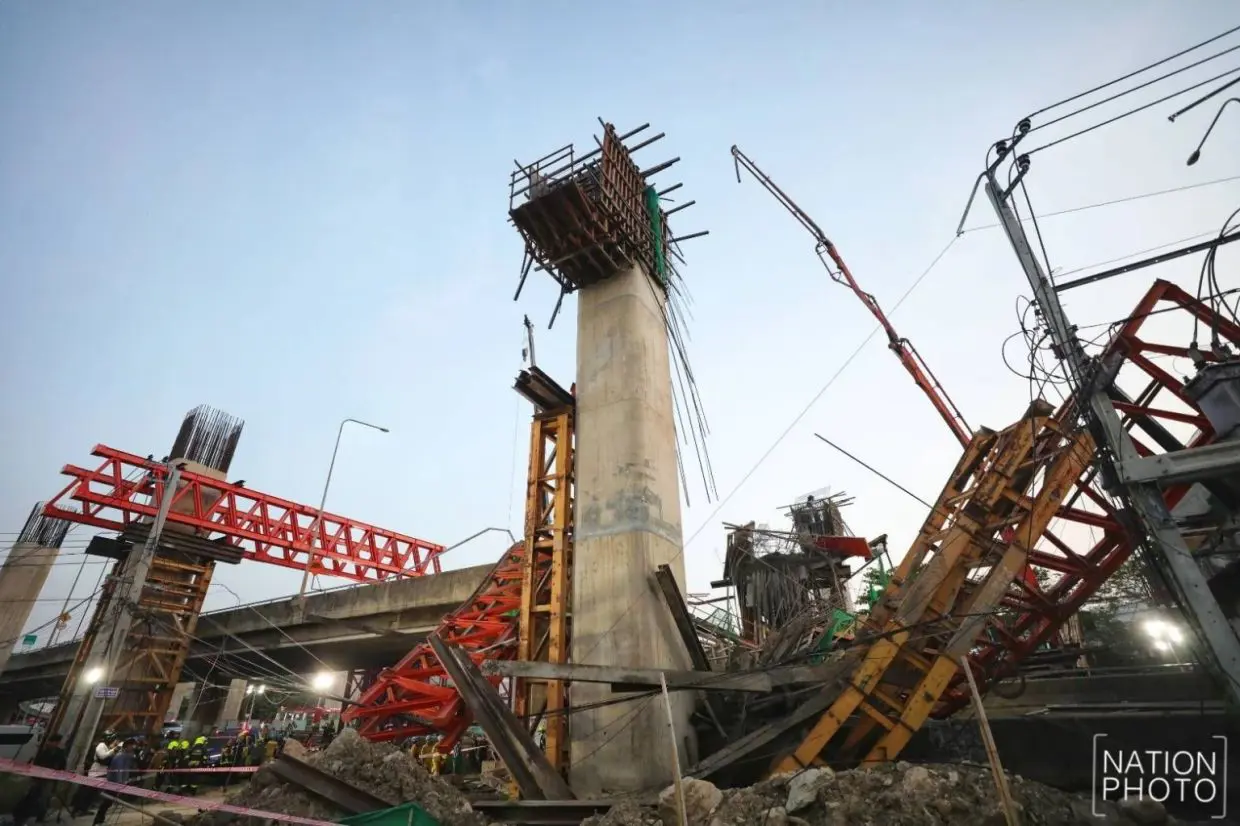
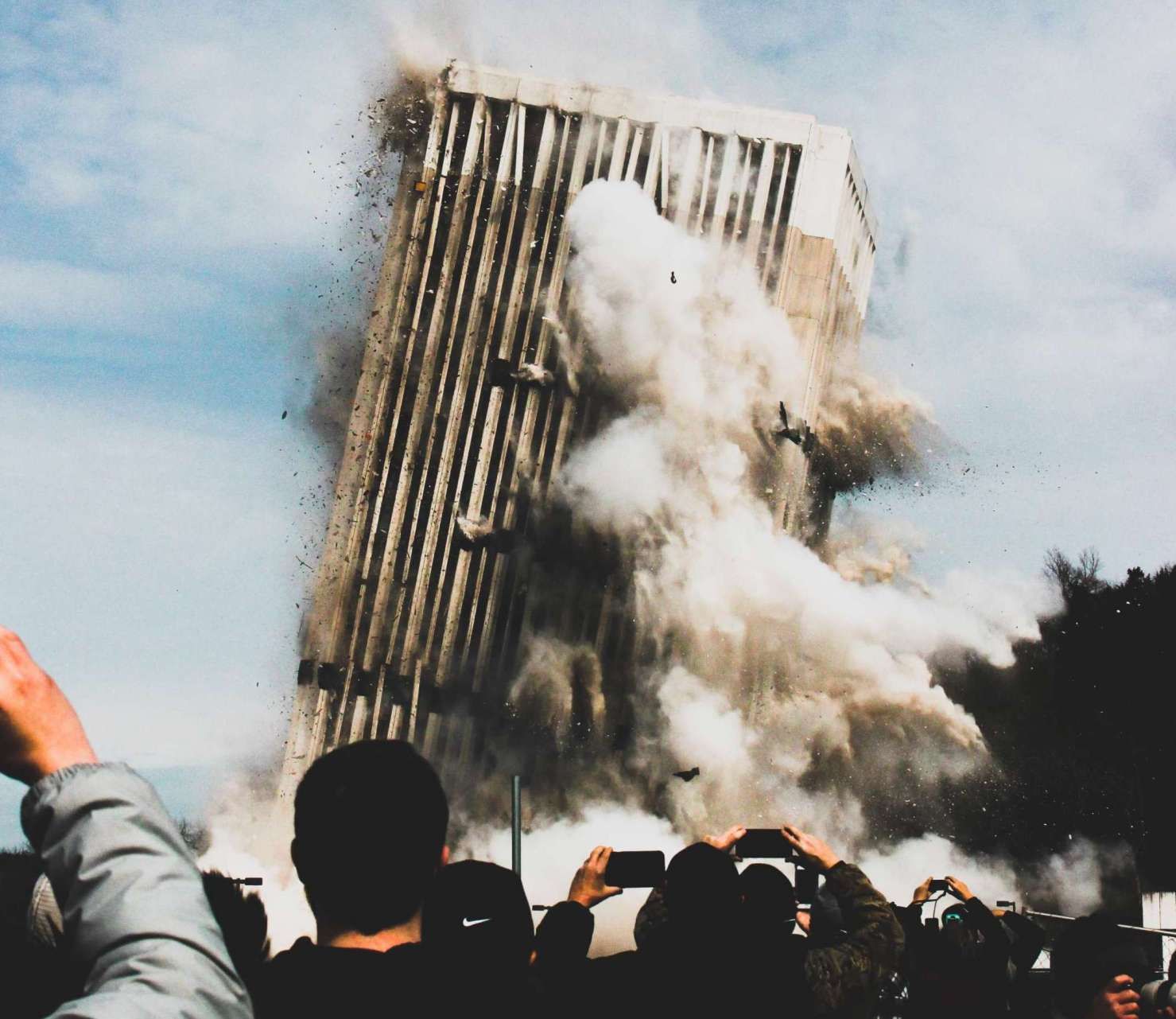
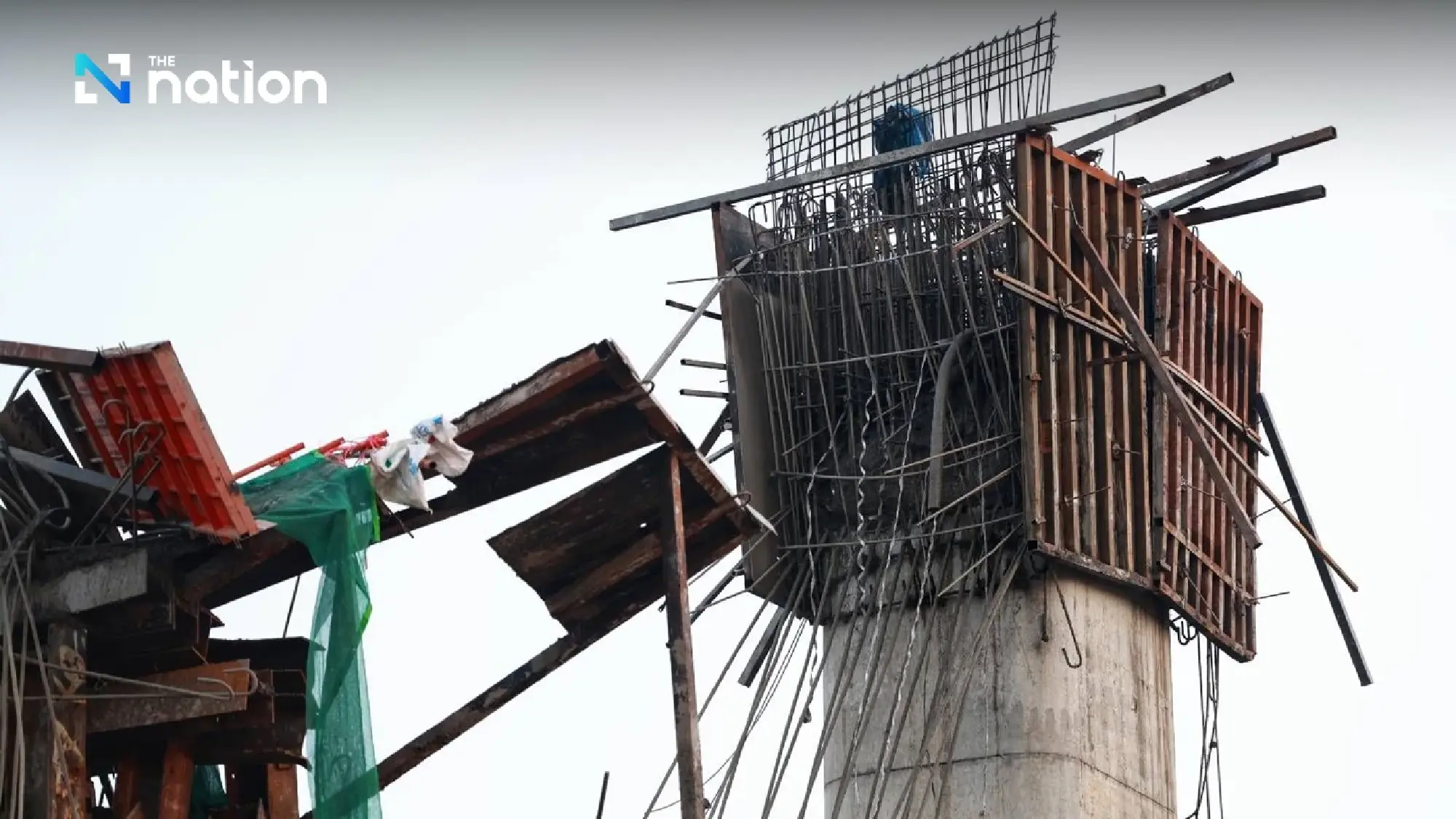
The 2026 DAO governance crisis marks a pivot point for decentralized organizations. High-profile failures have forced a reckoning on how these entities manage their treasury and make decisions. What was once celebrated as the purest form of community ownership is now facing scrutiny over centralization risks and operational paralysis.
Early in 2026, several major DAOs effectively admitted defeat in their governance models. Jupiter DAO froze all governance voting and locked its treasury until 2027, citing the need to stabilize operations amid market volatility. This move signaled that pure decentralization was no longer sustainable for entities managing significant capital.
The ENS DAO faced a similar crisis in June 2026. A proposal to delegate $350 million in treasury control to the ENS Foundation divided tokenholders. The debate highlighted a core tension: the original constitution emphasized community control, but the scale of the treasury demanded efficient, centralized management. This split exposed the fragility of governance structures when faced with real-world financial pressure.
These events suggest that the "code is law" approach is insufficient for complex organizations. DAOs are now exploring hybrid models that balance community input with executive agility. The crisis is not just about failure; it is about redefining what effective governance looks like in a high-stakes environment.
Dao governance crisis 2026 choices that change the plan
Use this section to make the The DAO Collapse decision easier to compare in real life, not just on paper. Start with the reader's actual constraint, then separate must-have requirements from details that are merely nice to have. A practical choice should survive normal use, maintenance, timing, and budget. If a recommendation only works in an ideal situation, call that out plainly and give the reader a fallback path.
| Factor | What to check | Why it matters |
|---|---|---|
| Fit | Match the option to the primary use case. | A good deal still fails if it does not fit the job. |
| Condition | Verify age, wear, and service history. | Hidden condition issues erase upfront savings. |
| Cost | Compare purchase price with likely upkeep. | The cheapest option is not always the lowest-cost option. |
Choose the next step
The DAO Collapse works best as a clear sequence: define the constraint, compare the realistic options, test the tradeoff, and choose the path with the fewest hidden costs. That order keeps the advice usable instead of decorative. After each step, pause long enough to check whether the recommendation still fits the reader's actual situation. If it depends on perfect timing, unusual access, or a best-case budget, include a simpler fallback.
Spotting weak governance options
Decentralized governance often fails because it confuses participation with control. When protocols face crises, tokenholders frequently encounter proposals that look like democratic reforms but actually centralize power. Identifying these weak options requires checking three specific areas: treasury control, voting mechanics, and emergency clauses.
Treasury control proposals
The most dangerous weakness appears in treasury management. A proposal that delegates significant funds to a foundation or multisig effectively bypasses community oversight. For example, the ENS DAO’s June 2026 proposal to delegate over $350 million to the ENS Foundation divided tokenholders and strained the original constitution [src-serp-1]. If a proposal shifts custody from a transparent smart contract to a small group, it is a weak option.
Frozen voting mechanisms
Some DAOs abandon governance entirely during stress. Jupiter DAO froze all voting and locked its treasury until 2027, admitting defeat rather than forcing a community decision [src-serp-2]. This is not a governance feature; it is a collapse. Look for proposals that suspend voting or extend timelines indefinitely. These are red flags that the protocol has lost its decentralized legitimacy.
Misleading "efficiency" clauses
Emergency powers are often disguised as efficiency tools. Clauses that allow a small team to act without a vote may seem practical but remove accountability. Check if the proposal defines clear triggers for these powers and requires post-action audits. Without these checks, the option is weak and risky.
Dao governance crisis 2026: what to check next
The 2026 DAO collapse highlighted structural flaws in decentralized decision-making. This FAQ addresses practical concerns about governance mechanics, funding, and the future of decentralized organizations based on current market realities.
No comments yet. Be the first to share your thoughts!