Confidential daos: the compliance limits to account for
A confidential DAO is a decentralized autonomous organization that uses privacy-preserving smart contracts to shield governance data from public view. While standard DAOs broadcast every vote and transaction on-chain, confidential DAOs employ zero-knowledge proofs or similar cryptographic methods to verify legitimacy without revealing identity or intent. This architectural shift moves the protocol from transparent scrutiny to cryptographic verification.
The primary tension lies in balancing this privacy with regulatory demands. Global frameworks like the EU’s MiCA and FinCEN guidelines require Know Your Customer (KYC) and Anti-Money Laundering (AML) compliance. A confidential DAO must therefore integrate identity attestation layers that prove voter eligibility without exposing the voter’s full profile to the broader network. This creates a complex compliance model where privacy and accountability coexist through technical verification rather than public exposure.
Navigating this space requires understanding that "confidential" does not mean "anonymous" to the protocol itself. The governance layer retains the ability to audit for malicious actors or regulatory violations through trusted setups or threshold signatures. For participants, this means voting power is often tied to verified credentials, creating a hybrid system where privacy is preserved for the general populace, but compliance checks remain enforceable for authorities.
Confidential DAO tradeoffs: what to evaluate before building
Confidential DAOs use zero-knowledge proofs to verify that a vote is valid without revealing who cast it or how they voted. This cryptographic approach shields governance data from public view, offering privacy in a sector that traditionally operates with total transparency. However, this privacy comes with distinct operational and regulatory tradeoffs that teams must weigh carefully.
When evaluating whether to implement confidential governance, focus on these four concrete factors:
Regulatory clarity vs. compliance risk Public DAOs are easier for regulators to monitor, making compliance with KYC/AML laws more straightforward. Confidential DAOs complicate this process. While you can build on-chain proofs of eligibility, the lack of transparent voting records may attract scrutiny from authorities who view opacity as a red flag for illicit activity. You must decide if your jurisdiction’s legal framework can accommodate this level of privacy.
Smart contract complexity and audit scope Implementing zero-knowledge proofs requires specialized cryptographic libraries and more complex smart contracts. This increases the development timeline and the cost of security audits. A single vulnerability in the proof-generation logic can compromise the entire governance system. Ensure your engineering team has experience with these specific cryptographic primitives before committing to this architecture.
User experience and accessibility Generating a zero-knowledge proof requires computational power. Voters may need to run local software or pay gas fees for proof generation, which creates friction compared to simple on-chain voting. If your goal is broad participation, this added complexity could suppress turnout. Test the user journey thoroughly to ensure the privacy benefit doesn’t alienate your community.
Data availability and transparency Public DAOs allow anyone to audit governance history. Confidential DAOs obscure this data. While this protects voter privacy, it also makes it harder for stakeholders to hold the organization accountable. Consider whether your community values privacy over public auditability. In some cases, partial transparency—revealing aggregate results while hiding individual votes—may offer a balanced compromise.
| Factor | Public DAO | Confidential DAO | Key Risk |
|---|---|---|---|
The choice between public and confidential governance is not just technical; it is strategic. Define your community’s tolerance for opacity, your legal exposure, and your users’ capacity for complexity. Only then can you build a system that is both private and sustainable.
How to structure a compliant confidential DAO
Building a confidential DAO requires balancing privacy with regulatory transparency. The goal is to shield voter intent and treasury details from public view while providing enough proof for auditors and regulators to verify legitimacy. This framework outlines the five essential steps to structure a compliant confidential governance model.
Start by identifying exactly what data needs protection. Confidential DAOs typically shield voting choices and individual wallet balances. Clearly distinguish between private governance data and public compliance records. This distinction prevents over-encryption that could trigger regulatory scrutiny for hiding illicit activity.

Implement zero-knowledge (ZK) proofs to validate transactions without revealing underlying details. ZK-SNARKs or ZK-STARKs allow the DAO to prove that a vote was cast by a legitimate member or that a transaction stays within budget limits. This cryptographic layer is the core engine of confidential governance, ensuring privacy without sacrificing auditability.
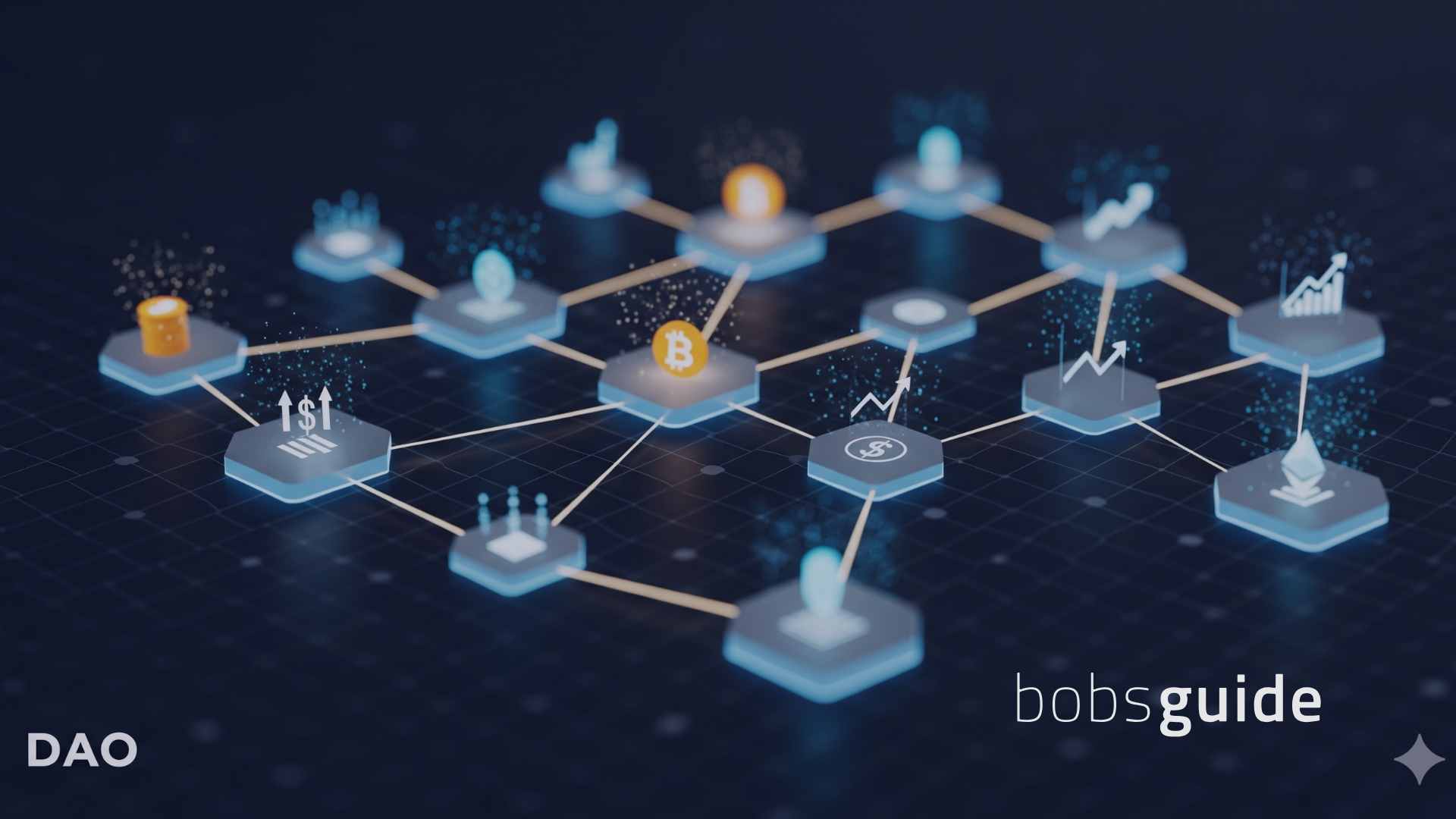
Connect private voting to verified identities through decentralized identity (DID) protocols. Use attestation layers to confirm that voters are human and not sanctioned entities, without exposing their real-world names on-chain. This "proof of personhood" satisfies KYC/AML requirements while keeping the on-chain ledger anonymous to the public.
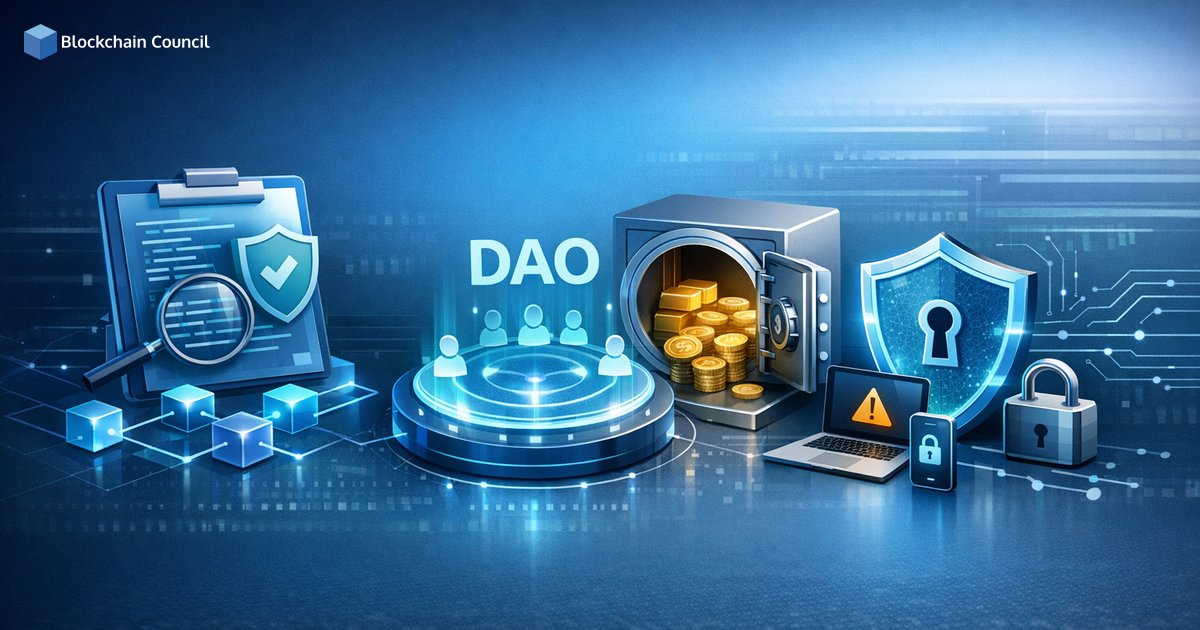
Create secure, permissioned channels for regulators and auditors to view decrypted data when legally required. This "break-glass" mechanism ensures that privacy is not absolute but conditional. It allows authorities to investigate suspicious activity without compromising the privacy of the entire membership base.
Clearly document how privacy is managed in the DAO’s bylaws. Specify the conditions under which data can be decrypted and who holds the keys to the "break-glass" mechanism. Legal clarity here protects the DAO from accusations of operating as a black box, building trust with both members and regulators.
Avoid the weak options
Use this section to make the The DAO Compliance Revolution decision easier to compare in real life, not just on paper. Start with the reader's actual constraint, then separate must-have requirements from details that are merely nice to have. A practical choice should survive normal use, maintenance, timing, and budget. If a recommendation only works in an ideal situation, call that out plainly and give the reader a fallback path.
The simplest way to use this section is to write down the must-have criteria first, then compare each option against those criteria before weighing nice-to-have features.
Confidential daos: what to check next
Confidential DAOs are decentralized organizations that use privacy-preserving smart contracts to shield governance data from public view [src-serp-1]. They rely on zero-knowledge proofs to verify votes without revealing how members cast them [src-serp-3]. This structure supports collective decision-making while protecting member identities [src-serp-4].
What are DAOs and how do they work?
DAOs are organizations run by code rather than people. They use blockchain technology to automate operations and enable collective decision-making without a central authority [src-serp-5]. Members vote on proposals using tokens, and smart contracts execute the results automatically.
What is a DAO in crypto?
In crypto, a DAO is a community-governed entity where token holders vote on treasury spending and protocol changes. Confidential DAOs add a layer of privacy, ensuring that individual voting patterns and wallet balances remain hidden from the public ledger [src-serp-2].
What is an example of a DAO?
Midao is a prominent example of a confidential DAO. It allows members to vote on governance proposals while keeping their choices private, demonstrating how privacy can coexist with transparency in organizational structure [src-serp-6].
Are DAOs safe to invest in?
Investing in DAOs carries significant risk. The code governing them can have vulnerabilities, and regulatory uncertainty remains high. While confidential DAOs protect privacy, they do not eliminate financial or technical risks associated with decentralized protocols.
No comments yet. Be the first to share your thoughts!