Dao compliance 2026 limits to account for
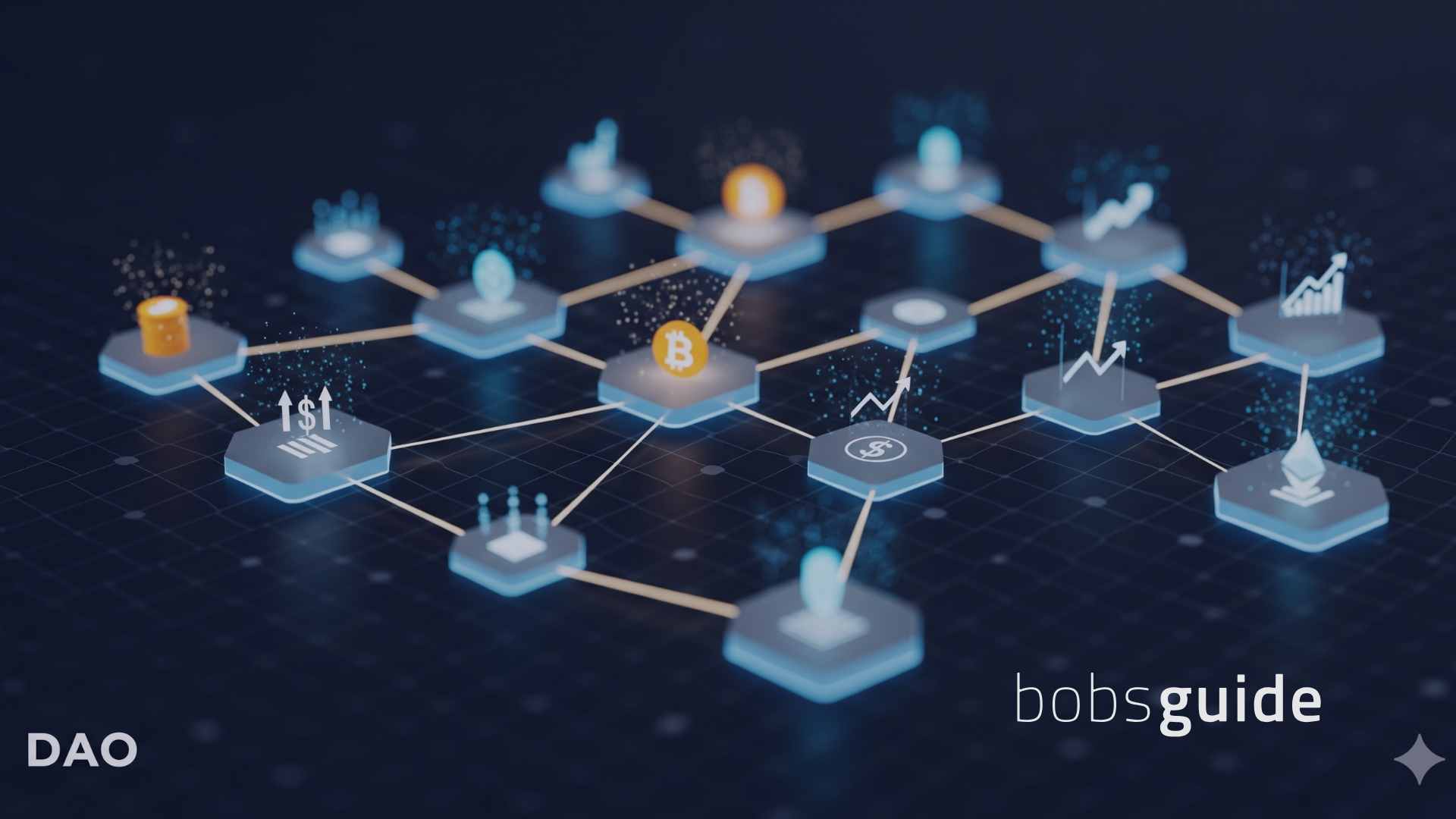
The regulatory environment for decentralized autonomous organizations (DAOs) is shifting from ambiguity to explicit enforcement. By 2026, DAOs face a dual compliance burden: navigating the EU’s Markets in Crypto-Assets (MiCA) regulation and adapting to evolving SEC guidance in the United States. This isn’t just about avoiding fines; it’s about structural survival. Organizations that fail to align their governance mechanisms with these frameworks risk losing legal recognition or facing severe penalties.
The core constraint is the tension between decentralized code and centralized legal liability. MiCA requires clear identification of responsible entities, while the SEC scrutinizes whether a DAO’s token constitutes an unregistered security. Hybrid governance models are emerging as the practical solution, allowing DAOs to maintain decentralization while establishing a legal wrapper—such as a Wyoming DAO LLC or a Swiss association—to handle compliance, taxation, and liability. This legal layer doesn’t replace the smart contract; it sits alongside it, providing the necessary interface for regulators.
For DAO operators, the priority is no longer just building functional code. It is mapping on-chain activity to off-chain legal standards. This includes implementing real-time treasury audits, ensuring voter eligibility meets Know Your Customer (KYC) requirements where necessary, and maintaining transparent records of proposal outcomes. The cost of compliance is high, but the cost of non-compliance is existential. DAOs must treat legal structure as a core protocol upgrade, not an afterthought.
Note: This section outlines regulatory trends and structural challenges. It does not constitute legal advice. Consult a qualified attorney for specific guidance on your DAO’s jurisdiction and activities.
Dao compliance 2026 choices that change the plan
Use this section to make the The DAO Compliance Revolution decision easier to compare in real life, not just on paper. Start with the reader's actual constraint, then separate must-have requirements from details that are merely nice to have. A practical choice should survive normal use, maintenance, timing, and budget. If a recommendation only works in an ideal situation, call that out plainly and give the reader a fallback path.
| Factor | What to check | Why it matters |
|---|---|---|
| Fit | Match the option to the primary use case. | A good deal still fails if it does not fit the job. |
| Condition | Verify age, wear, and service history. | Hidden condition issues erase upfront savings. |
| Cost | Compare purchase price with likely upkeep. | The cheapest option is not always the lowest-cost option. |
Choose the next step
The DAO Compliance Revolution works best as a clear sequence: define the constraint, compare the realistic options, test the tradeoff, and choose the path with the fewest hidden costs. That order keeps the advice usable instead of decorative. After each step, pause long enough to check whether the recommendation still fits the reader's actual situation. If it depends on perfect timing, unusual access, or a best-case budget, include a simpler fallback.

Watch for Common DAO Compliance Mistakes
As MiCA enforcement tightens and the SEC clarifies its stance on decentralized governance, several recurring errors threaten DAO legitimacy. Avoid these pitfalls to maintain operational clarity and regulatory alignment.
Treating Smart Contracts as Legal Shields
Many DAOs assume that immutable code automatically exempts them from traditional legal frameworks. This is incorrect. Regulators increasingly look at the human actors behind the code. If a core team manages the treasury or proposes upgrades, they may be deemed the legal entity. Ensure your bylaws clearly separate technical execution from legal liability.
Ignoring Hybrid Governance Structures
Pure decentralization is rare. Most successful DAOs use hybrid models that blend on-chain voting with off-chain legal wrappers, such as Swiss associations or Wyoming LLCs. Relying solely on a token-weighted vote without a legal anchor can leave contributors personally liable. Adopt a structure that explicitly defines the relationship between the digital community and its legal representative.
Overlooking Treasury Audit Trails
MiCA and IRS guidelines require transparent financial reporting. Mapping on-chain activity to standard accounting practices is no longer optional. Use audit tools to track fund flows and ensure every transaction can be traced to a compliant source. Failure to maintain clear audit trails can trigger investigations into money laundering or tax evasion.
Dao compliance 2026: what to check next
Navigating the intersection of decentralized governance and regulatory frameworks requires clarity on both technical protocols and legal structures. Here are direct answers to the most frequent practical objections and search queries regarding DAO compliance in 2026.
The shift toward hybrid governance models is not just theoretical; it is a practical necessity for longevity. As regulatory scrutiny tightens, the most resilient DAOs are those that bridge on-chain autonomy with off-chain legal accountability, ensuring that their compliance posture matches their technical sophistication.
No comments yet. Be the first to share your thoughts!