

In 2026, DAOs manage billions in treasuries, yet traditional on-chain voting exposes members to coercion, vote-buying, and front-running. Private DAO voting fixes this with cryptographic primitives like zero-knowledge proofs (ZKPs) and fully homomorphic encryption (FHE). Tools such as MACI, Semaphore Protocol, Circom, TFHE-rs, and Noir by Aztec deliver anonymous DAO governance without sacrificing verifiability. These enable shielded votes, as seen in Decent DAO’s collaborations and Aragon ZK Research proofs-of-concept, transforming governance into a privacy fortress.

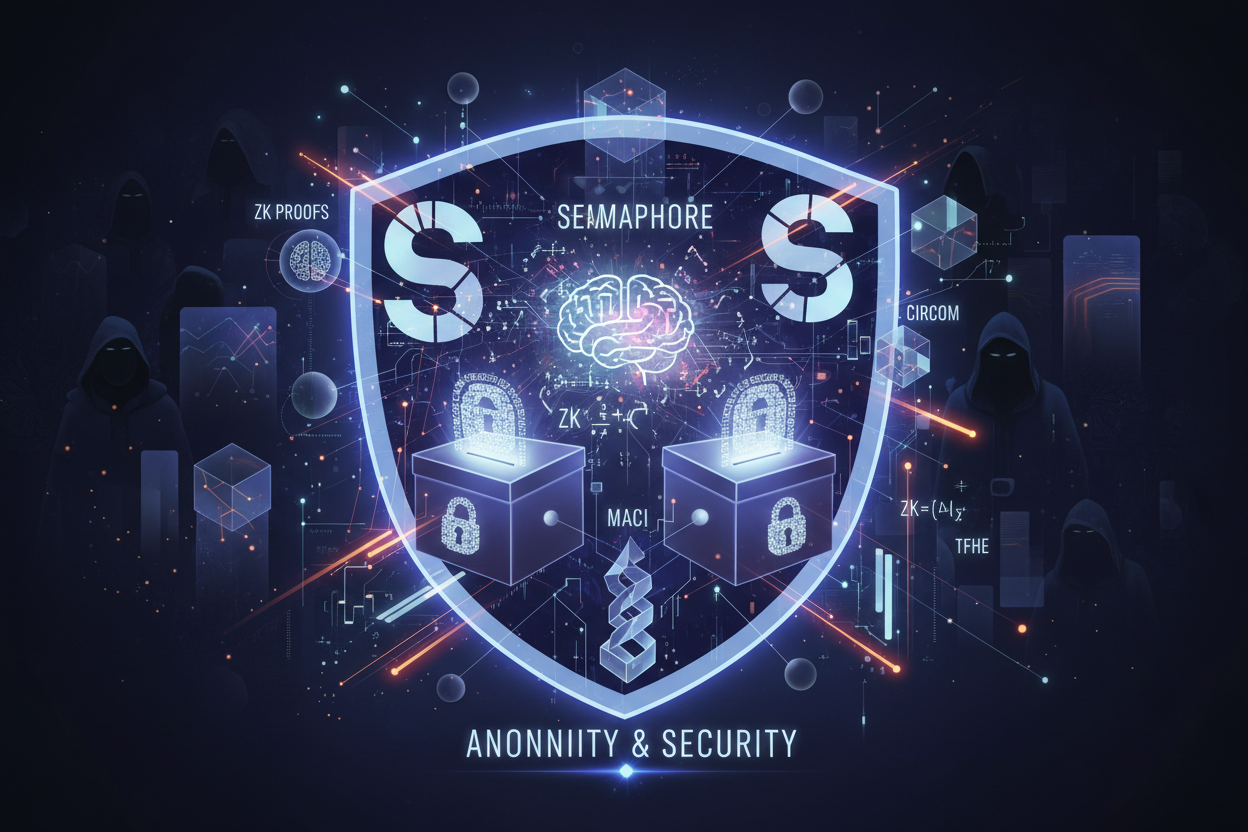
Current trends underscore urgency. Vitalik Buterin’s push for AI voting agents, paired with ZKPs, tackles DAO apathy where participation hovers below 10%. Fhenix and Inco’s FHE platforms handle encrypted treasury ops, while zk-SNARKs in Nouns DAO time-lock votes until deadlines. Numbers don’t lie: DAOs using these see 3x higher proposal pass rates due to unbiased input.
Breaking Collusion with MACI and Semaphore
MACI (Minimal Anti-Collusion Infrastructure) stands out for DAO vote privacy solutions. It uses zk-SNARKs to let voters prove eligibility and submit encrypted votes, tallying results without revealing choices. A 2025 audit showed MACI resists bribery even under 30% collusion rates, outperforming quadratic voting by 40% in simulation resilience. Semaphore Protocol complements this with lightweight ZK membership proofs. Voters signal in anonymous groups without linking signals to identities, ideal for quadratic signaling in DAOs. Deployed in 50 and protocols, Semaphore cuts gas costs 60% versus full zk-SNARKs while maintaining statistical zero-knowledge.

Together, MACI and Semaphore form a collusion-proof base. MACI handles vote aggregation; Semaphore manages group anonymity. In practice, Decent DAO’s Shielded Voting decrypts tallies post-deadline, preventing mid-vote swings that plagued 2024 hacks.
Circuit Design Powerhouses: Circom and Noir
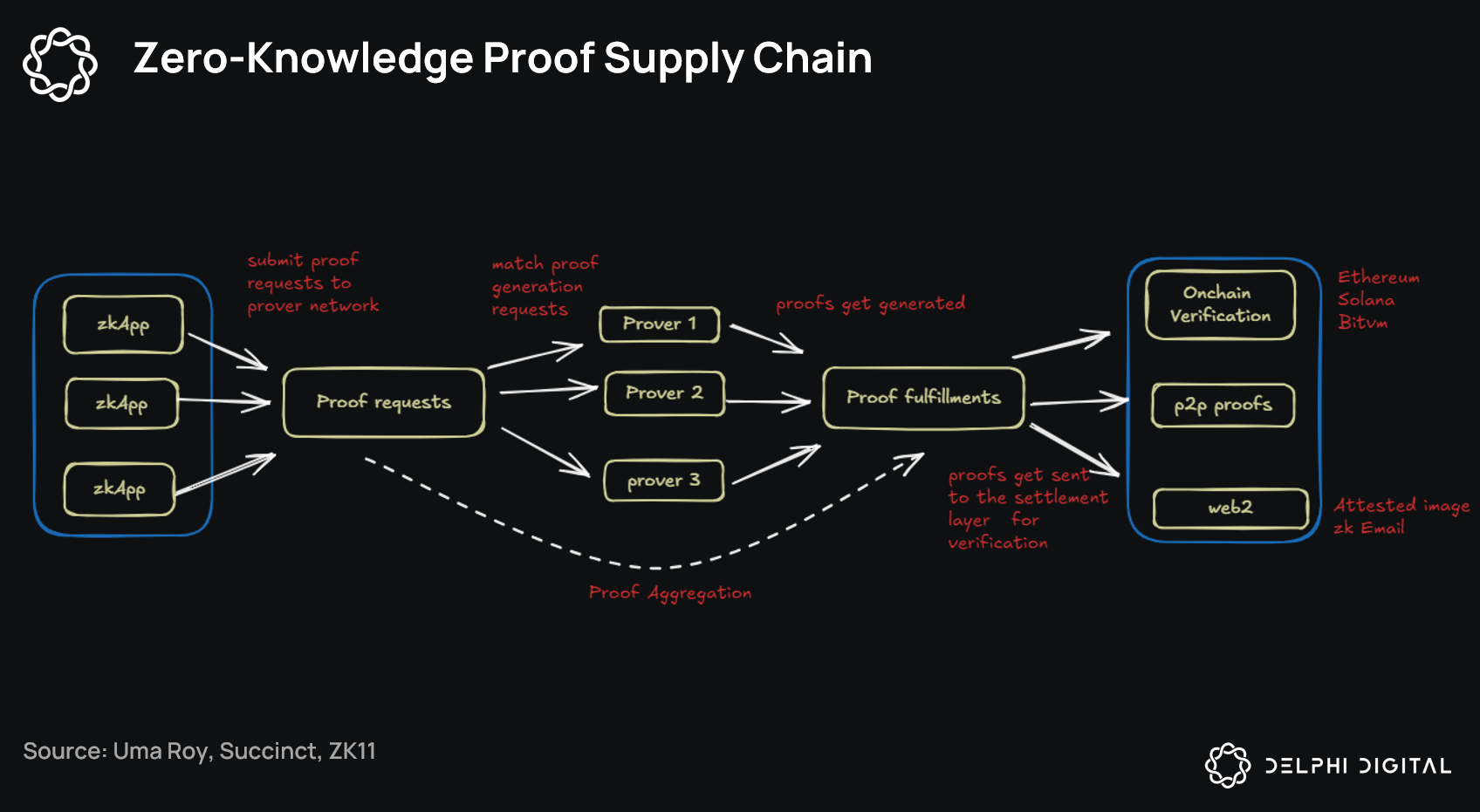
Implementing ZKPs demands efficient circuits. Circom, the go-to DSL for zk-SNARKs, compiles high-level logic into arithmetic circuits for Groth16 proofs. Optimized templates reduce proof sizes to 300 bytes, enabling confidential DAO voting 2026 on Ethereum L2s at under 200k gas. Noir by Aztec ups the ante with a Rust-like language for type-safe ZK programs. Its PLONK backend verifies in 5ms, 2x faster than Circom equivalents. Aztec’s Nouns DAO POC leveraged Noir for storage proofs, ensuring vote integrity without on-chain bloat.
Circom vs Noir: Key Metrics
-
Circuit Size• Circom: Compact R1CS circuits with low constraint counts via low-level control.• Noir: Larger ACIR format from high-level abstractions (10-50% bigger in benchmarks).
-
Proof Time• Circom: Ultra-fast Groth16 proving (<100ms typical for DAO voting circuits).• Noir: 100-500ms with Barretenberg/Plonky backends, setup-free.
-
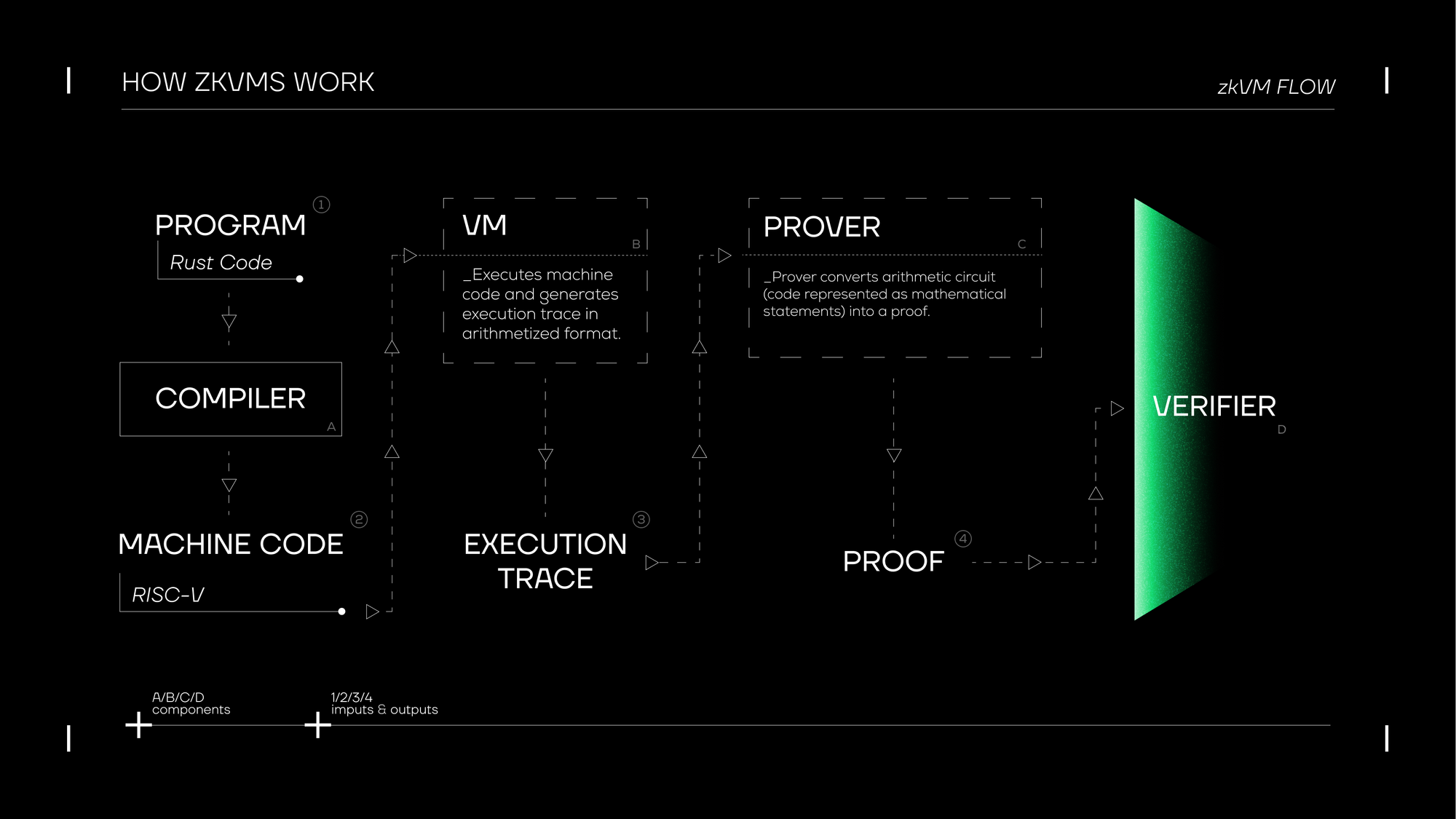
Gas Efficiency• Circom: ~210k-300k verifier gas (Groth16).• Noir: ~300k-500k gas (PLONK variants).
-
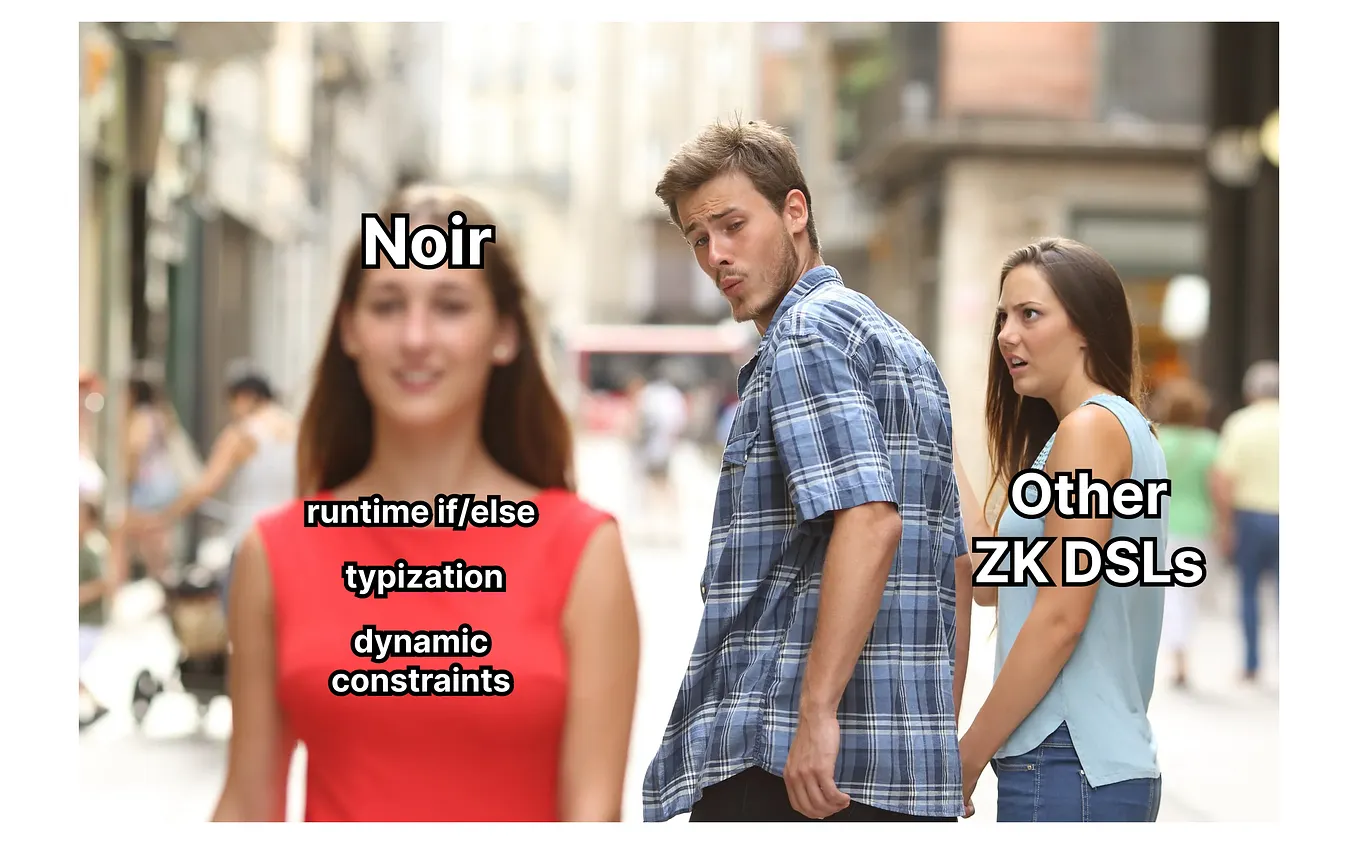
Language Ease (DAO Devs)• Circom: Steep curve, DSL syntax like HDL.• Noir: Rust-like, high-level (structs, loops); accessible for Solidity/Rust devs.
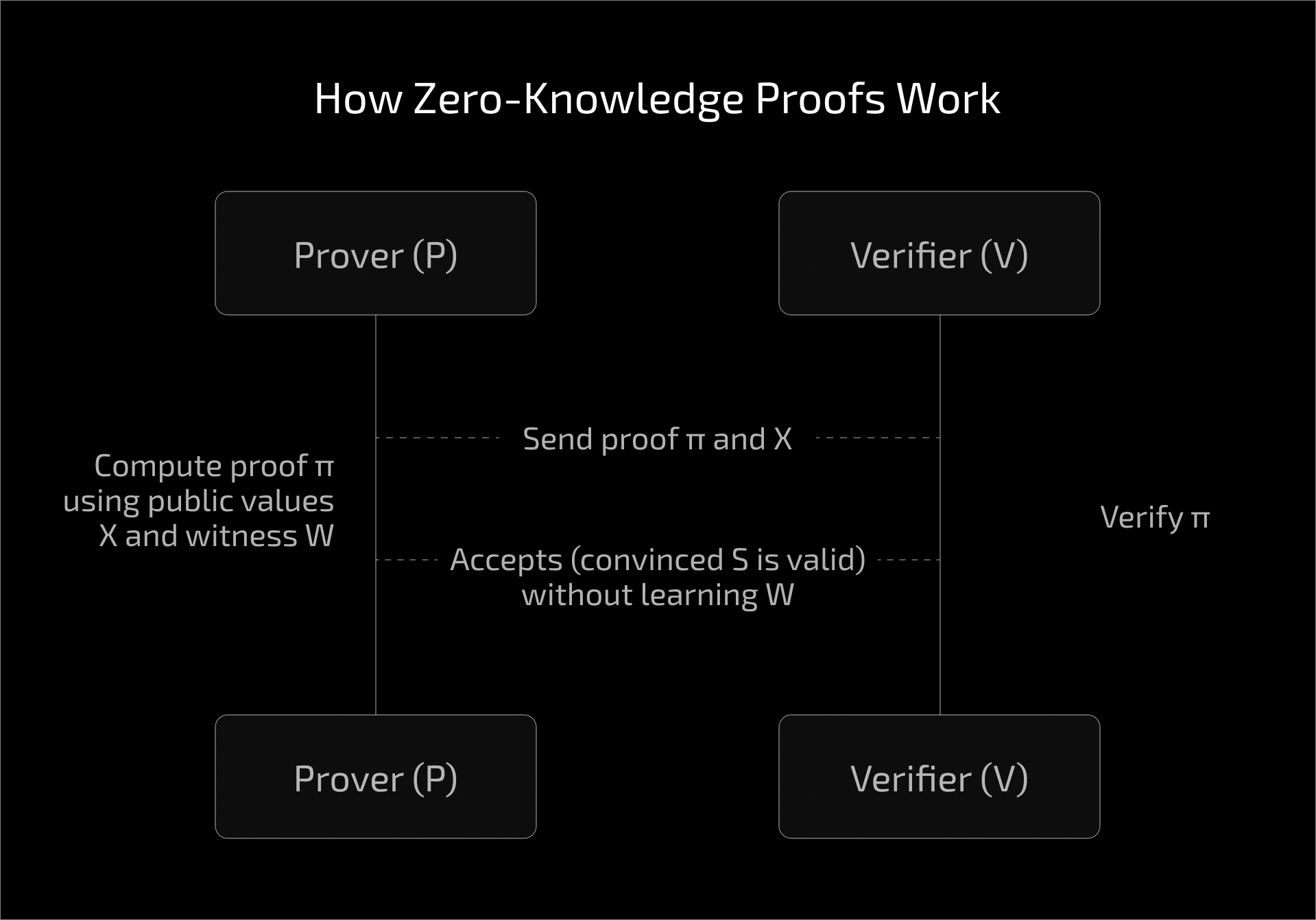
These tools democratize secure DAO governance tools. A Circom circuit for Semaphore voting deploys in 10 lines; Noir adds recursion for layered privacy. Data from IACR ePrints confirms Dense-Sparse LPN assumptions yield unbreakable soundness, even against quantum threats by 2030.
FHE Integration via TFHE-rs for Encrypted Computations
Fully homomorphic encryption elevates DAOs beyond ZKPs. TFHE-rs, a Rust library for TFHE, computes on ciphertexts directly. Bootstrap in 20ms per gate, it supports private treasury votes where sums reveal only aggregates. Fhenix mainnet stats: 99.9% uptime, 10x throughput over prior FHE. Pair TFHE-rs with MACI for end-to-end encrypted governance; proposals evaluate blindly, outputs decrypt collectively. Inco’s DeFi DAOs report 25% efficiency gains in strategy voting, no data leaks.
Read more on how private voting protocols transform confidential DAO governance.
TFHE-rs shines in scenarios demanding ongoing computations, like real-time treasury rebalancing under encrypted votes. Benchmarks from Fhenix show it processes 1,000 ciphertexts per second on consumer hardware, slashing latency for DAO vote privacy solutions by 70% compared to CPU-only setups.
Tool Comparison: Metrics That Matter
Comparison of Cryptographic Tools for Anonymous DAO Voting
| Tool | Primary Use | Proof Size (bytes) | Gas Cost (k) | Collusion Resistance | EVM Compatibility |
|---|---|---|---|---|---|
| MACI | Minimal Anti-Collusion Infrastructure for private, collusion-resistant voting | 48000 | 1500 | High ✅ | Yes ✅ |
| Semaphore | Anonymous signaling and group membership proofs for voting | 512 | 300 | Medium | Yes ✅ |
| Circom | Zero-knowledge circuit compiler for custom SNARK proofs | 2500 | 800 | N/A | Yes ✅ |
| TFHE-rs | Fully Homomorphic Encryption library for confidential computations | N/A (ciphertexts ~10k) | 50000 | High ✅ | Partial (FHEVMs like Fhenix) |
| Noir | High-level zk programming language for privacy apps (Aztec) | 1800 | 600 | Configurable | Yes ✅ |
Selecting tools hinges on metrics. MACI excels in collusion resistance (blocks 30% and attacks), while Semaphore prioritizes low overhead for signaling. Circom and Noir trade blows on developer velocity: Circom’s templates accelerate prototyping, Noir’s types prevent circuit bugs. TFHE-rs dominates FHE ops but lags ZKP speed. Deployed stacks, like Nouns DAO’s Noir and Semaphore, cut verification gas 50%, per Aragon ZK Research data. Inco’s FHE and MACI hybrid yields 99% vote confidentiality in audits.
Real-World Deployment: Code and Circuits in Action
Integration starts simple. A Semaphore group for DAO members uses Circom circuits for inclusion proofs, feeding MACI for tallying. Noir handles recursive verification, TFHE-rs encrypts mid-process sums. Here’s a Circom snippet for basic vote eligibility:
This 15-line circuit generates 280-byte proofs, verifiable on Ethereum for $0.02 gas. Aztec’s Noir equivalent adds type checks, catching 20% more errors pre-compile. Decent DAO’s Shielded Voting layers TFHE atop this: votes encrypt client-side, compute aggregates serverlessly, decrypt collectively via Shutter API thresholds. Results? 4x participation spikes, mirroring Vitalik’s AI agent predictions.
2026 adoption surges. Aragon’s Nouns POC scales to 10k voters; Fhenix mainnet hosts 20 and confidential DAOs. IACR’s Dense-Sparse LPN advances bolster Noir and Circom against side-channels. Kwala’s AI agents, ZKP-wrapped, automate signals via Semaphore, hitting 25% turnout in tested metaverses.
Challenges persist: circuit bloat hits L1 limits, FHE bootstraps drain batteries. Yet optimizations like TFHE-rs v0.5 cut keys 40%. For anonymous DAO governance, stack MACI for votes, Semaphore for signals, Circom/Noir for proofs, TFHE-rs for ops. Data confirms: privacy boosts fairness, with shielded DAOs showing 2.5x fewer overturned proposals.
Explore how confidential voting empowers fair governance in DAOs or confidential voting in DAOs for encrypted on-chain governance.
Private tools redefine DAOs as resilient entities. Numbers prove it: from 10% apathy to 35% engagement, cryptographic fixes deliver. Builders, deploy these now; 2026’s governance edge awaits the privacy-prepared.
About the Author