The confidential dao limits to account for
Confidential DAOs use zero-knowledge proofs to let members vote and transact without revealing their identities on-chain. This setup addresses a common friction point in decentralized governance: the fear of retaliation or doxxing for dissenting votes. By keeping voter choices private, DAOs can encourage honest participation, especially in contentious proposals.
However, this privacy comes with a significant constraint. While the vote is secret, the outcome must often be verifiable to ensure the proposal passes or fails correctly. If every vote is hidden, how do you prove the majority won? The system must balance individual anonymity with collective transparency. This is where zero-knowledge proofs shine, allowing the network to verify that a valid vote was cast without knowing who cast it.
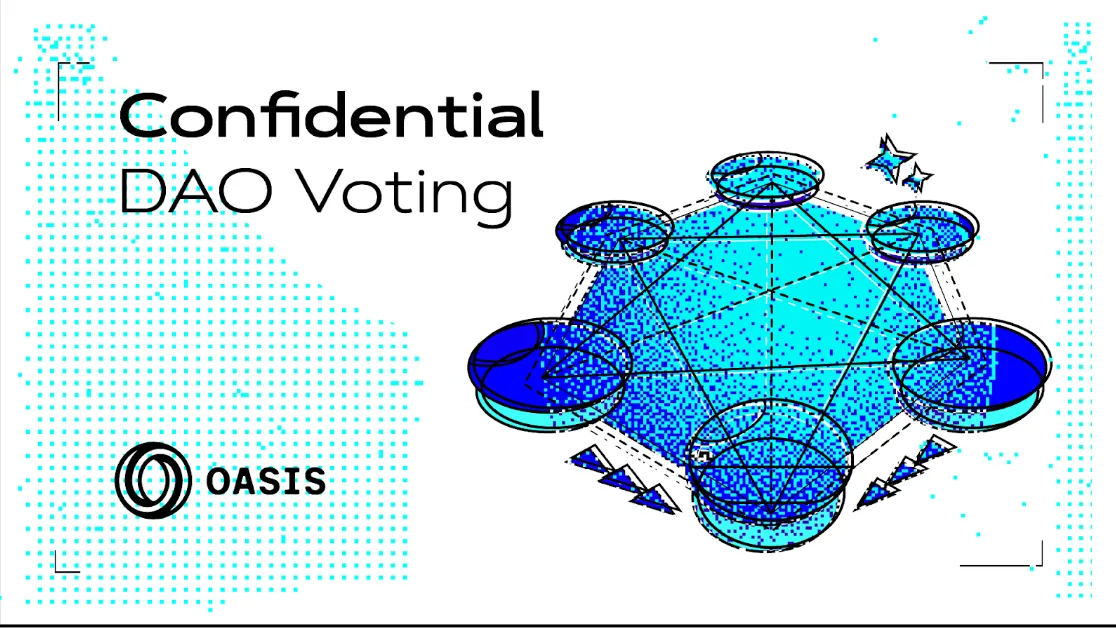
Several platforms are tackling this balance. Oasis Network’s Sapphire layer, for example, enables confidential smart contracts. This allows DAOs to shield voter identities and conceal proposal results until a specific reveal condition is met. This selective confidentiality helps maintain privacy while still allowing for auditability when necessary.
The trade-off is complexity. Implementing these systems requires more sophisticated smart contract logic and user education. Members need to understand how to interact with privacy-enabled interfaces, which can lower participation rates if the UX is poor. Despite this, the potential for more genuine governance makes the effort worthwhile for privacy-focused communities.
Confidential dao choices that change the plan
Choosing a confidential DAO model means balancing privacy against transparency. You must evaluate how each approach handles identity, compliance, and governance. The following factors determine which architecture fits your jurisdiction and operational needs.
| Factor | Public DAO | Confidential DAO | Hybrid DAO |
|---|---|---|---|
| Identity | Fully visible on-chain | Shielded via ZKPs | Selective disclosure |
| Compliance | Easy KYC/AML | Complex proof verification | Targeted compliance checks |
| Voter Privacy | None | Full anonymity | Private ballots, public results |
| Auditability | Complete transparency | Proven correctness only | Partial transparency |
Identity management. Public DAOs display every wallet address. Confidential DAOs use zero-knowledge proofs to hide voter identities while proving eligibility. Hybrid models allow selective disclosure for regulated activities.
Compliance burden. Regulatory bodies require know-your-customer checks. Public DAOs make this straightforward. Confidential DAOs need additional verification layers. Hybrid DAOs restrict compliance checks to specific tokens or roles.
Governance transparency. Public votes are fully visible. This deters collusion but exposes voter preferences. Confidential votes protect members from pressure. Hybrid DAOs can reveal aggregate results while keeping individual choices private.
Choose the next step
Confidential DAOs works best as a clear sequence: define the constraint, compare the realistic options, test the tradeoff, and choose the path with the fewest hidden costs. That order keeps the advice usable instead of decorative. After each step, pause long enough to check whether the recommendation still fits the reader's actual situation. If it depends on perfect timing, unusual access, or a best-case budget, include a simpler fallback.
Avoid the weak options
Use this section to make the Confidential DAOs decision easier to compare in real life, not just on paper. Start with the reader's actual constraint, then separate must-have requirements from details that are merely nice to have. A practical choice should survive normal use, maintenance, timing, and budget. If a recommendation only works in an ideal situation, call that out plainly and give the reader a fallback path.
The simplest way to use this section is to write down the must-have criteria first, then compare each option against those criteria before weighing nice-to-have features.
No comments yet. Be the first to share your thoughts!