The transparency privacy conflict
Public blockchains were designed for accountability, but that same openness creates a legal liability for organizations. In a standard DAO, every vote, treasury movement, and token holding is permanently visible on the ledger. This transparency clashes directly with GDPR rights, particularly the right to erasure, and corporate governance norms that require confidentiality for sensitive strategic decisions.
The core tension lies in the irreversibility of blockchain data. Once a voter’s identity is linked to a transaction through wallet analysis, it cannot be deleted. This makes compliant governance nearly impossible under current frameworks, as organizations cannot guarantee the privacy of their members or protect proprietary voting patterns from competitors.
Confidential DAOs emerge as the technical solution to this paradox. By leveraging Trusted Execution Environments (TEEs) like those found in Oasis Sapphire, these systems encrypt sensitive data within a secure hardware enclave. This allows the network to verify the integrity of votes and transactions without exposing the underlying details to the public.
This architectural shift separates verification from visibility. The network can confirm that a voter holds the necessary tokens and that their vote was counted correctly, without revealing who they are or how they voted. This enables organizations to maintain the security benefits of blockchain while meeting legal requirements for data protection.
Comparing privacy architectures
Building a confidential DAO requires selecting a technical foundation that balances computational efficiency with cryptographic assurance. The two dominant approaches are Trustless Execution Environments (TEEs) and Zero-Knowledge Proofs (ZKPs). While both enable privacy, they rely on fundamentally different trust models and offer distinct trade-offs for legal compliance and scalability.
TEEs, such as those provided by Oasis Sapphire, use hardware-based isolation to protect data in use. This approach is computationally efficient, allowing for real-time processing of confidential transactions and voting. However, it requires a degree of trust in the hardware manufacturer and the attestation process. ZKPs, by contrast, rely on mathematical proofs to verify computations without revealing underlying data. This offers stronger privacy guarantees and eliminates hardware trust assumptions, but often at the cost of significant computational overhead and complexity.
The table below outlines the core differences between these architectures across key dimensions relevant to governance and compliance.
| Category | TEE (e.g., Oasis Sapphire) | Zero-Knowledge Proofs |
|---|---|---|
| Trust Model | Hardware-based; requires trust in manufacturer | Mathematical; no hardware trust required |
| Scalability | High; efficient for real-time execution | Lower; high computational overhead |
| Privacy Level | Strong; data hidden in enclave | Strong; data hidden via proofs |
| Legal Compliance | Moderate; hardware attestation required | High; verifiable without data exposure |
| Development Complexity | Lower; standard smart contract patterns | Higher; specialized proof generation |
For DAOs requiring high-frequency transactions or complex on-chain logic, TEEs often provide a more pragmatic path to confidentiality. Implementations like Oasis Sapphire allow DAOs to shield voter identities and conceal proposal results while maintaining the ability to selectively apply confidentiality to specific data points. This flexibility is critical for governance structures that need to balance transparency with member privacy.
ZKPs remain the preferred choice for applications where trust minimization is paramount. By generating a proof that a computation was performed correctly without revealing the inputs, ZKPs offer a robust solution for scenarios requiring absolute data secrecy. However, the current computational costs and development complexity may limit their suitability for large-scale, real-time DAO operations.
How confidential voting works in practice
Implementing confidential voting requires a system that separates the identity of the voter from the validity of the vote. In traditional blockchain governance, every transaction is public, making it impossible to prevent vote buying or coercion without sacrificing transparency. Confidential voting solves this by using Trusted Execution Environments (TEEs), such as those found in Oasis Sapphire, to process votes in a secure, isolated hardware enclave. Inside this enclave, the system verifies that the voter is eligible and that their vote is valid, but the actual cast remains encrypted and hidden from the outside world until the tally is complete.
The process follows a strict sequence to ensure both privacy and auditability:

Before the vote reaches the blockchain, the voter’s choice is encrypted on their device using a public key associated with the DAO’s governance contract. This ensures that no intermediate node, including the blockchain validator, can see the content of the vote. The encryption is mathematically bound to the voter’s identity, allowing the system to verify eligibility without revealing who cast the ballot.
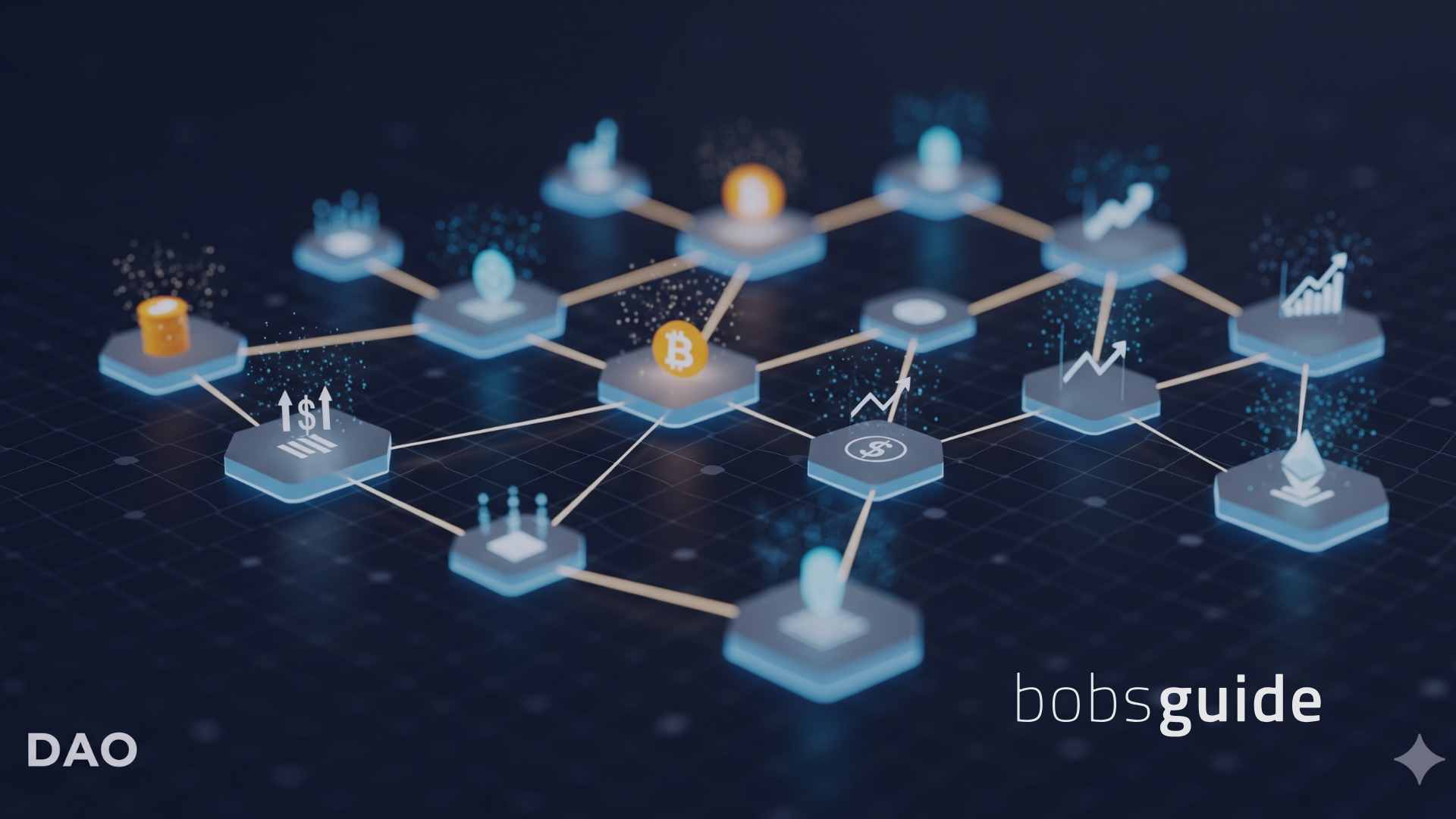
The encrypted vote is submitted to a smart contract running inside a TEE. The enclave checks the voter’s credentials against the on-chain registry. If the voter is eligible, the TEE decrypts the vote internally, tallies it, and then re-encrypts the result. The TEE generates a cryptographic proof that the vote was valid and counted correctly, without ever exposing the voter’s identity or the specific vote choice.
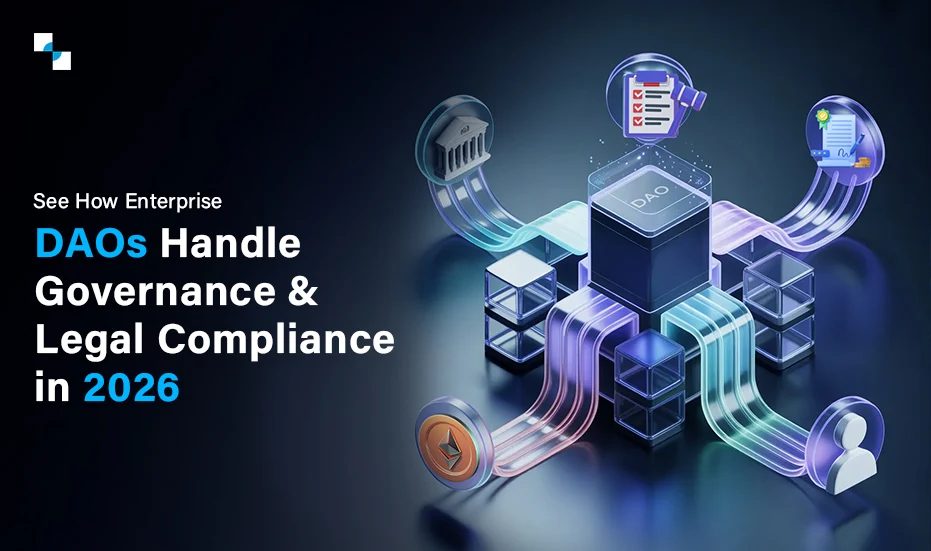
Once the voting period ends, the TEE publishes the encrypted tally and the cryptographic proof to the public blockchain. Anyone can verify the proof to ensure that the tally is accurate and that no invalid votes were included. This step maintains the integrity of the process, allowing regulators and auditors to confirm that the rules were followed without compromising the anonymity of individual voters.
The final result is revealed on-chain. Because the proof was verified beforehand, the outcome is accepted as legitimate. This allows the DAO to execute decisions based on a fair, coercion-resistant vote while maintaining the privacy standards required for sensitive corporate or legal governance.
This architecture, pioneered by platforms like Oasis Network, demonstrates that privacy and compliance are not mutually exclusive. By relying on hardware-based security rather than complex zero-knowledge cryptography, these systems offer a more accessible path for organizations that need to balance transparency with the need for confidential decision-making.
How confidential DAOs handle legal compliance
The central tension for confidential DAOs is balancing privacy with the regulatory requirement to identify members. Traditional Decentralized Autonomous Organizations (DAOs) often struggle with KYC/AML obligations because pseudonymity makes it difficult to verify identity without exposing all transaction history. Confidential DAOs solve this by using Zero-Knowledge Proofs (ZKPs) within Trusted Execution Environments (TEEs), allowing the network to verify that a participant is compliant without revealing their personal data on-chain.
Oasis Sapphire provides a primary example of this technical feasibility. Its built-in TEEs encrypt smart contract state, meaning the contract logic can check if a user has passed a KYC check performed by a trusted oracle. The blockchain records only the proof of compliance, not the identity documents themselves. This architecture aligns with data protection laws like GDPR, which mandate data minimization. By keeping sensitive personal information off the public ledger, confidential DAOs reduce the risk of data breaches and unauthorized profiling.
| Feature | Traditional DAO | Confidential DAO |
|---|---|---|
| Identity Verification | Manual or off-chain | ZK-proof on-chain |
| Data Privacy | Pseudonymous but public | Encrypted state |
| Regulatory Fit | Low | High |
Legal experts note that this shift moves compliance from a reactive audit to a proactive technical constraint. Instead of waiting for regulators to demand identity records, the protocol enforces compliance at the transaction level. This reduces legal liability for DAO operators and creates a clearer path for institutional adoption. As regulatory frameworks evolve, confidential DAOs are positioned to meet stricter standards without sacrificing the core benefits of decentralization.
Choosing a confidential DAO stack
Selecting the right architecture requires balancing privacy guarantees with regulatory compliance. TEE-based solutions like Oasis Sapphire offer high throughput and lower complexity, making them suitable for governance tasks such as confidential voting where voter identity and proposal results remain shielded. This approach allows DAOs to selectively apply confidentiality without the computational overhead of zero-knowledge proofs.
ZKP-based stacks provide stronger cryptographic privacy but introduce significant latency and cost. Hybrid models attempt to merge the scalability of TEEs with the verifiability of ZKPs. Builders must evaluate their specific use case: if the primary goal is scalable, compliant governance, TEEs often provide the most practical path forward. For high-value asset transfers requiring absolute proof of compliance without revealing transaction details, ZKPs may be necessary despite the performance trade-offs.
Evaluation framework
When comparing stacks, focus on these core dimensions:
| Dimension | TEE (e.g., Oasis Sapphire) | ZKP Stack | Hybrid |
|---|---|---|---|
| Privacy Level | Hardware-bound, trusted execution | Cryptographic, mathematically proven | Mixed approach |
| Scalability | High throughput, low latency | Lower throughput, higher latency | Variable |
| Compliance Complexity | Moderate (audit hardware attestation) | High (complex proof verification) | Complex integration |
| Cost | Lower transaction fees | Higher proof generation costs | Variable |
Pre-launch checklist
Before deploying a confidential DAO, ensure the following technical and legal requirements are met:
No comments yet. Be the first to share your thoughts!