How Confidential DAOs Work Under New Regulations
Confidential DAOs address a core tension in decentralized governance: the need for transparent compliance versus the desire for private voting. Traditional on-chain votes expose member identities and choices to everyone, creating risks of voter coercion or regulatory scrutiny. Confidential DAOs solve this by using zero-knowledge proofs and encrypted smart contracts to verify eligibility and tally results without revealing individual votes.
This approach allows organizations to meet anti-money laundering (AML) and know-your-customer (KYC) requirements while preserving the anonymity of their participants. For example, a DAO can prove that a voter is a verified member without disclosing their wallet address or voting preference. This selective transparency is critical for navigating global regulations that vary significantly across jurisdictions.
Implementing these systems requires careful architectural choices. Projects like Oasis Network provide infrastructure for privacy-enabled contracts that shield voter identities and conceal proposal results. By integrating these technologies, DAOs can create a compliance layer that satisfies regulators without compromising the decentralized ethos of the community. The result is a governance model that is both secure and legally defensible.
Confidential daos choices that change the plan
Use this section to make the The DAO Compliance Revolution decision easier to compare in real life, not just on paper. Start with the reader's actual constraint, then separate must-have requirements from details that are merely nice to have. A practical choice should survive normal use, maintenance, timing, and budget. If a recommendation only works in an ideal situation, call that out plainly and give the reader a fallback path.
| Factor | What to check | Why it matters |
|---|---|---|
| Fit | Match the option to the primary use case. | A good deal still fails if it does not fit the job. |
| Condition | Verify age, wear, and service history. | Hidden condition issues erase upfront savings. |
| Cost | Compare purchase price with likely upkeep. | The cheapest option is not always the lowest-cost option. |
Choose the Right DAO Compliance Path
Deciding how to structure a DAO for the 2026 regulatory landscape requires balancing transparency with privacy. Confidential DAOs offer a way to shield voter identities and conceal proposal results, but they introduce complex security requirements. Use this framework to select the path that aligns with your jurisdiction and risk tolerance.

Before implementing any technology, map the legal requirements of your primary operating jurisdiction. The EU’s MiCA regulations and the US SEC’s stance on securities classification dictate whether you can operate as a decentralized entity or must register as a legal wrapper. Identify which jurisdictions permit anonymous governance and which require Know Your Customer (KYC) checks for all participants.
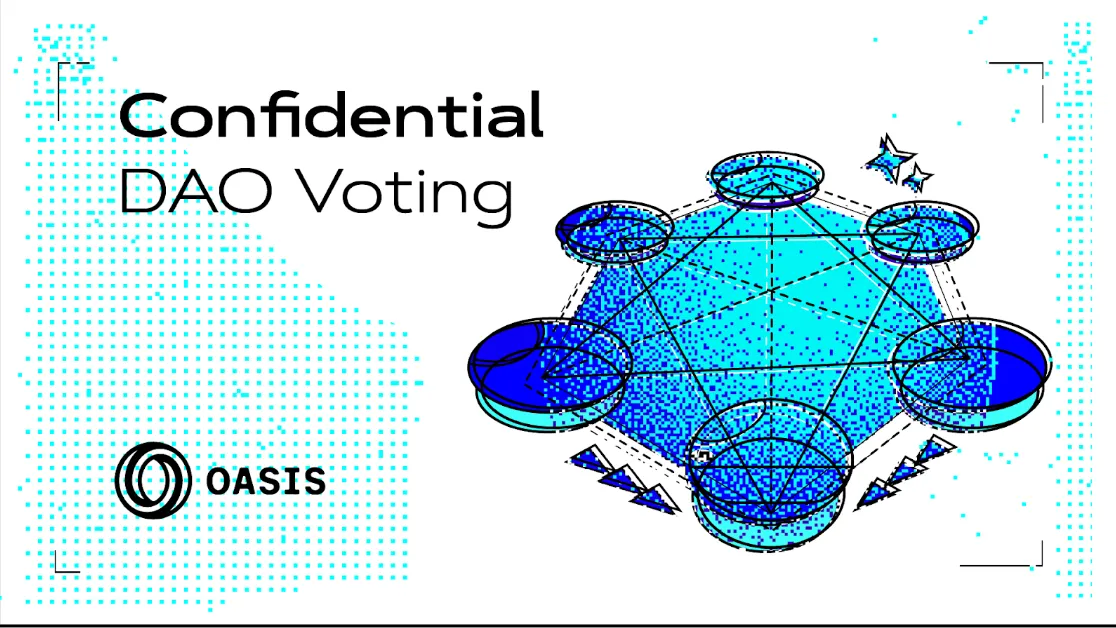
Choose between on-chain privacy (zero-knowledge proofs) and off-chain voting. On-chain methods, like those used by Oasis Network, allow voters to hide their identities while proving eligibility. This approach maintains full auditability for regulators while protecting user privacy. Off-chain voting is simpler but requires trusted third-party servers, creating a single point of failure and potential compliance gaps.
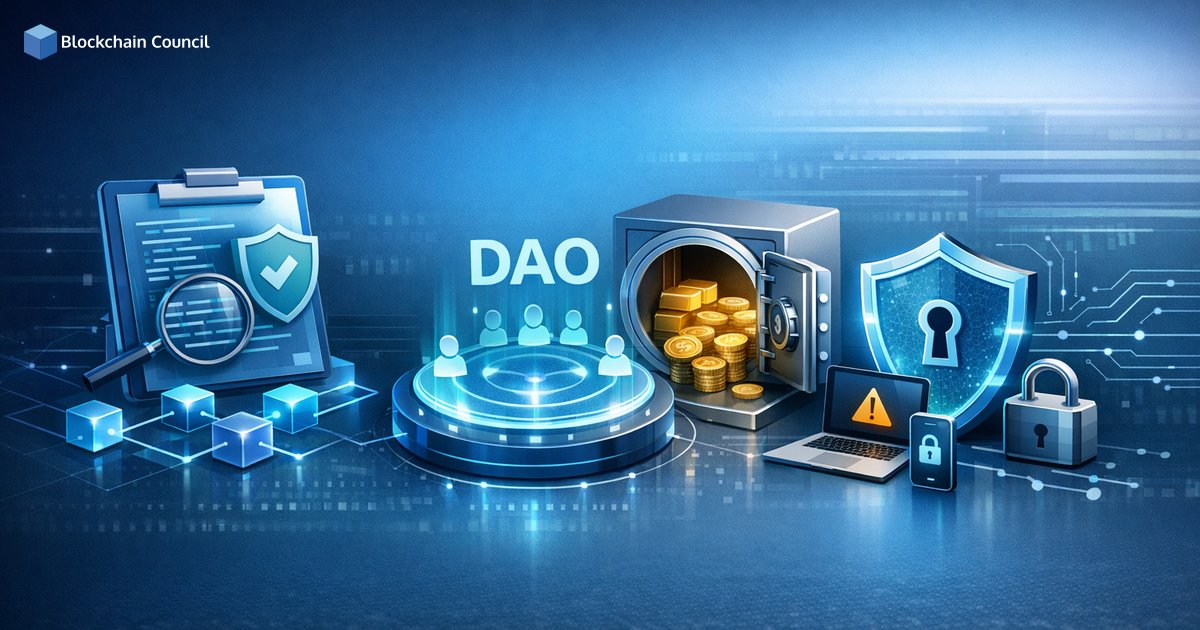
Privacy tools increase attack surfaces. Ensure your smart contracts separate authentication from authorization, as recommended by DAOS v2.6 standards. This separation minimizes the impact of potential exploits on the input/output path. Regularly audit your privacy stack to prevent front-running attacks or identity leakage through metadata analysis.

Regulators need verifiable proof that your DAO is not facilitating illicit activity. Implement selective disclosure mechanisms that allow you to provide KYC data to authorities without exposing it to the public. This "proof of compliance" layer acts as a bridge between your private governance and public legal obligations, ensuring you can demonstrate adherence to anti-money laundering (AML) laws.
-
Identify primary operating jurisdiction
-
Select on-chain or off-chain privacy model
-
Audit smart contract security
-
Implement selective disclosure for regulators
Spotting the Weak Options in DAO Compliance
Confidential DAOs offer a path to regulatory alignment by shielding voter identities and proposal details, but the technology is not a magic shield. Many teams mistake privacy for anonymity, assuming that technical obfuscation alone satisfies global regulations. This misunderstanding creates significant compliance gaps.
The core risk lies in confusing confidentiality with lack of accountability. While privacy-enabled contracts can conceal who voted how, they must still allow for selective disclosure when required by law. Without proper access controls, a DAO might hide data from regulators just as effectively as it hides it from members, triggering legal scrutiny.
Teams often overlook the separation between authentication and authorization. A robust security model must distinguish between verifying a member's identity and determining their voting rights. If these layers are conflated, the DAO becomes vulnerable to both external attacks and internal governance failures.
Finally, assume that "compliance-ready" features are not plug-and-play. Configuring selective confidentiality requires precise setup to ensure that privacy does not violate transparency mandates in specific jurisdictions. Always verify your configuration against the latest official guidelines rather than relying on default settings.
Confidential daos: what to check next
Confidential DAOs use zero-knowledge proofs and encrypted voting to navigate global regulations while protecting voter privacy. This approach allows organizations to comply with transparency mandates without exposing individual member identities to public scrutiny.
No comments yet. Be the first to share your thoughts!