The reality of confidential DAOs
Confidential DAOs aim to solve the privacy paradox in decentralized governance. While traditional on-chain voting leaves every token balance and vote visible to the public, confidential DAOs use cryptography to shield voter identities and proposal details. This approach allows organizations to make decisions without exposing sensitive strategic information or enabling vote-buying pressure.
The technology relies on advanced methods like homomorphic encryption, which permits computations on encrypted data without decrypting it first. As noted by Zama, this enables the creation of voting systems where the final tally is public, but individual inputs remain hidden. Similarly, platforms like Oasis provide privacy-enabled contracts that shield voter identities and conceal survey results, selectively applying confidentiality where it matters most.
However, this privacy comes with significant regulatory trade-offs. Many jurisdictions now require transparent beneficial ownership records to combat money laundering. A fully anonymous DAO may struggle to comply with emerging global standards, such as the EU’s Markets in Crypto-Assets (MiCA) regulation or the FATF’s travel rule for virtual assets. Organizations must balance the desire for anonymity with the legal necessity of know-your-customer (KYC) checks.
Before adopting confidential governance, assess whether your community truly needs privacy. For most public-facing organizations, standard on-chain transparency offers better trust and compliance. Reserve confidential voting for sensitive internal decisions, such as treasury allocation or executive hiring, where privacy protects members from external coercion.
The trend is shifting toward "selective transparency," where some data is public and other parts are encrypted. This hybrid model allows DAOs to maintain regulatory compliance while protecting member privacy. As global regulations tighten, the ability to prove compliance without revealing every detail will become a key differentiator for mature DAOs.
Confidential daos choices that change the plan
Use this section to make the The DAO Compliance Revolution decision easier to compare in real life, not just on paper. Start with the reader's actual constraint, then separate must-have requirements from details that are merely nice to have. A practical choice should survive normal use, maintenance, timing, and budget. If a recommendation only works in an ideal situation, call that out plainly and give the reader a fallback path.
| Factor | What to check | Why it matters |
|---|---|---|
| Fit | Match the option to the primary use case. | A good deal still fails if it does not fit the job. |
| Condition | Verify age, wear, and service history. | Hidden condition issues erase upfront savings. |
| Cost | Compare purchase price with likely upkeep. | The cheapest option is not always the lowest-cost option. |
Choose the next step
The DAO Compliance Revolution works best as a clear sequence: define the constraint, compare the realistic options, test the tradeoff, and choose the path with the fewest hidden costs. That order keeps the advice usable instead of decorative. After each step, pause long enough to check whether the recommendation still fits the reader's actual situation. If it depends on perfect timing, unusual access, or a best-case budget, include a simpler fallback.

Spotting Weak Options in Confidential DAOs
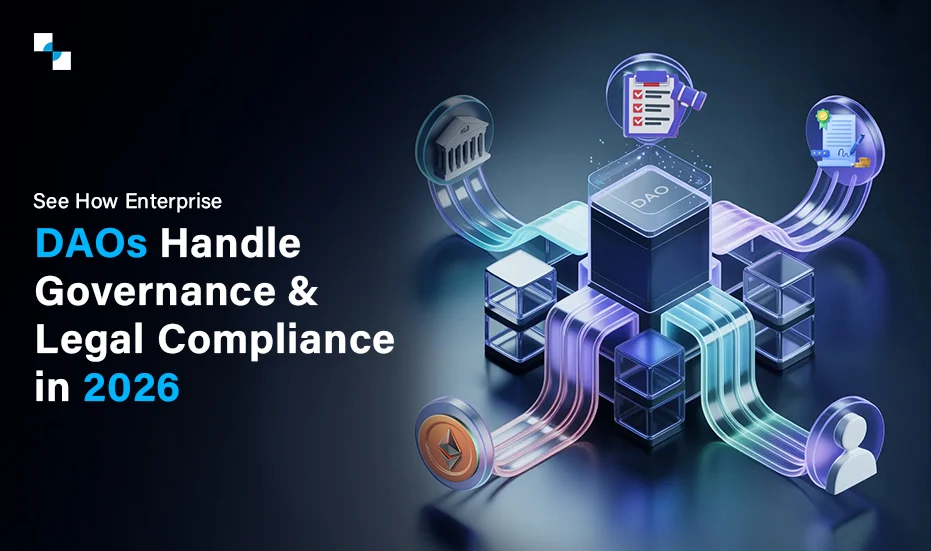
New regulations are tightening around Decentralized Autonomous Organizations (DAOs), but not every privacy tool delivers real compliance. Many platforms market "confidentiality" while leaving critical data exposed to on-chain analysis or regulatory scrutiny. Understanding these gaps prevents costly missteps in 2026.
The "Full Anonymity" Myth
Some vendors claim their DAO infrastructure provides complete anonymity. This is misleading. While homomorphic encryption can hide vote details, the underlying blockchain often reveals transaction patterns and wallet associations. True compliance requires more than just hidden votes; it demands auditable trails for regulators who need to verify legal boundaries without exposing member identities.
Weak Identity Verification
A common mistake is relying on basic KYC (Know Your Customer) checks that don't integrate with voting mechanisms. If your DAO uses separate identity layers, regulators can still link activities to individuals through metadata leaks. Effective solutions embed privacy-preserving identity proofs directly into the smart contract, ensuring that only verified members can participate while keeping their specific actions confidential.
Ignoring Jurisdictional Nuances
Different regions treat DAO tokens and governance rights differently. Assuming a one-size-fits-all privacy solution works globally is a critical error. For instance, the EU's MiCA regulation has specific requirements for asset issuance that may conflict with certain privacy-focused token standards. Always consult local legal frameworks before deploying a confidential DAO structure.
No comments yet. Be the first to share your thoughts!