
Decentralized Autonomous Organizations (DAOs) are at the forefront of digital governance innovation, but their evolution has been slowed by a persistent challenge: balancing transparency with privacy. As DAOs mature from niche experiments to core infrastructure for Web3 communities, the need for robust, privacy-preserving identity solutions has never been more urgent. Enter Verifiable Credentials (VCs) and the identity Operating System (idOS): two technologies rapidly transforming how DAOs verify members, manage access, and secure voting rights without sacrificing individual privacy.
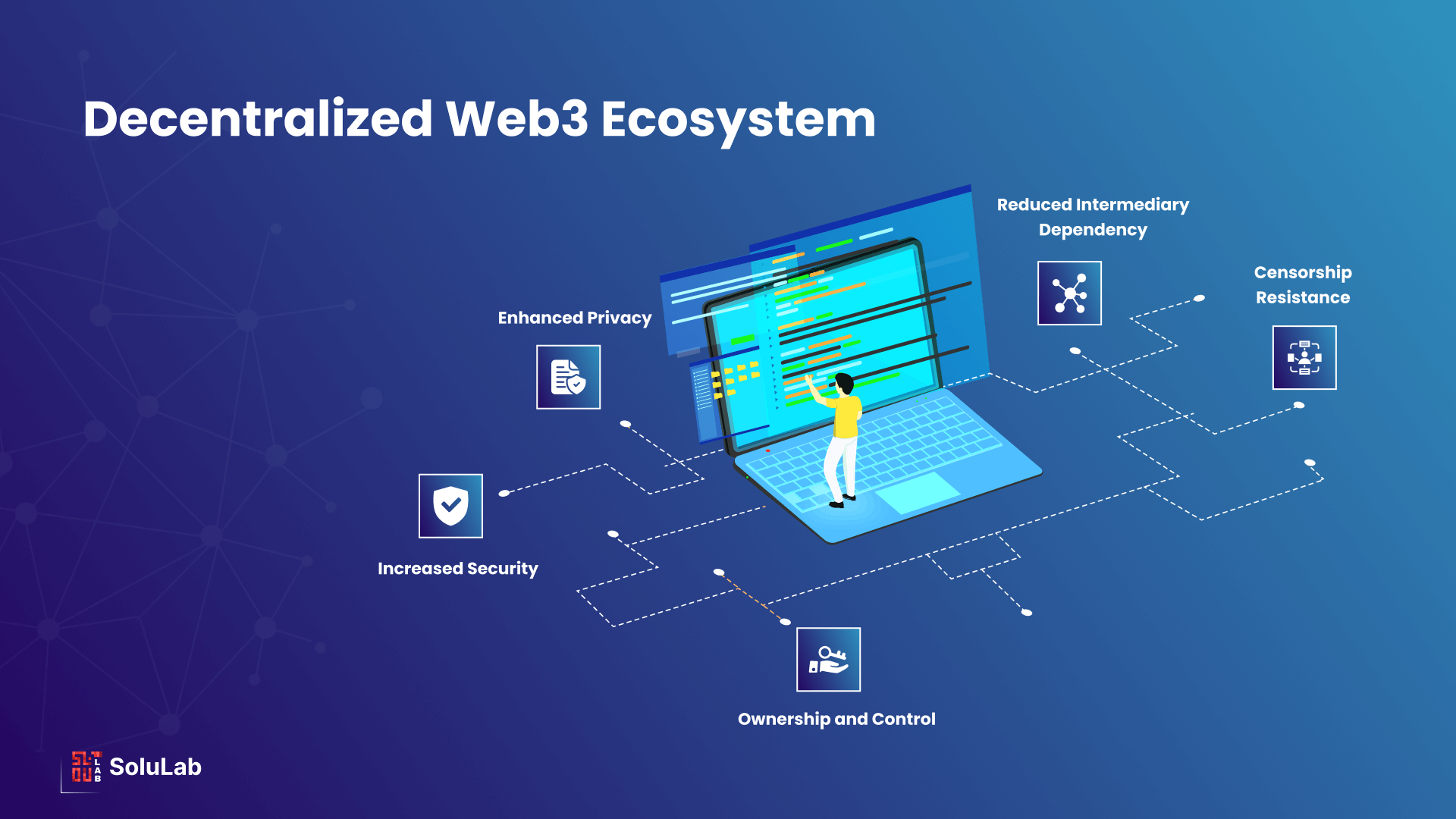
The Privacy Imperative in DAO Governance
Traditional DAO governance models often require users to link public wallet addresses or share sensitive information to prove eligibility for participation. This approach can expose members to unwanted surveillance, phishing attacks, or even regulatory overreach. As DAOs become more valuable and influential, these risks compound. The demand for private DAO identity solutions has fueled innovation in cryptographic tools that allow for selective disclosure of information, proving what’s necessary without revealing everything.
Privacy-preserving on-chain identity is not just a technical upgrade; it’s a philosophical shift toward self-sovereignty and discretion in community governance. This is where Verifiable Credentials shine.
What Are Verifiable Credentials, and Why Do They Matter?
Verifiable Credentials are cryptographically signed statements that assert specific facts about an entity: “This wallet belongs to an accredited investor, ” or “This user passed KYC. ” Unlike traditional credentials stored in centralized databases, VCs are portable, tamper-evident, and controlled directly by their holders. They use zero-knowledge proofs to enable selective disclosure: a member can prove they have the right status or reputation without exposing their full name or address.
This technology is particularly impactful for DAOs seeking modular access control. Imagine a scenario where only those holding a certain NFT credential can vote on sensitive proposals, no need for manual checks or vulnerable off-chain lists. VCs also support sybil resistance: by issuing non-transferable credentials tied to unique identities (often as NFTs), DAOs can prevent individuals from gaming the system with multiple wallets.
The Role of idOS: Encrypted Credentials on Blockchain
The idOS Network acts as a decentralized identity layer purpose-built for Web3 applications like DAOs. Here’s how it works:
- User-Centric Encryption: All personal data added to idOS is encrypted using strong cryptography under the user’s control. No central party ever holds the keys.
- KYC Once, Use Everywhere: After completing KYC verification once through a trusted provider, users receive reusable encrypted credentials stored on decentralized storage networks. These can be instantly shared with any participating dApp or DAO, streamlining onboarding while preserving privacy.
- Selectively Shareable: Members decide exactly which attributes to disclose when joining new DAOs or participating in votes, enabling compliance and security without oversharing.
This approach not only reduces friction but also significantly lowers attack surfaces compared to legacy systems reliant on repeated data entry and centralized repositories. For more details on decentralized identity solutions tailored specifically for DAOs, including real-world use cases, see this resource.
Pioneering Use Cases: From Polygon ID to Sybil Resistance Frameworks
The integration of VCs and idOS into live DAO ecosystems is no longer theoretical. For example, Privado ID (formerly Polygon ID) has been adopted by major DAOs looking for sybil-resistant voting frameworks powered by zero-knowledge proofs. These implementations allow members to build reputation over time while keeping their real-world identities confidential, a critical capability as regulatory scrutiny intensifies globally.
The result? Faster onboarding via portable credentials, stronger security through encrypted storage, and enhanced fairness thanks to robust sybil resistance mechanisms, all while maintaining member anonymity where desired.
As the technology matures, we’re witnessing a new generation of DAO privacy tools that combine the best of cryptography, decentralized storage, and user-centric design. The modular nature of these systems means DAOs can tailor access controls, voting rights, and participation privileges to meet their unique needs, without ever compromising on confidentiality. This flexibility is essential for communities managing sensitive treasuries or high-stakes governance decisions.
Leading DAOs Using Verifiable Credentials & idOS
- Polygon DAO & Privado ID: Polygon DAO integrates Privado ID (formerly Polygon ID) to enable private, sybil-resistant governance using verifiable credentials and zero-knowledge proofs. Members can prove eligibility and vote without exposing personal data, enhancing privacy and trust within the DAO.
- Fractal ID & Onchain Passport: Fractal ID provides decentralized identity verification and KYC credentials for DAOs, while Onchain Passport leverages idOS to offer one-click KYC onboarding and encrypted credential storage. This streamlines membership verification and protects user privacy across multiple DAOs.
- Gitcoin Passport: Gitcoin Passport utilizes verifiable credentials and decentralized identity standards to prevent sybil attacks and ensure fair governance. By issuing non-transferable credentials, Gitcoin enables DAOs to verify unique participants without exposing sensitive information.
- Dock Network: Dock offers tools for DAOs to issue and verify privacy-preserving credentials for governance participation. Their platform supports zero-knowledge proofs and encrypted storage, allowing members to prove voting rights or membership status securely.
- Bankless DAO: Bankless DAO has experimented with verifiable credentials for contributor recognition and access control. By integrating decentralized identity solutions, Bankless DAO enhances privacy and enables members to manage their credentials in a self-sovereign manner.

For DAO founders and contributors alike, this shift opens up a more inclusive and secure landscape. Members no longer need to trust opaque off-chain processes or worry about their data being mishandled. Instead, they benefit from portable DAO credentials that are easily transferred between communities, slashing onboarding times and reducing compliance headaches. The ability to prove eligibility in a privacy-preserving way also unlocks new forms of collaboration across DAOs, think cross-DAO alliances or shared governance structures, where trust is established cryptographically rather than through reputation alone.
The regulatory environment is another area where VCs and idOS are making a tangible impact. As global authorities ramp up requirements around anti-money laundering (AML) and Know Your Customer (KYC) checks, DAOs face mounting pressure to comply without alienating privacy-conscious users. With encrypted credentials on blockchain, it’s possible to demonstrate compliance while maintaining user anonymity, a delicate balance that could determine the future viability of decentralized governance models.
Navigating the Future: Challenges and Opportunities
Despite these advances, challenges remain. Interoperability between credential providers, evolving standards for zero-knowledge proofs, and user education all present hurdles on the path to seamless adoption. Moreover, as DAOs grow in size and complexity, designing governance frameworks that leverage these tools effectively will require thoughtful experimentation and ongoing community input.
Yet the direction is clear: encrypted credentials on blockchain, modular access control systems like idOS, and portable verifiable credentials are rapidly becoming foundational infrastructure for Web3 organizations seeking both privacy and legitimacy. As more projects embrace these solutions, and as tooling continues to improve, the barriers to entry for private DAO participation will fall even further.
If you’re building or participating in a DAO today, now is the time to explore how verifiable credentials can future-proof your community against both technical threats and regulatory shifts. For deeper dives into decentralized identity strategies tailored specifically for DAOs, including voting mechanisms, reputation systems, and compliance workflows, see our comprehensive guide.
The next wave of DAO innovation will be defined by its ability to combine transparency with discretion, empowering individuals while protecting communities as a whole. By adopting advanced identity solutions like VCs and idOS today, DAOs can lead by example in building truly private yet accountable digital societies.




No comments yet. Be the first to share your thoughts!