The 2026 transparency mandate explained
By 2026, the regulatory landscape for decentralized autonomous organizations (DAOs) has shifted decisively toward mandatory on-chain transparency. Regulators in major jurisdictions, including the European Union and the United States, now require DAOs to prove compliance with anti-money laundering (AML) and know-your-customer (KYC) standards without necessarily exposing sensitive member data to the public ledger.
This mandate does not demand that every transaction and vote be visible to the world. Instead, it requires a mechanism for selective disclosure. DAOs must implement privacy-enabled contracts that allow authorized auditors or regulators to verify compliance behind the scenes while keeping individual voter identities and proposal details hidden from the public. This approach balances the community’s desire for privacy with the legal necessity of accountability.
Total secrecy is no longer a viable legal strategy. DAOs that attempt to operate in complete darkness face increased scrutiny, potential sanctions, and loss of legitimacy. The goal has shifted from hiding activity to proving it securely. As noted in technical overviews of confidential DAO voting, privacy-enabled contracts allow organizations to apply confidentiality selectively, ensuring that sensitive data remains protected while meeting regulatory expectations.
The 2026 transparency mandate represents a fundamental change in how DAOs must operate. It is not about abandoning decentralization, but about adapting it to a world where financial integrity is non-negotiable. DAOs must now design their governance and treasury systems with this dual requirement in mind: privacy for members, transparency for regulators.
Zero-knowledge proofs for compliant voting
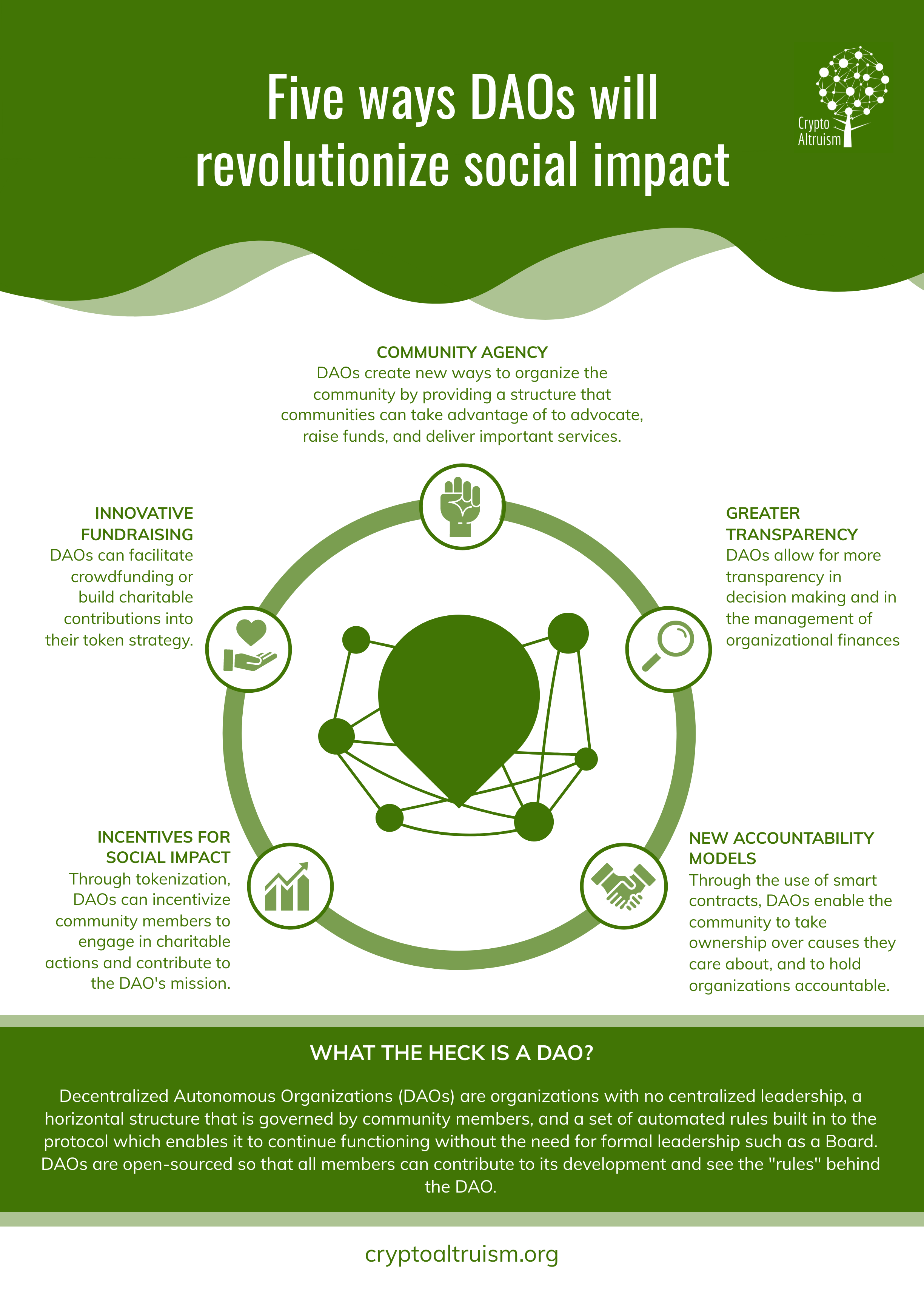
Zero-knowledge proofs (ZKPs) allow Confidential DAOs to verify voter eligibility and vote counts without revealing individual identities. This cryptographic method satisfies audit requirements by proving that a transaction is valid without exposing the underlying data.
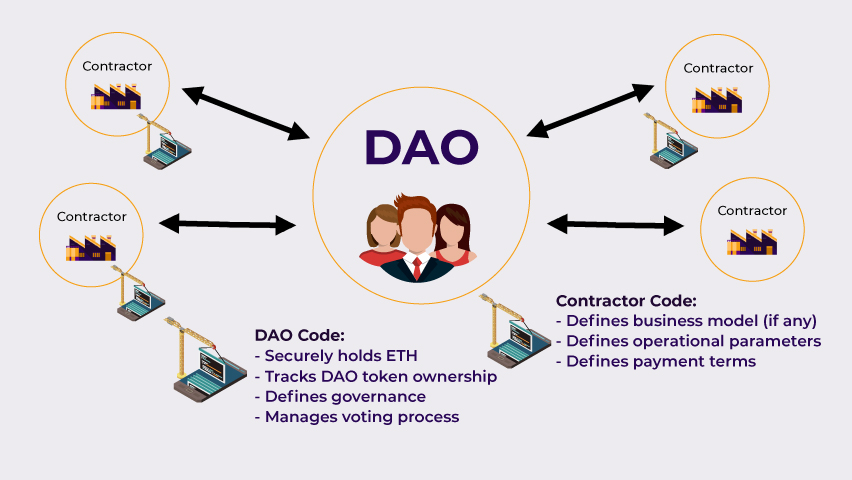
A voter generates a ZK proof demonstrating they hold the required token or credential to vote. The smart contract verifies this proof against the registry. The contract confirms eligibility without learning the voter’s wallet address or token balance.
The voter encrypts their choice and submits it to the contract. The transaction includes a proof that the vote is within valid parameters (e.g., one vote per eligible entity). The blockchain records the encrypted vote and its validity proof, keeping the actual selection hidden.
After the voting period closes, the contract aggregates the encrypted votes. A final ZK proof is generated to demonstrate that the sum of valid votes matches the announced result. Auditors can verify this proof to confirm the count is accurate without accessing individual ballots.
This approach balances transparency with fairness. By ensuring no single vote can be traced back to an individual, the mechanism addresses regulatory concerns about vote coercion and market manipulation. The system relies on mathematical certainty rather than trust. By verifying the proof, stakeholders confirm the election was conducted according to the rules. This satisfies the need for auditability in jurisdictions requiring transparent governance, even when the participants themselves wish to remain anonymous.
Trusted execution environments in governance
Trusted execution environments (TEEs) provide a hardware-rooted trust layer for confidential smart contracts, allowing DAOs to execute governance logic without exposing sensitive data. By leveraging secure enclaves like those found in Oasis Sapphire, organizations can create a distinct boundary between public on-chain records and private decision-making processes.
The primary utility of TEEs in this context is selective disclosure. A DAO can run a confidential vote where the outcome is public, but the individual ballots remain encrypted within the enclave. Regulatory auditors can then be granted specific, time-limited keys to decrypt and verify compliance with local laws, such as knowing who voted for what, without that data being exposed to the broader blockchain network or the public. This mechanism resolves the tension between transparency requirements and the need for member privacy.
According to Oasis Network documentation, these privacy-enabled contracts allow DAOs to "selectively apply confidentiality" to various governance actions, including surveys and voting rounds. This capability is critical for organizations operating in jurisdictions with strict data protection regulations, such as the EU’s GDPR, which may conflict with the immutable, public nature of traditional blockchains. By keeping personal identifiers off-chain or encrypted within the TEE, DAOs can reduce legal risk while preserving the decentralization benefits of blockchain technology.
This architecture does not eliminate the need for legal compliance but shifts the burden of proof. Instead of relying on opaque off-chain records, auditors can verify that the enclave executed the correct code and that the decrypted data matches the regulatory requirements. As regulatory frameworks evolve in 2026, TEEs are likely to become a standard component for any DAO seeking to operate legally across multiple jurisdictions without sacrificing the privacy of its members.
Selective disclosure for regulatory audits
Confidential DAOs use selective disclosure to bridge the gap between on-chain privacy and regulatory oversight. Rather than exposing the entire ledger, these systems allow designated auditors or regulatory bodies to access specific, verified data points while keeping the broader community's transactions private. This mechanism ensures that compliance requirements are met without sacrificing the operational secrecy that defines private DAO governance.
The process typically relies on zero-knowledge proofs or encrypted data rooms. Regulators can verify that a DAO meets its legal obligations—such as anti-money laundering checks or tax reporting—without seeing the identities of all participants or the full scope of every transaction. This targeted approach minimizes data exposure and reduces the risk of sensitive information leaking to the public blockchain.
Preparing for these audits requires a structured approach to data management. DAOs must ensure that their selective disclosure protocols are robust and that the necessary evidence is readily available for review. The following checklist outlines the key data points that should be prepared for regulatory scrutiny.
-
Eligible voter lists with verified identity proofs
-
Transaction hashes for high-value or flagged transfers
-
Treasury balance proofs and asset allocation records
-
Governance proposal logs and voting outcomes
-
Compliance audit trails from previous reporting periods
Timeline of privacy regulation for DAOs
The legal landscape for DAO privacy has shifted from vague guidance to specific mandates. This timeline tracks the key regulatory milestones that have shaped how decentralized organizations manage confidentiality and compliance.
2021–2023: Early Scrutiny and DeFi Transparency
Regulators began examining DAOs as potential unregistered securities or general partnerships. The primary focus was on identifying human controllers behind pseudonymous wallets. Early enforcement actions in the US and EU signaled that anonymity would not shield DAOs from securities laws or anti-money laundering (AML) requirements. This period established the precedent that digital anonymity does not equate to legal invisibility.
2024: The EU’s MiCA Implementation
The European Union’s Markets in Crypto-Assets (MiCA) regulation came into full effect, introducing strict transparency requirements for crypto service providers. While MiCA primarily targets centralized entities, its AML provisions indirectly pressured DAOs to adopt identity verification protocols for token holders and voters. This marked the first major jurisdictional attempt to bring DAO financial activities into the traditional regulatory framework.
2025: US Executive Orders and Treasury Guidance
The US Treasury Department issued updated guidance clarifying how existing Bank Secrecy Act rules apply to decentralized entities. The guidance emphasized that DAOs could be liable for facilitating transactions that bypass reporting thresholds. This period saw a surge in DAOs adopting "privacy-preserving" compliance tools, such as zero-knowledge proofs, to demonstrate regulatory adherence without exposing full member identities.
2026: The Global Compliance Mandate
By 2026, most major jurisdictions have implemented harmonized rules requiring DAOs to register with financial authorities if they exceed certain transaction volumes. The focus has shifted from if DAOs must comply to how they can do so while maintaining operational privacy. New legal structures, such as Wyoming’s DAO LLCs and Swiss foundations, offer templates for balancing member confidentiality with public accountability.
Frequently asked questions about Confidential DAOs
Confidential DAOs aim to balance the need for transparent governance with the privacy requirements of modern regulatory environments. As the landscape shifts in 2026, understanding the core mechanics and risks is essential for participants.
No comments yet. Be the first to share your thoughts!