What makes a confidential DAO
Traditional DAOs operate with full transparency, meaning every wallet address, vote, and transaction is permanently recorded on the public ledger. This openness can expose members to targeted attacks, regulatory scrutiny, or corporate espionage. Confidential DAOs solve this by implementing privacy-preserving governance mechanisms that allow members to participate without revealing their identity or vote choice [src-serp-4].
The core innovation lies in decoupling the wallet address from the voting intent. In a standard DAO, your public key is your identity. In a confidential DAO, cryptographic proofs verify that a voter is eligible and has cast a valid vote, but they do not link that vote to the specific individual or their wallet balance. This separation ensures that governance outcomes remain accurate while protecting the privacy of the participants.
This shift transforms DAOs from a new form of collective organization based on open access to one that can operate with the discretion required for sensitive business or political decisions [src-serp-8]. By hiding the "who" and "how" while preserving the "what," confidential governance enables broader participation from entities that require strict confidentiality.
Privacy tech behind confidential voting
Confidential voting relies on two main cryptographic approaches: Trusted Execution Environments (TEEs) and Zero-Knowledge Proofs (ZKPs). Both methods allow DAOs to verify votes without exposing voter identities or specific ballot choices on the public ledger.
Trusted Execution Environments (TEEs)
TEEs create a secure, isolated area within a processor where code and data are protected from external interference. In the context of DAOs, platforms like Oasis Sapphire use these environments to process votes privately. The smart contract executes inside the TEE, ensuring that the decryption keys never leave the secure hardware. This allows the system to tally votes and verify eligibility while keeping individual selections hidden from the public blockchain. The Oasis network provides a clear example of how this hardware-level privacy can be integrated into existing blockchain infrastructure.
Zero-Knowledge Proofs (ZKPs)
ZKPs offer a software-based alternative by allowing a voter to prove their eligibility and vote validity without revealing the vote itself. A voter generates a cryptographic proof that confirms they are a valid token holder and that their vote follows the rules, without disclosing which option they selected. This method does not rely on specialized hardware, making it more decentralized. However, generating these proofs requires significant computational resources, which can impact transaction speed and cost.
Balancing Privacy and Auditability
The primary challenge in confidential governance is maintaining transparency for audit purposes. TEEs provide strong privacy guarantees but introduce a trust assumption in the hardware provider. ZKPs remove the hardware trust but require complex verification processes. DAOs must choose the approach that best aligns with their security model and community expectations. The goal is to protect voter anonymity while ensuring that the final tally is mathematically verifiable and resistant to manipulation.

Where privacy matters most
Confidential DAOs move beyond theoretical privacy; they solve specific coordination failures that public ledgers create. When governance outcomes are visible in real-time, actors can exploit that information. Private governance layers protect the integrity of the vote, the safety of the voter, and the security of the treasury.
Preventing vote buying and coercion
Public voting creates a verifiable receipt. A malicious actor can buy a vote and demand proof of the cast before releasing payment. This "vote buying" problem is nearly impossible to solve on a transparent ledger without complex, often broken, cryptographic commitments. Confidential voting breaks this link. By using zero-knowledge proofs or threshold encryption, a DAO can verify that a voter holds the required tokens without revealing how they voted. This ensures the outcome reflects genuine preference rather than purchased influence.
Protecting whistleblowers and dissenters
In traditional organizations, whistleblowers face significant retaliation risks. In onchain governance, where every wallet address is pseudonymous but potentially linkable to real-world identities, the risk is amplified. If a proposal to cut a project’s funding passes, the dissenters are publicly identified. Confidential voting allows members to signal opposition to a flawed initiative without exposing themselves to targeted harassment or social ostracization. This encourages honest feedback and prevents groupthink, as members can vote against popular but harmful proposals without fear of retribution.
Securing sensitive treasury allocations
Treasury management often involves sensitive negotiations. Announcing a large acquisition or a strategic partnership on-chain before it is finalized can lead to front-running, price manipulation, or competitive sabotage. Confidential governance allows the core team to propose and vote on sensitive treasury movements—such as acquiring a startup or entering a regulated market—without leaking details to the market. Once the deal is signed and secure, the DAO can vote on the public disclosure, ensuring the transaction executes at fair market value.

Compliance and regulatory considerations
Confidential DAOs face a fundamental tension: blockchain transparency clashes with privacy mandates. While onchain governance offers auditability, regulators increasingly demand identity verification to prevent illicit finance. This conflict forces DAOs to balance member privacy against legal compliance.
The clash between anonymity and KYC/AML
Most jurisdictions require Know Your Customer (KYC) and Anti-Money Laundering (AML) checks for financial services. Decentralized Autonomous Organizations (DAOs) often operate pseudonymously, making it difficult to satisfy these requirements. Privacy tools like zero-knowledge proofs allow members to prove eligibility without revealing their full identity. This technology enables compliance without exposing sensitive personal data to the public ledger.
Jurisdictional fragmentation
Regulatory approaches vary significantly by location. The European Union’s Markets in Crypto-Assets (MiCA) regulation, effective in 2024, imposes strict rules on crypto-asset service providers. In contrast, the United States lacks a unified federal framework, leaving DAOs to navigate a patchwork of state and federal laws. Some jurisdictions, like Switzerland and Singapore, have created clearer pathways for DAO registration, while others treat anonymous participants as high-risk entities.
Mitigating legal risk
DAOs must carefully structure their legal wrappers to limit liability. Many choose to register as limited liability companies (LLCs) in favorable jurisdictions. This legal layer shields individual members from direct liability for the DAO’s actions. However, this structure can undermine the decentralized ethos that attracts many participants. The goal is to find a balance that satisfies regulators without centralizing control.
The legal landscape is evolving rapidly. DAOs that proactively address compliance issues are better positioned to operate sustainably. Ignoring these regulations can lead to severe penalties or forced dissolution. As privacy technology matures, it may offer more robust solutions for reconciling anonymity with legal accountability.
Steps to implement confidential voting
Adopting privacy-preserving governance requires shifting from traditional onchain transparency to cryptographic verification. The goal is to hide individual vote choices while proving the tally is correct. This workflow outlines how DAOs can integrate these layers, drawing on implementations like Oasis Sapphire and Oasis Protocol Layer (OPL) to enable confidential voting.
Start by choosing a blockchain environment that supports confidential smart contracts. Standard EVM chains expose all transaction data. Platforms like Sapphire, built on the Oasis Network, offer confidential smart contracts that keep data private while allowing public verification of the computation. This layer is the foundation for hiding voter intent.
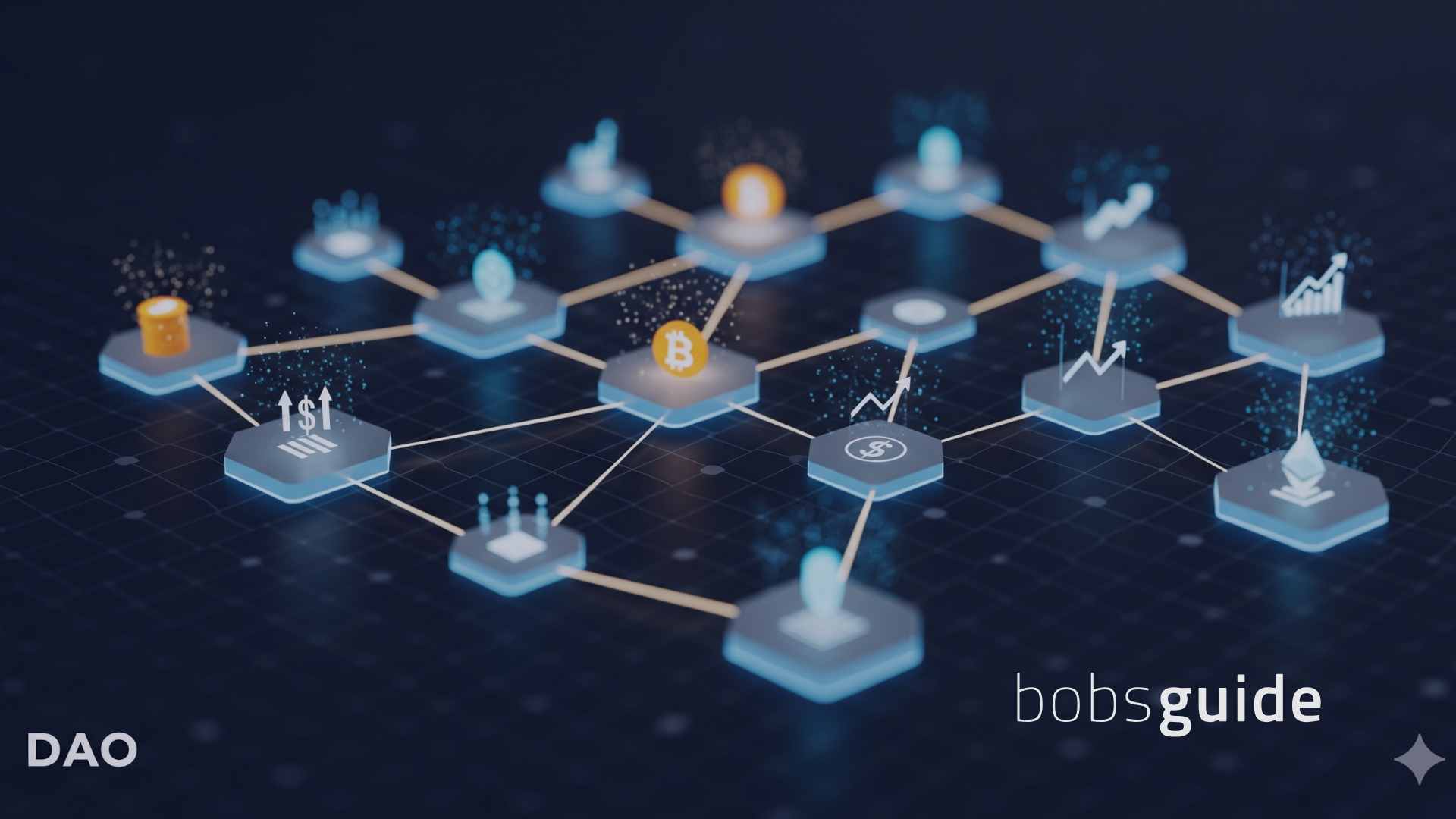
Deploy a smart contract that utilizes zero-knowledge proofs (ZKPs). The contract must accept encrypted votes and generate a proof that validates the tally without revealing the individual inputs. This ensures that while the final result is public and verifiable, the specific choice of each member remains confidential.
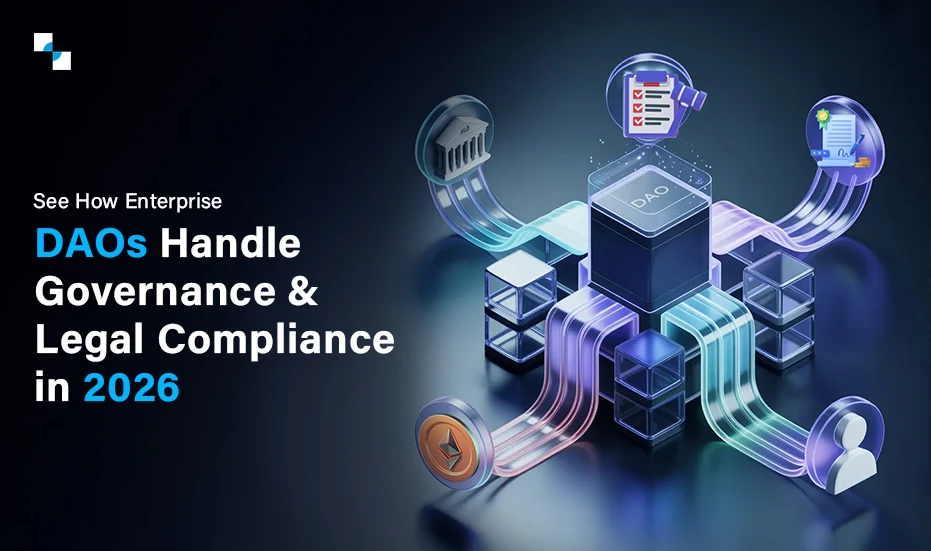
Privacy does not mean anonymity from the protocol. Implement a Sybil-resistant identity layer, such as a Soulbound Token (SBT) or a decentralized identity protocol, to verify that voters are eligible members. This step balances the need for privacy with the requirement for legitimate participation, preventing duplicate votes from a single entity.
Before launching, have the smart contracts and cryptographic libraries audited by security firms specializing in zero-knowledge proofs. Errors in ZK circuit design can lead to false proofs or data leaks. An audit ensures that the privacy guarantees hold up against malicious actors trying to reverse-engineer vote choices.

Run a small-scale test proposal using the new confidential voting mechanism. This allows the community to verify that the voting interface works as expected and that the tally matches the encrypted inputs. It also provides a chance to refine the user experience before applying the system to high-stakes governance decisions.
-
Select a privacy-enabled execution layer (e.g., Oasis Sapphire)
-
Integrate a zero-knowledge voting contract
-
Define eligibility and identity verification
-
Audit the cryptographic implementation
-
Test with a pilot governance proposal
No comments yet. Be the first to share your thoughts!