As DAOs (Decentralized Autonomous Organizations) become the backbone of digital collaboration, the demand for privacy-first governance is reshaping how communities coordinate and make decisions. In 2025, building a confidential DAO requires more than just technical savvy - it demands a holistic approach to privacy, compliance, and adaptive security. Let’s explore the essential steps for launching a truly private DAO that can thrive in today’s regulatory and technological landscape.
Define Confidential DAO Objectives and Governance Framework
The foundation of any private DAO begins with a clear articulation of its mission, values, and operational boundaries. What level of confidentiality does your community require? Are you safeguarding sensitive research, managing a private investment pool, or enabling anonymous participation in social causes? Defining these objectives will shape every subsequent decision.
Establishing a robust governance framework is equally critical. This includes specifying roles (such as stewards or multisig signers), outlining proposal processes, and determining how information flows within the group. By codifying these elements early on, you ensure that privacy is not an afterthought but embedded in your organization’s DNA.
Select a Privacy-First Blockchain Platform (e. g. , COTI, Aztec, or Secret Network)
Your choice of blockchain platform is pivotal for private DAO governance. In 2025, leading options include COTI (an enterprise-grade Layer 2 focused on confidential transactions), Aztec (which leverages advanced zero-knowledge proofs), and Secret Network (known for its encrypted smart contracts). Each platform offers unique strengths:
- COTI: Integrates natively with Ethereum while enabling confidential voting and treasury management.
- Aztec: Specializes in shielded transactions using zkSNARKs for on-chain privacy.
- Secret Network: Delivers programmable privacy through encrypted contract execution.
Your selection should align with your technical requirements and threat model. For deeper insights into how these architectures support granular confidentiality controls, see our guide on confidential DAO architectures.
Is shielded voting essential for DAO governance in 2025?
As DAOs increasingly adopt privacy-preserving technologies like zero-knowledge proofs, shielded voting is becoming a hot topic. Do you think confidential voting is crucial for effective and trustworthy DAO governance, or is transparency more important? Share your view below!
Integrate Zero-Knowledge Proofs and Shielded Voting Mechanisms
The heart of modern DAO privacy in 2025 lies in cryptographic solutions that empower members to participate without exposing sensitive data. Zero-knowledge proofs (ZKPs) enable participants to prove their eligibility or vote without revealing their identity or how they voted. This technology is now accessible through platforms like COTI and Aztec, and it’s rapidly becoming the gold standard for secure decentralized organizations.
Shielded voting mechanisms, such as those powered by Shutter API or native ZKP integrations, restore confidence by making votes both private and verifiable. This not only protects against voter manipulation but also encourages broader participation from individuals who might otherwise fear exposure or retaliation. For practical implementation strategies using ZKPs within DAOs, visit our step-by-step resource on zero-knowledge proofs for private on-chain governance.
Implement Secure Member Onboarding and Identity Management
No confidential DAO can function effectively without rigorous yet privacy-preserving onboarding procedures. Balancing regulatory compliance with member anonymity requires careful design, often involving decentralized identifiers (DIDs), selective disclosure credentials, or encrypted KYC workflows. These systems allow you to verify eligibility while minimizing data exposure, a crucial aspect given evolving global data protection standards.
The most resilient confidential DAOs use modular identity management stacks that adapt as regulations shift or as new cryptographic techniques become available. For best practices on balancing transparency with confidentiality during onboarding, see our article on balancing transparency and confidentiality in DAO governance.
Deploy Confidential Smart Contracts with Auditable Compliance Controls
Once your governance and onboarding layers are set, it’s time to deploy smart contracts that enforce your DAO’s privacy standards. Platforms like Secret Network and COTI offer confidential smart contract frameworks where sensitive data, such as proposal content, voting outcomes, or treasury transactions, remains encrypted on-chain. This ensures that only authorized members can access critical information, while external observers can still verify contract logic and compliance.
Auditable compliance controls are essential for demonstrating regulatory alignment without sacrificing member privacy. Advanced architectures now allow for selective disclosure: auditors or regulators can access necessary proofs without exposing the entire dataset to the public. This approach not only meets evolving global standards but also builds trust with stakeholders wary of opaque governance models. For a closer look at how confidential governance transforms security and trust, explore our deep dive on confidential governance in DAOs.
Establish Ongoing Privacy Audits and Adaptive Governance Protocols
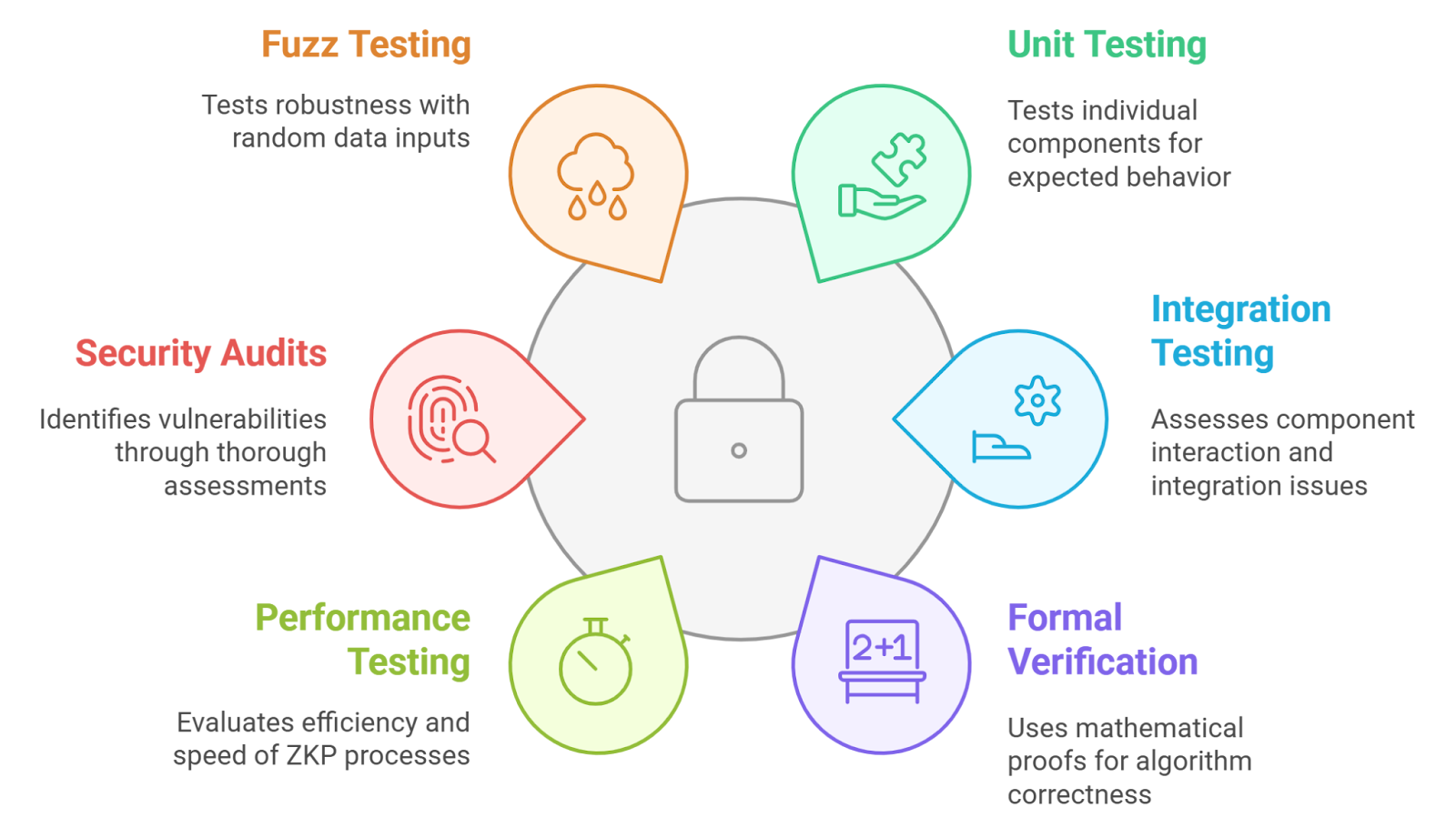
Building a confidential DAO is not a one-time effort, it’s an ongoing commitment to privacy and operational resilience. Regular privacy audits, both automated and human-led, are crucial for identifying vulnerabilities as cryptographic standards evolve or as new attack vectors emerge. Many DAOs now schedule quarterly reviews of their smart contracts, voting mechanisms, and identity management flows to stay ahead of threats.
Adaptive governance protocols empower your community to update rulesets or privacy features in response to member feedback or regulatory shifts. Using shielded voting (for example, via Shutter API integrations) allows these upgrades to occur without revealing individual preferences or identities. This flexibility is what distinguishes successful private DAOs from those that stagnate or fall behind compliance requirements.
Why These Steps Matter for Private DAO Governance in 2025
The landscape of secure decentralized organizations is rapidly changing as both technical threats and legal expectations rise. By following this step-by-step approach, defining objectives, choosing a privacy-first platform like COTI or Aztec, integrating ZKPs and shielded voting, ensuring secure onboarding, deploying confidential contracts with auditable controls, and committing to continuous improvement, you position your organization at the forefront of DAO privacy in 2025.
This isn’t just about keeping secrets; it’s about building sustainable trust within your community while meeting external obligations. The most robust confidential DAOs are those that treat privacy as a living process rather than a fixed product.
Explore Further: Resources and Community Insights
If you’re ready to take the next step toward building, or joining, a truly private DAO, check out our guides on building trust through confidential governance and privacy tools for secure voting in DAOs. Stay engaged with the latest developments by following thought leaders across Web3 social channels.



No comments yet. Be the first to share your thoughts!