
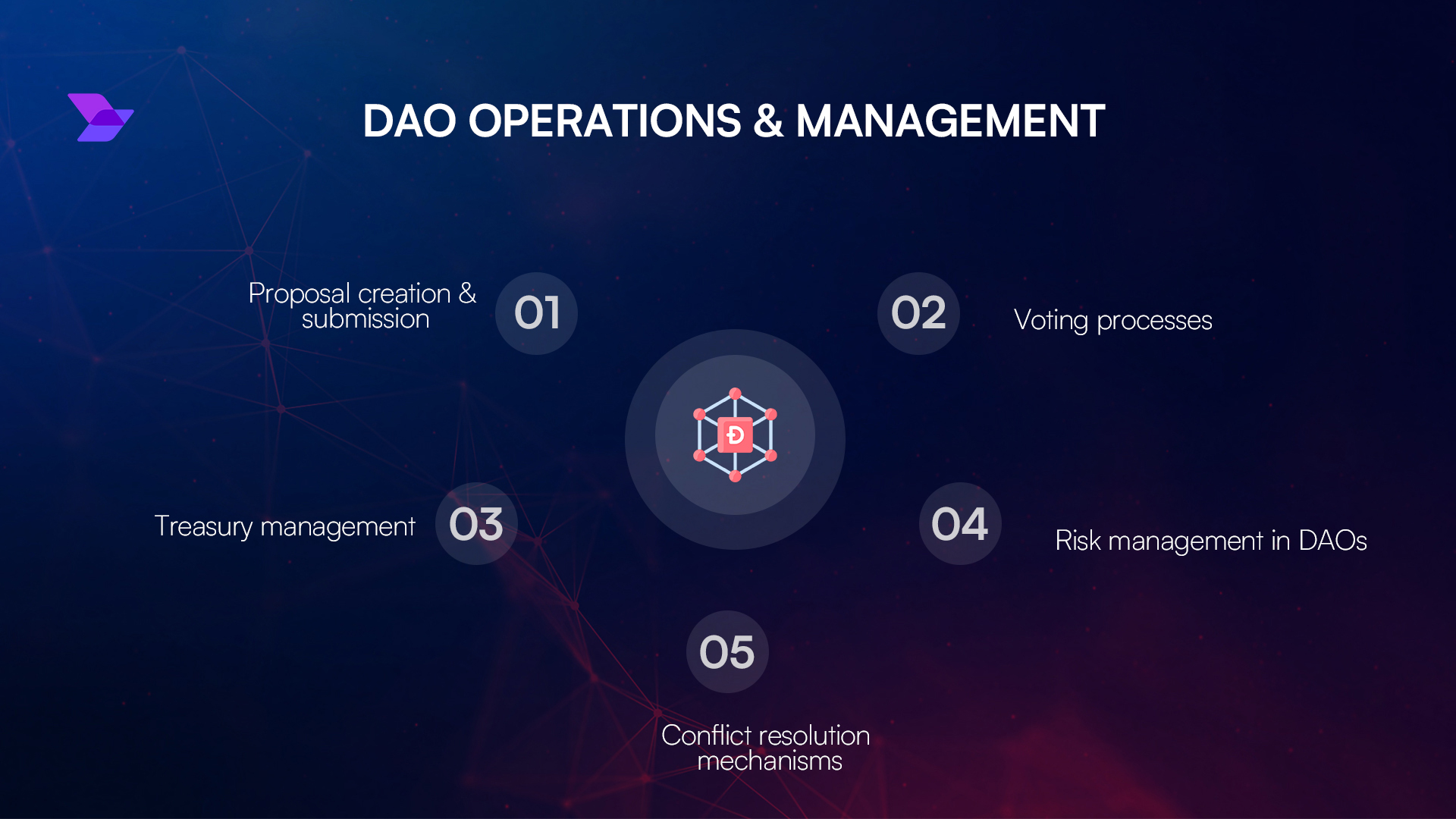
Confidential governance is rapidly becoming the backbone of secure, resilient DAOs. As decentralized organizations expand in both scale and ambition, the need for privacy-preserving decision-making has never been more urgent. Open voting, while transparent, leaves DAOs vulnerable to manipulation, voter coercion, and the chilling effect of public scrutiny. Confidential governance flips this paradigm, enabling private DAO voting and robust operational security without sacrificing trust or accountability.
Why Confidential Governance Matters for DAOs
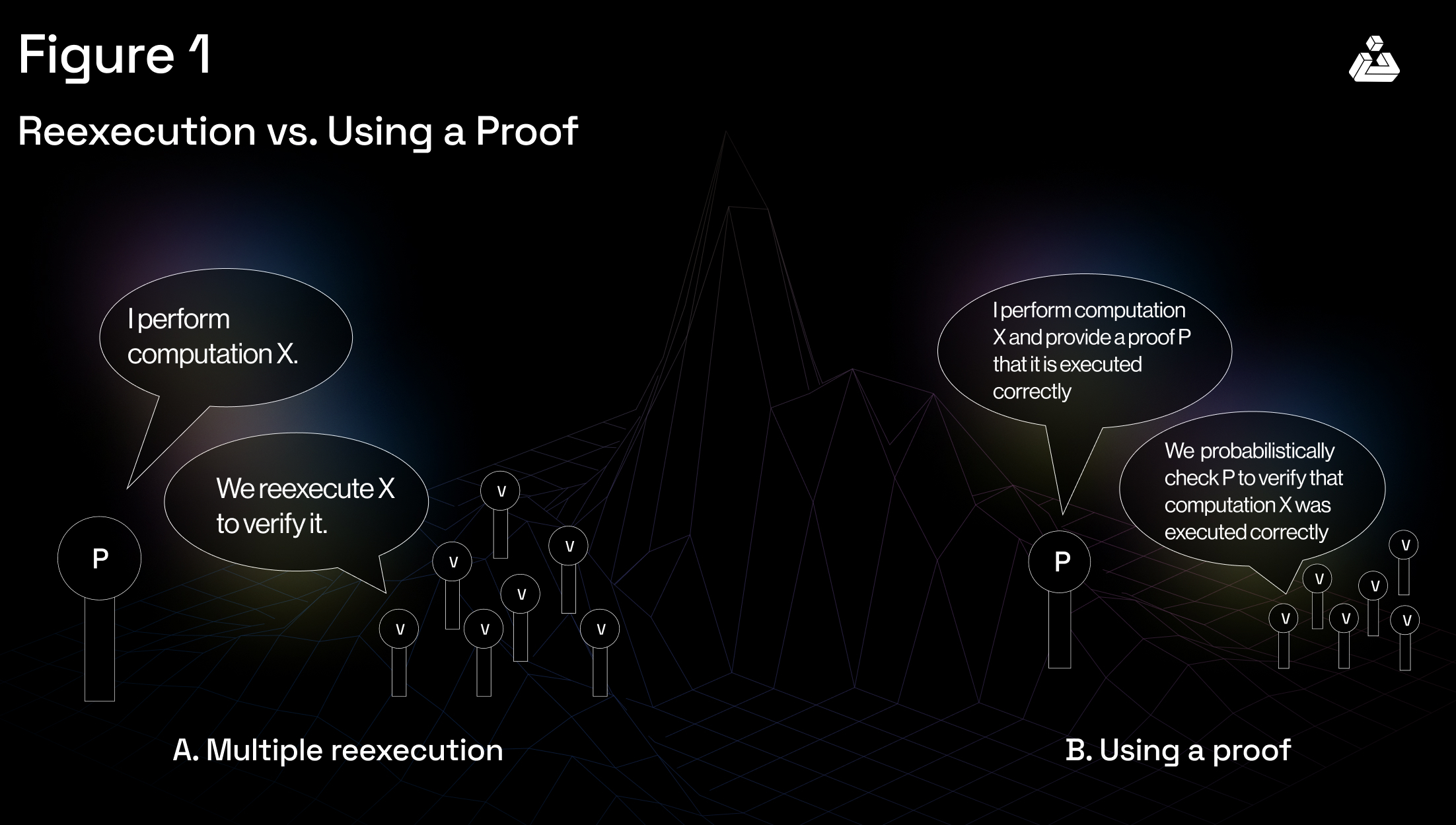
DAOs thrive on community-driven decision-making. But without privacy, true autonomy is compromised. When votes and delegations are public, token whales can exert undue influence, and members may hesitate to vote against popular sentiment. Confidential governance tools, such as zero-knowledge proofs (ZKPs) and shielded voting mechanisms, empower members to participate honestly, free from external pressure.
Recent advances in privacy smart contracts blockchain technology are making it possible to combine verifiable results with encrypted, tamper-resistant ballots. By integrating these tools, DAOs can protect sensitive governance data while upholding the core values of decentralization and transparency. For a deeper dive into the mechanics and benefits, see our guide on how confidential voting systems are transforming DAO governance.
Essential Privacy Tools Powering Private DAO Voting
The privacy revolution in DAO governance is being driven by a suite of advanced cryptographic solutions:
- Zero-Knowledge Proofs (ZKPs): ZKPs allow DAOs to verify that a vote is valid, without exposing the voter’s identity or choice. This not only thwarts vote-buying and coercion but also reassures members that their privacy is mathematically guaranteed.
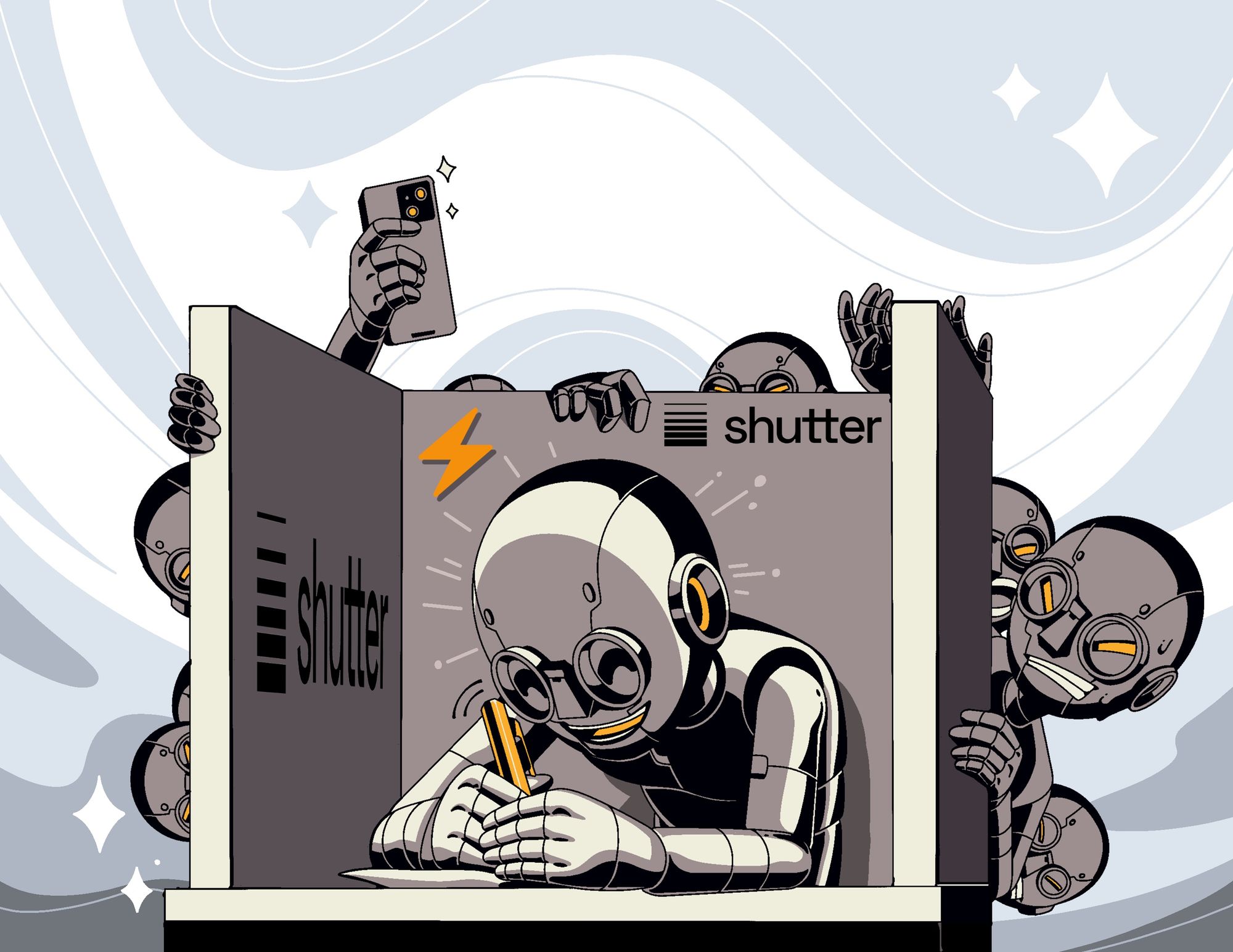
- Shielded Voting Mechanisms: Platforms like Shutter Network offer shielded voting, where votes remain encrypted until the voting period ends. This prevents real-time manipulation and ensures fair outcomes.
- Private Delegation Protocols: Innovations such as Kite enable confidential delegation and re-delegation, so voting power can be exercised flexibly without exposing relationships or preferences.
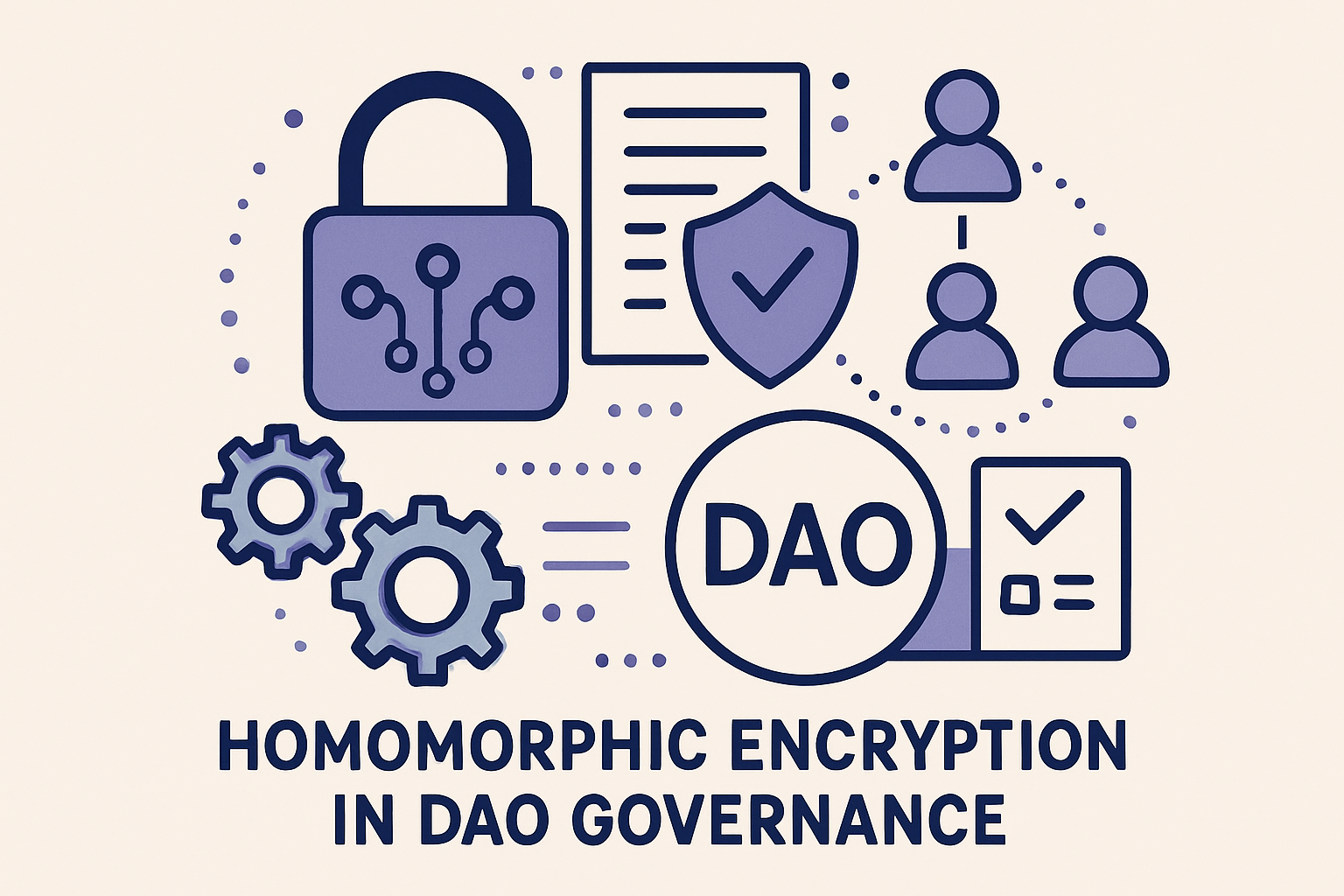
- Homomorphic Encryption: This allows votes to be tallied on encrypted data, meaning individual choices are never revealed, even to those running the vote.
- Trusted Execution Environments (TEEs): Networks like Oasis utilize TEEs to securely run smart contracts off-chain, safeguarding sensitive governance logic and data from prying eyes.
Together, these technologies form the foundation for sealed-bid auctions in DAOs, confidential proposals, and fully private voting workflows. For more on the operational impact, explore how confidential governance empowers DAOs with encrypted voting and private proposals.
Best Practices for Secure and Confidential DAO Voting
Confidential governance isn’t just about technology, it’s about culture and process. Here are key DAO privacy best practices for 2025:
DAO Privacy Best Practices Checklist
- Adopt Zero-Knowledge Proofs (ZKPs): Integrate ZKPs to verify voter eligibility and authenticate votes without exposing identities or choices. This ensures privacy and reduces risks of coercion or manipulation.

- Implement Shielded Voting Mechanisms: Use platforms like Shutter Network's Shielded Voting to keep individual votes encrypted until the voting period ends, preventing real-time manipulation and safeguarding voter privacy.
- Leverage Private Delegation Protocols: Enable confidential delegation of voting power using protocols such as Kite, allowing members to delegate or revoke votes privately and securely.

- Utilize Homomorphic Encryption: Apply homomorphic encryption to allow vote tallying on encrypted data, maintaining confidentiality throughout the process. This technique is increasingly recognized for secure DAO voting.
- Deploy Trusted Execution Environments (TEEs): Use platforms like Oasis Network to run governance mechanisms in confidential runtimes, protecting sensitive voting data from unauthorized access.
- Conduct Regular Security Audits: Schedule periodic audits of governance smart contracts and privacy protocols to identify and address vulnerabilities, ensuring ongoing security and trust.
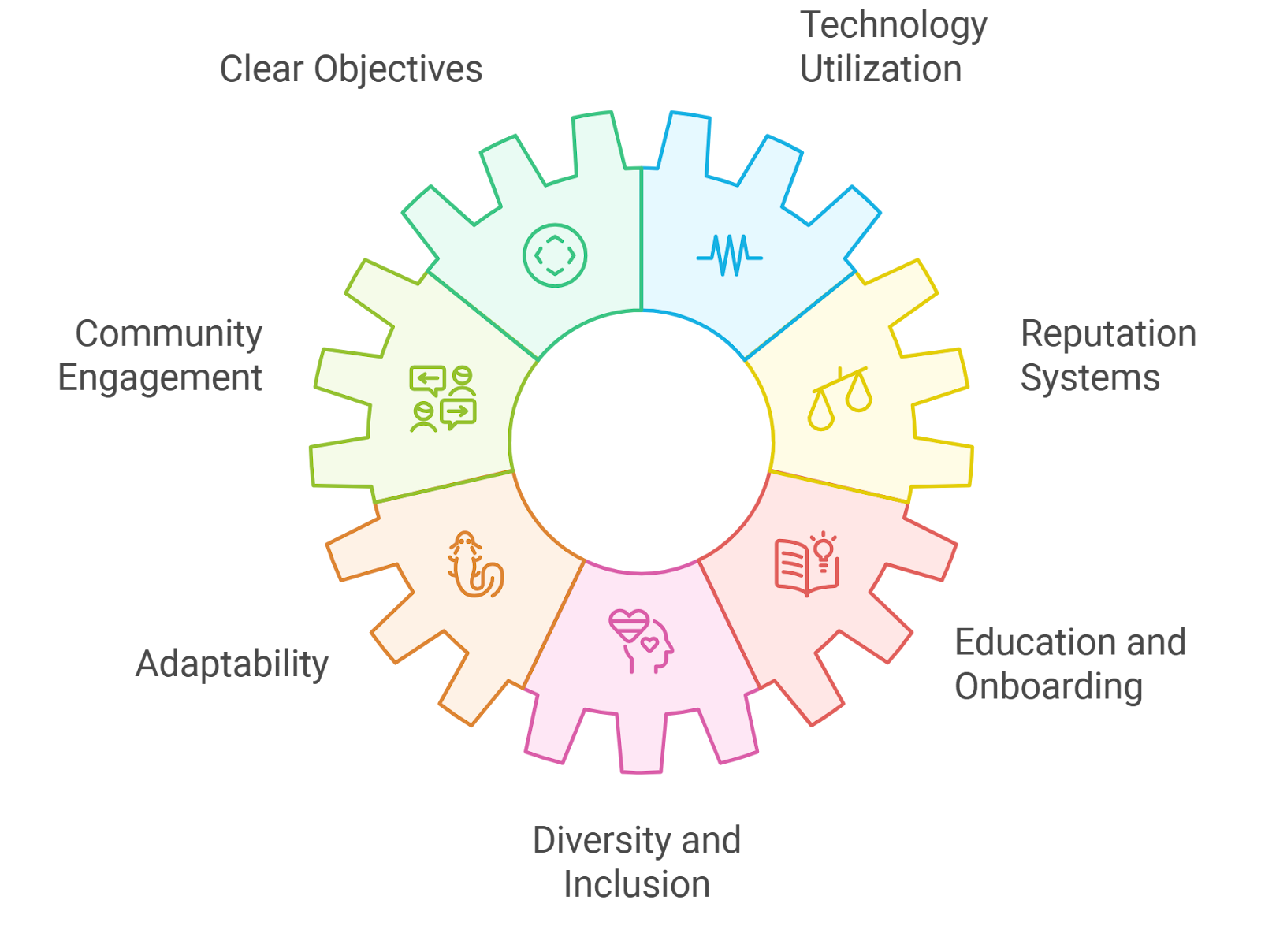
- Educate Members on Privacy Tools: Provide workshops and educational materials to keep DAO members informed about the latest privacy-preserving technologies and best practices.
- Monitor and Update Privacy Protocols: Stay current with advancements in cryptographic techniques and update governance mechanisms to incorporate new privacy tools as they emerge.
First, prioritize privacy-preserving technologies from day one. Adopt ZKPs and homomorphic encryption to safeguard both voter anonymity and data integrity. Second, select voting platforms that natively support shielded ballots and private delegation features. Third, invest in community education: members should understand not only how these tools work, but why privacy is critical to DAO resilience.
Finally, schedule regular audits of your governance mechanisms to identify vulnerabilities before they become attack vectors. Transparent reporting on these audits builds trust and signals your DAO’s commitment to both security and privacy. For an expanded look at how these practices build trust and participation, see how confidential governance builds trust in DAOs.
While the technical scaffolding is essential, effective confidential governance also depends on clear decision frameworks and robust operational policies. DAOs should document and regularly update their privacy strategies, ensuring all members understand the mechanisms in place and the rationale behind them. This transparency, ironically, in the service of privacy, helps prevent misunderstandings and reinforces the legitimacy of confidential voting outcomes.
Comparing Privacy Tools: What Fits Your DAO?
Choosing the right stack for private DAO voting means balancing usability, auditability, and the level of confidentiality required. Some DAOs may prioritize ZKPs for their strong mathematical guarantees, while others might opt for TEEs for seamless integration with existing smart contract platforms. The table below summarizes the key features and trade-offs of leading privacy technologies:
Comparison of Privacy Tools for DAO Governance
| Privacy Tool | How It Works | Key Benefits | Potential Limitations | Example Use Cases |
|---|---|---|---|---|
| Zero-Knowledge Proofs (ZKPs) | Allows proof of voter eligibility and vote authenticity without revealing identities or choices. | Prevents voter coercion and manipulation; maintains confidentiality. | Complex to implement; may require specialized knowledge. | Private voting, eligibility verification in DAOs |
| Shielded Voting Mechanisms | Encrypts individual votes until the voting period ends, hiding interim results. | Prevents real-time vote manipulation; protects voter privacy. | Requires trust in the encryption mechanism; may delay result visibility. | Shutter Network's shielded DAO voting |
| Homomorphic Encryption | Enables computation (like vote tallying) directly on encrypted data. | Maintains confidentiality of individual votes during tallying. | High computational overhead; slower performance for large DAOs. | Confidential vote tallying in DAOs |
| Trusted Execution Environments (TEEs) | Runs smart contracts in secure hardware enclaves, isolating sensitive data. | Protects data from unauthorized access; enhances smart contract confidentiality. | Requires secure hardware; potential centralization risks. | Oasis Network confidential governance |
| Private Delegation Protocols | Allows confidential delegation, revocation, and re-delegation of voting power. | Ensures privacy for delegators and delegates; resists external pressure. | Protocol complexity; adoption still emerging. | Kite protocol for private DAO delegation |
For DAOs conducting sealed-bid auctions or managing sensitive treasury proposals, integrating multiple privacy layers can offer defense-in-depth. However, over-engineering can introduce complexity and reduce participation, so pilot programs and member feedback loops are crucial before full-scale deployment.
Real-World Impact: Privacy as a Catalyst for Participation
Confidential governance isn’t just a technical upgrade, it’s a cultural signal. When DAOs embrace privacy-first voting, members are more likely to participate authentically and propose bold ideas, knowing their reputations and choices are protected. This leads to richer debates and more innovative outcomes. Communities that have implemented shielded voting report higher turnout and lower incidents of vote manipulation or intimidation.
Notably, privacy tools also protect against external threats. As DAOs accumulate assets and influence, they become targets for surveillance and social engineering. Confidential governance acts as a deterrent, making it far more difficult for adversaries to map voting patterns or identify key stakeholders.
For those exploring how encrypted voting and confidential proposals are transforming DAO governance, our deep dive on how encrypted voting and confidential proposals are transforming DAO governance unpacks practical case studies and lessons learned from leading communities.
A Privacy-First Future for Decentralized Governance
As DAOs mature, the imperative for privacy smart contracts blockchain innovation will only intensify. Confidential governance is not a luxury, it’s a necessity for sustainable, inclusive decentralized organizations. By adopting best-in-class privacy tools, fostering a culture of security, and committing to ongoing education and audits, DAOs can empower members to govern with confidence and integrity.
Confidential DAOs are not just a technical vision, they are a movement toward freer, fairer digital communities. The next wave of decentralized governance will belong to those who treat privacy not as an afterthought, but as the foundation of trust and autonomy.




No comments yet. Be the first to share your thoughts!