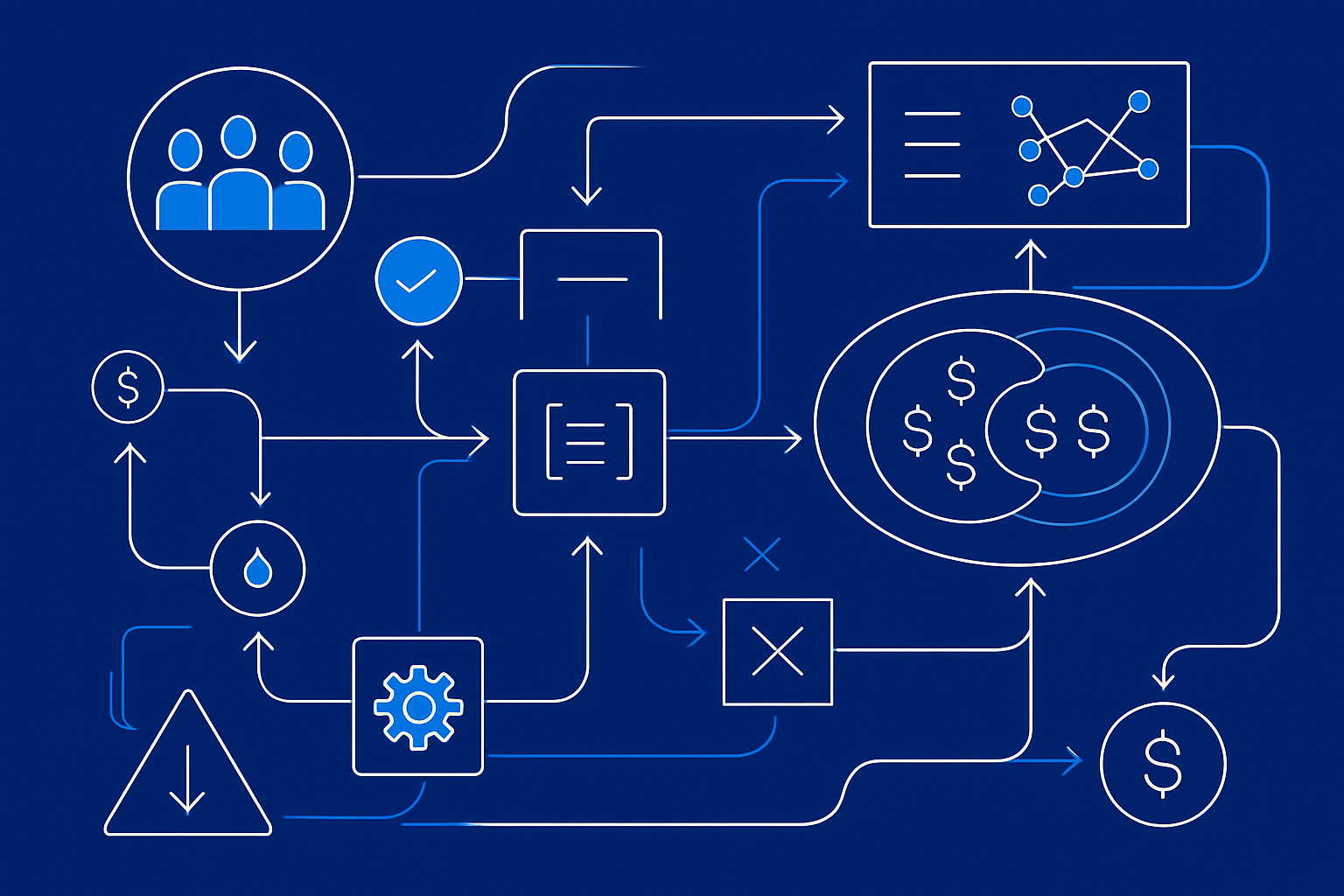
In the rapidly shifting landscape of decentralized governance, the quest for trust within confidential DAOs has collided with an urgent demand for privacy. As we move into 2025, DAOs are no longer fringe experiments but critical infrastructure for next-generation organizations. Yet, the paradox remains: how can you establish robust onchain reputation systems - the backbone of DAO trust - without exposing sensitive participant data?
Why Traditional Reputation Systems Fail Confidential DAOs
Conventional onchain reputation models typically require some form of identity disclosure or persistent address tracking. This approach is fundamentally at odds with the privacy-first ethos driving confidential DAOs. In public blockchains, every transaction and action is visible, making it trivial to link activity to a user’s wallet or even their real-world identity through off-chain correlation. For many DAO participants - whether activists, whistleblowers, or simply privacy advocates - this is unacceptable.
Recent research underscores this challenge. The Cryptology ePrint Archive describes frameworks enabling trustless provenance for digital media, while Concordium highlights a regulatory shift in the U. S. , acknowledging that cryptographic privacy and legal compliance can coexist if properly engineered. These developments signal that privacy-preserving onchain reputation isn’t just a technical preference; it’s becoming a strategic imperative.
The Rise of Privacy-Preserving Onchain Reputation Protocols
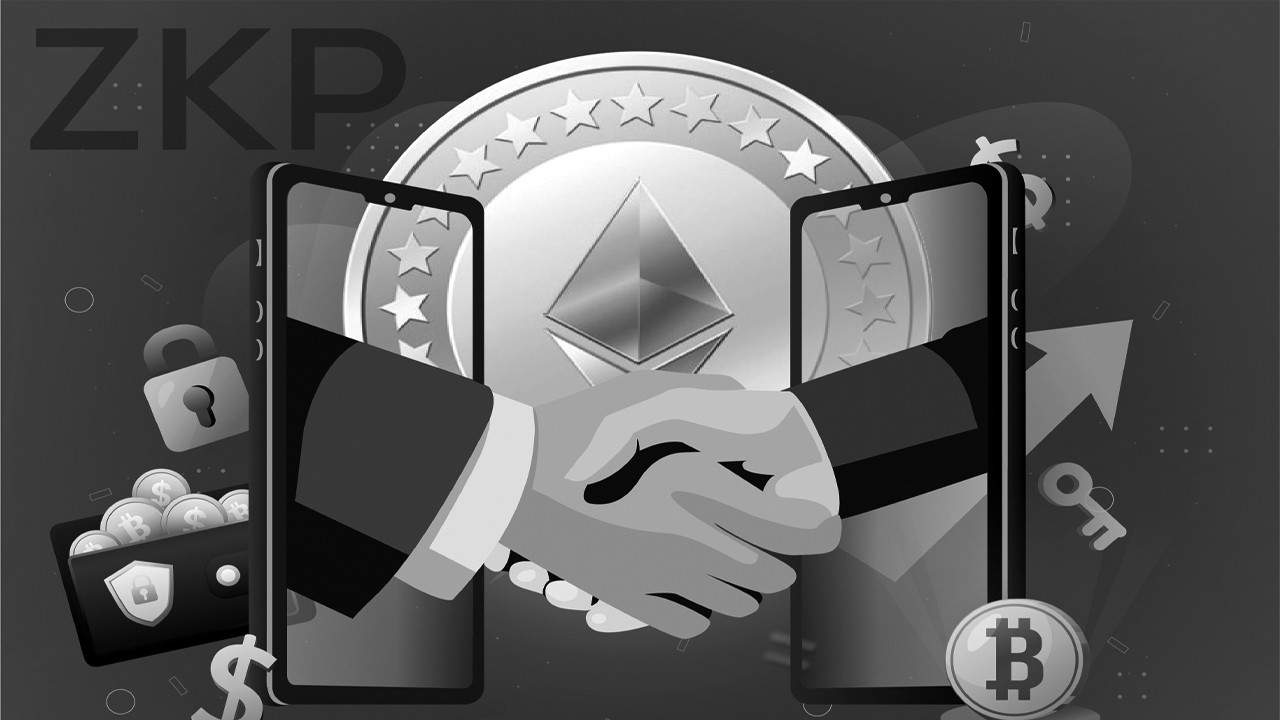
Modern confidential DAOs are now leveraging advanced cryptography to reconcile transparency with discretion. Zero-knowledge proofs (ZKPs) have emerged as the linchpin technology, allowing users to prove they possess certain credentials or have performed specific actions without revealing any underlying details.
Imagine a contributor who has completed ten successful proposals within a DAO. With ZKPs, they can prove their track record to governance contracts or other members without exposing which proposals they authored or how much they earned. This enables:
- Private eligibility checks: Members demonstrate voting power or seniority without disclosing their entire transaction history.
- Anonymized voting: Votes are cast and tallied transparently while keeping voter choices confidential.
- Confidential payroll: Contributors receive compensation in a way that’s publicly auditable but shields personal income details.
COTI’s 2026 vision paper and StarkWare’s ongoing work on hybrid privacy protocols both emphasize these capabilities as essential for the next era of private decentralized governance. The goal is clear: build verifiable DAO reputation protocols that empower trust without compromise.
Tackling Sybil Resistance Without Sacrificing Privacy
The Achilles’ heel of all reputation systems is Sybil resistance - preventing malicious actors from creating multiple identities to game governance processes or extract disproportionate value. Traditional approaches rely on invasive KYC or centralized attestations, but these are anathema to privacy-centric communities.
This is where innovative solutions like Anima and zkFi enter the scene. By combining biometric uniqueness proofs (without storing raw biometrics) and ZKPs attesting to humanity rather than identity, these protocols enable DAOs to enforce one-person-one-vote policies while remaining fully compliant with evolving regulations in jurisdictions like Singapore and the U. S.
- No more trade-off between Sybil resistance and anonymity.
- No honeypots of personal data for adversaries or regulators to target.
- No friction for global contributors who value confidentiality above all else.
The result? A new generation of confidential DAO trust systems, architected around privacy-preserving onchain reputation as both shield and sword against manipulation.
What’s striking in the 2025 landscape is how privacy-preserving onchain reputation is not just a technical upgrade, but a competitive edge. As DAOs scale across industries, finance, media, philanthropy, the ability to prove trustworthiness without exposing operational or personal data is now a baseline expectation. Participants demand it, regulators are beginning to understand it, and the technology has matured to deliver it.
Emergent Use Cases: Beyond Governance
Privacy-preserving reputation systems are unlocking new possibilities far beyond simple governance votes. For instance, decentralized media DAOs now use cryptographic attestations to verify the provenance of content, ensuring authenticity without ever disclosing the creator’s identity. In DeFi, private credit scoring allows users to access loans or underwrite risk pools based on provable track records, not public wallet histories. Even cross-chain bridges and NFT collectives are integrating these protocols to enable trust-minimized collaboration between pseudonymous actors.
This evolution is accelerating thanks to privacy-first chains supporting confidential smart contracts and seamless integration with existing DAO tooling. Protocols like Cosmos IBC now offer confidential governance modules as standard, while projects such as Zano and Firo extend financial anonymity into organizational workflows. The net effect: DAOs can onboard talent globally, manage sensitive operations, and coordinate capital without leaking strategic information.
Balancing Accountability With Confidentiality
The regulatory context cannot be ignored. As highlighted by Concordium’s research and recent U. S. administration signals, the future of DAO privacy will hinge on systems that balance confidentiality with verifiable accountability. Zero-knowledge KYC modules are already demonstrating how DAOs can remain compliant, recording policy definitions and enforcement actions on-chain, while never exposing participant identities or sensitive attributes.
For founders designing confidential DAOs today, this means embedding privacy from day one, not retrofitting it after the fact. Key best practices include:
- Leverage modular ZKP frameworks for eligibility checks, payroll proofs, and compliance attestations.
- Adopt Sybil resistance tools like Anima or zkFi that avoid centralized honeypots of personal data.
- Document cryptographic policy rules transparently on-chain so governance remains auditable even as identities stay shielded.
- Educate your community about the nuances of privacy-preserving participation, empowering informed consent at every layer of DAO interaction.
The Road Ahead for Confidential DAO Trust Systems
The momentum behind private decentralized governance is undeniable. Privacy-preserving onchain reputation systems are charting a path where trust is earned through action, not identity, and where accountability does not require exposure. As these protocols become more accessible and composable across chains and platforms, expect a new wave of DAOs that are both radically transparent in process yet fiercely protective of their members’ confidentiality.
If you’re building or participating in next-generation DAOs, now is the time to rethink your approach to reputation and trust systems. The playbook has changed: what was once considered advanced privacy tech is quickly becoming table stakes for serious Web3 organizations, and those who fail to adapt risk being left behind as confidential governance becomes the new norm.




No comments yet. Be the first to share your thoughts!