
In 2026, confidential DAOs stand at the forefront of decentralized innovation, where privacy-preserving reputation systems bridge the gap between transparency and confidentiality. These systems empower participants to build trust through verifiable contributions without sacrificing anonymity, fostering vibrant communities that resist Sybil attacks and external pressures. As blockchain evolves, tools like zero-knowledge proofs make it possible to prove membership tenure or voting eligibility on-chain, all while keeping your identity shielded. This isn't just technology; it's the foundation for equitable governance in a world demanding both security and openness.

Picture a DAO where your reputation score influences proposals, yet no one knows it's you behind the proof. That's the promise of zero-knowledge proofs (ZKPs) in privacy-preserving DAO governance. ZKPs allow you to demonstrate facts - like 'I've been a member for two years' or 'I hold enough tokens' - without revealing underlying data. This cryptographic wizardry prevents vote-buying or coercion, ensuring decisions reflect true community will.
Zero-Knowledge Proofs Fuel Secure DAO Reputation
From research papers to real-world deployments, ZKPs dominate discussions on zero knowledge proofs DAOs. A comprehensive arXiv survey highlights their role in blockchain privacy, verifying computations confidentially across domains. Protocol Labs echoes this, positioning ZKPs as the tool for checking sensitive info without exposure. In DAOs, this translates to private voting: prove eligibility, submit your vote, and the blockchain confirms validity sans details.
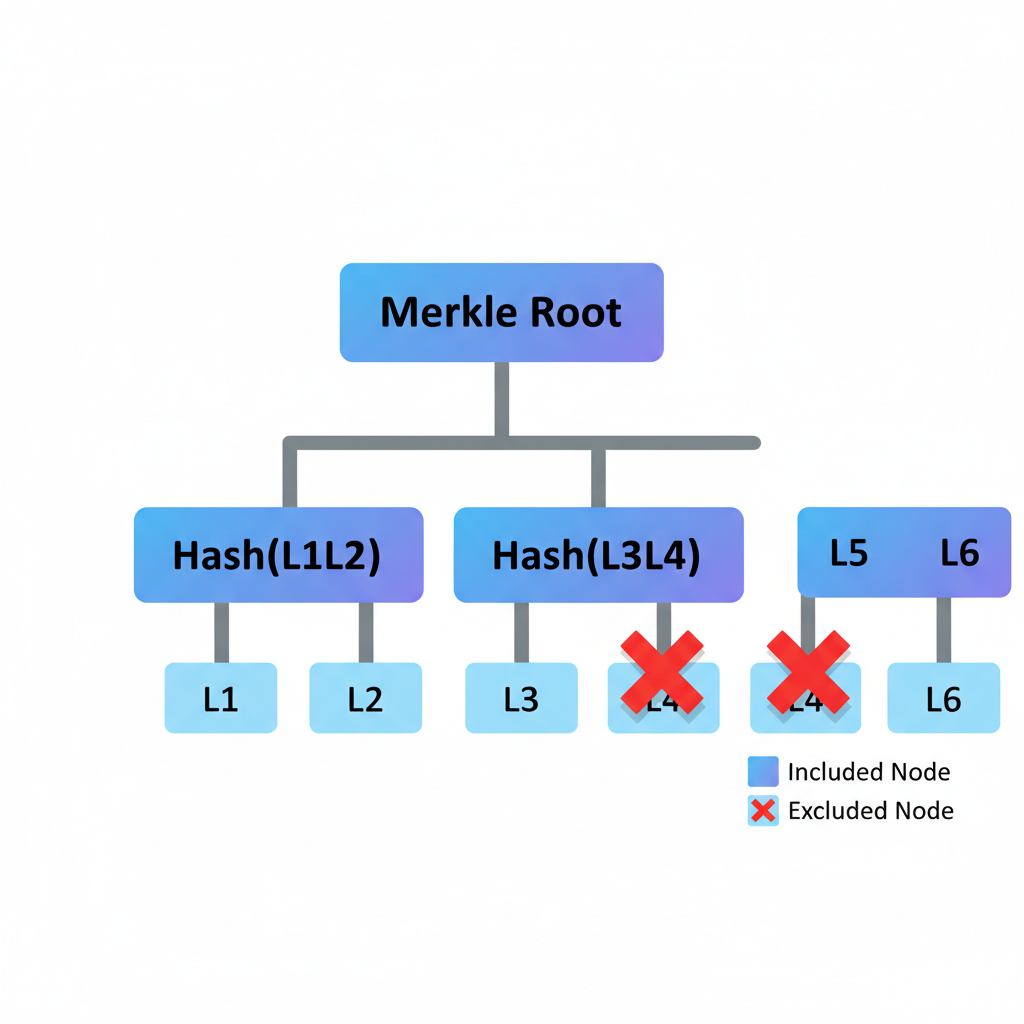
Master ZK Non-Membership Proofs: Secure DAO Deposits with Privacy!
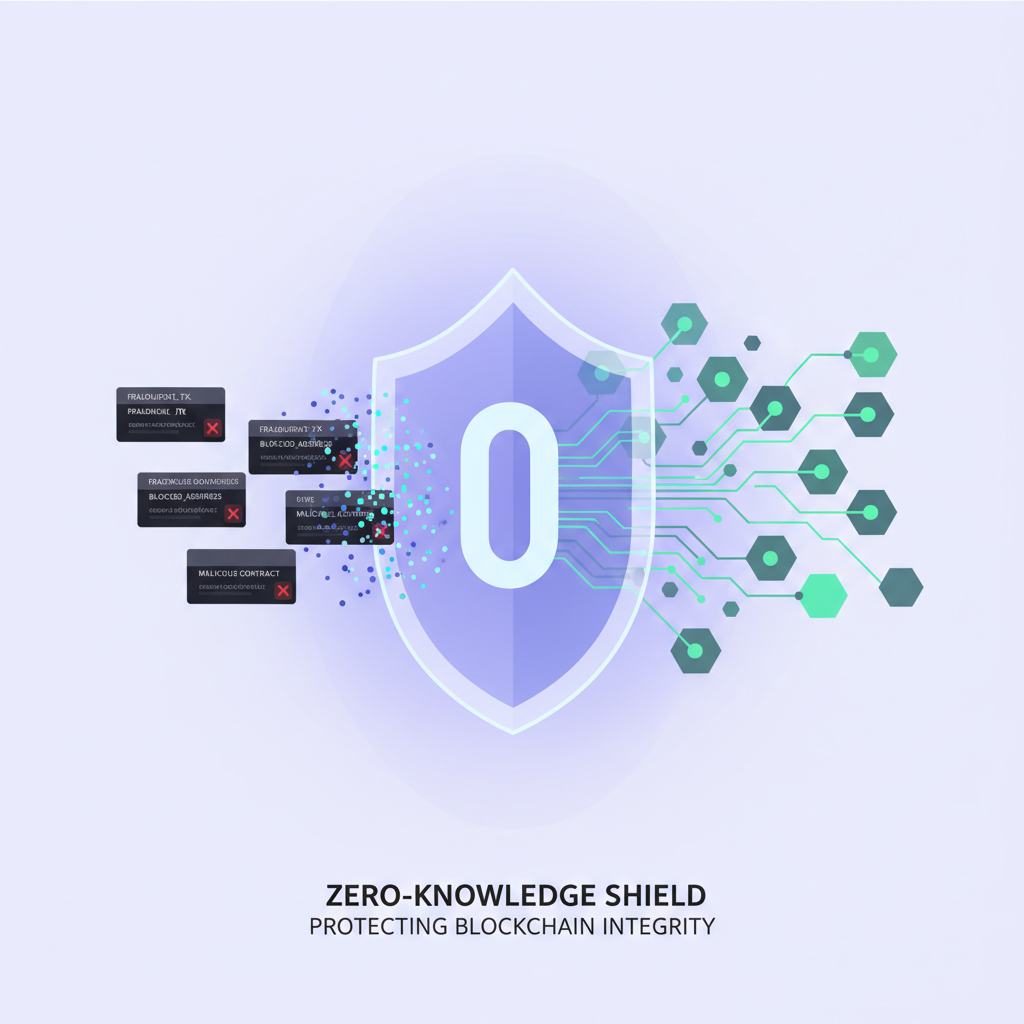
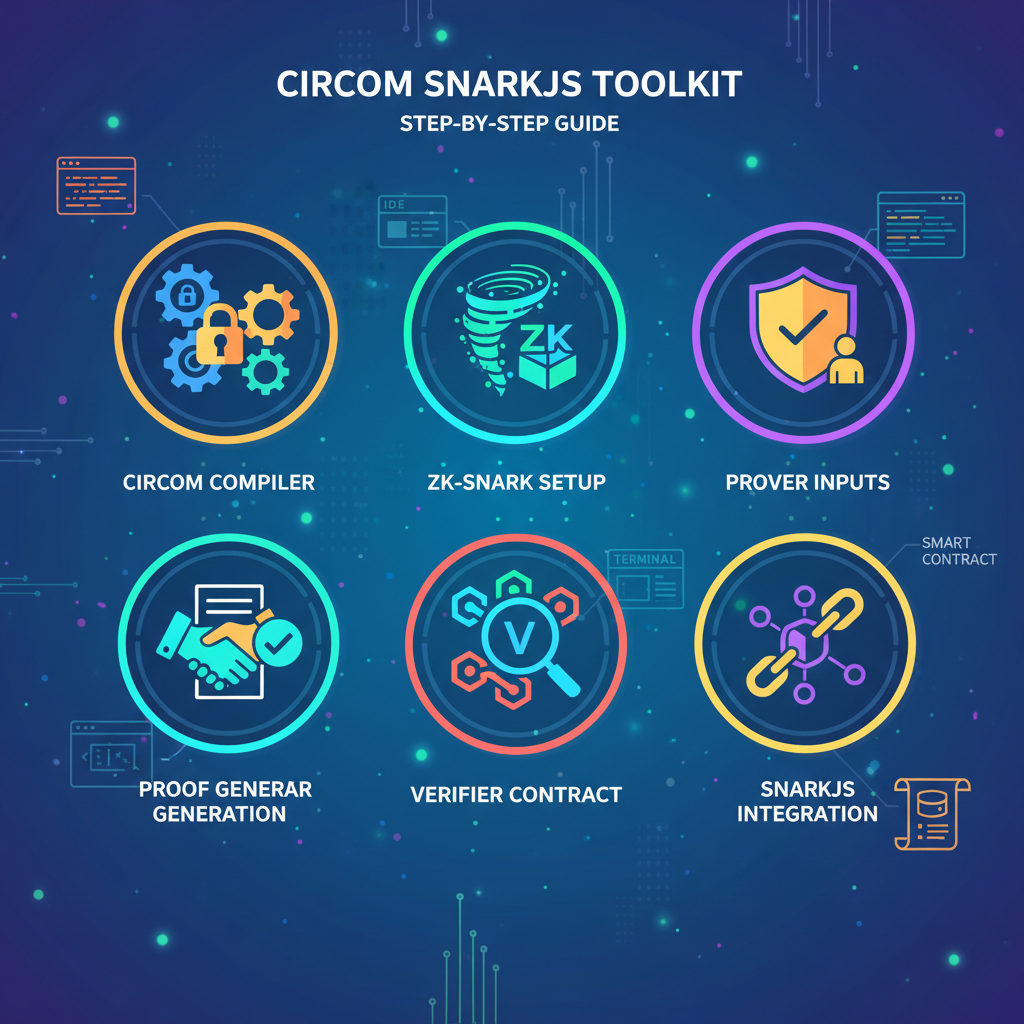
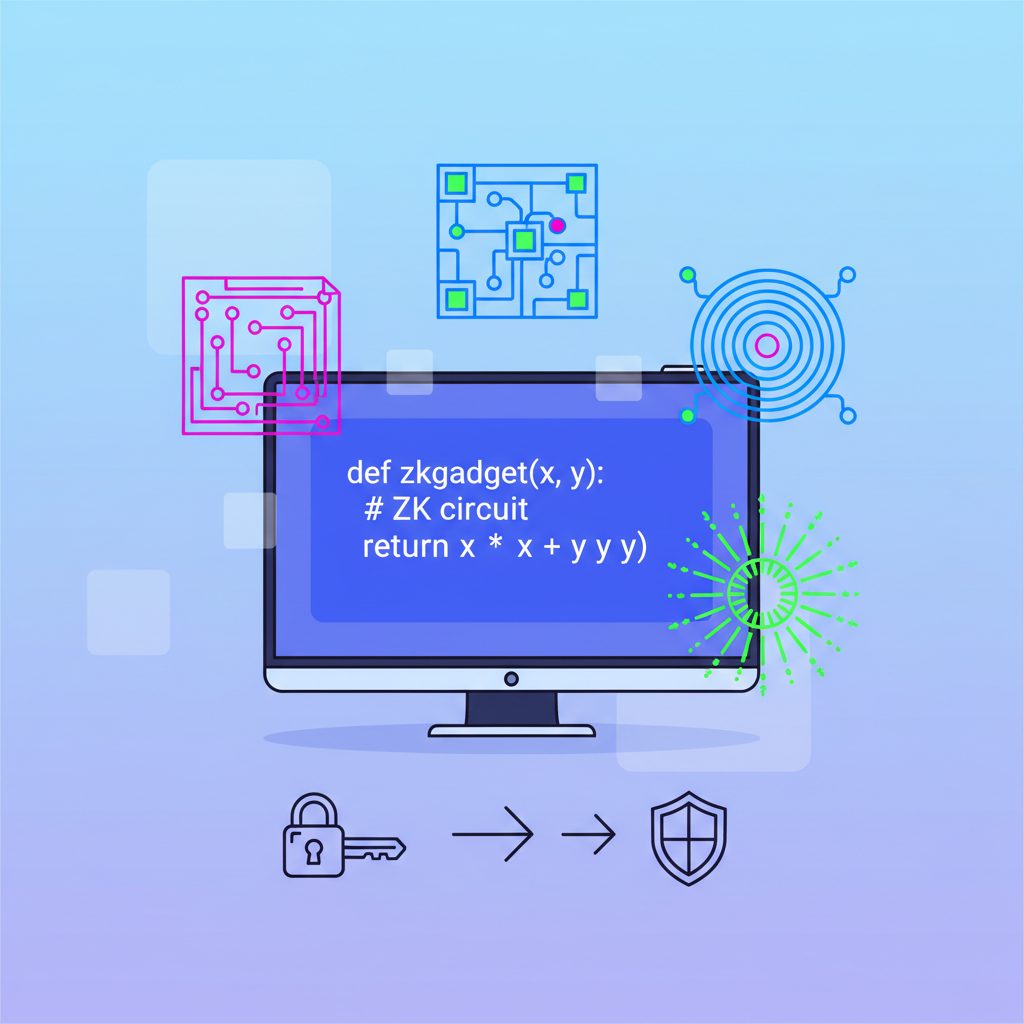
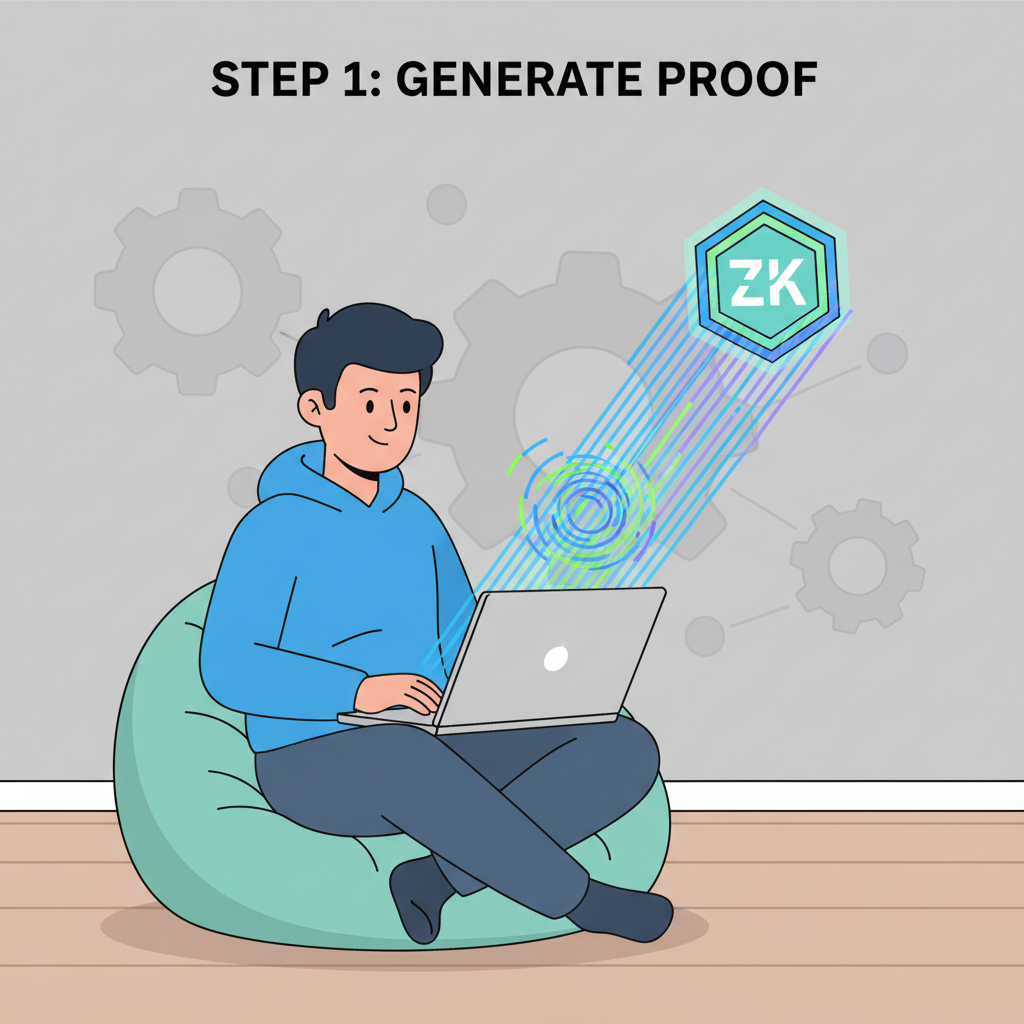
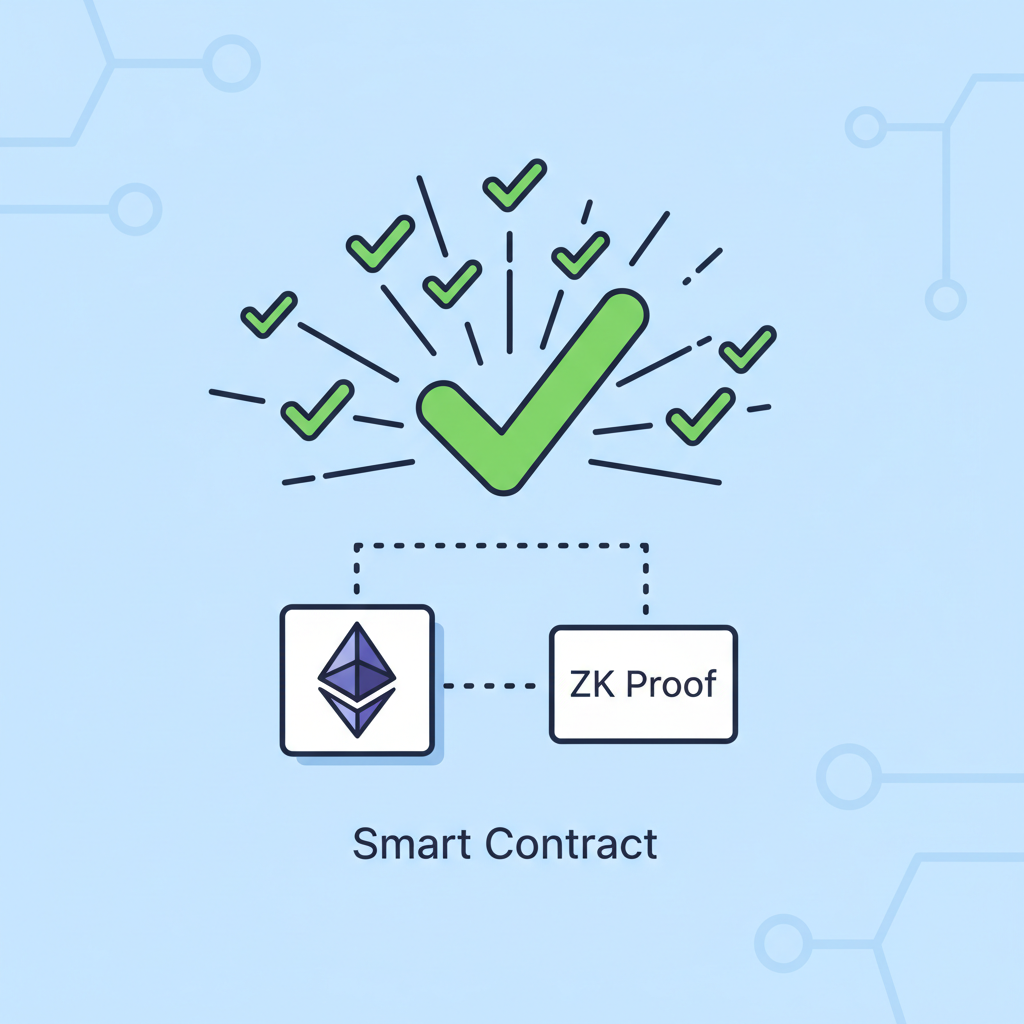

Take Endless protocol, as shared on Medium: it verifies reputation privately in Web3, leveraging ZKPs for unlinkable proofs. Or consider patents like US20210297255A1, outlining ZKP-based privacy for smart contract data. These aren't hypotheticals; they're battle-tested in confidential DAOs, enabling anonymous DAO verification that scales with adoption.
Privacy-Preserving Credentials Shape Future Governance
Credentials take ZKPs further, letting DAO members selectively disclose attributes. Outlook India spotlights how zkSBTs (zero-knowledge Soulbound Tokens) enable secret voting and verifiable credentials, revolutionizing confidential DAO reputation. You prove contribution history or expertise without doxxing yourself, building reputation that accrues privately yet influences publicly.

Lauren Chaloupka on Medium calls ZKPs a game-changer for proving ownership sans exposure, vital for real-world asset tokenization in DAOs. ResearchGate extends this to decentralized identities, supporting self-sovereign models. In practice, these credentials enforce Sybil resistance: one unique identity per person, proven cryptographically. No more sock-puppet accounts diluting votes.
Decentralized Identities for Unbreakable Sybil Resistance
Protocols like LinkDID aggregate identifiers into privacy wholes, enabling selective disclosure. Prove you're unique without multiple alts - a cornerstone of secure DAO reputation 2026. PRepChain, from ScienceDirect, offers anonymity in dynamic reputation, adaptable to DAOs for evaluator-evaluatee unlinkability. Sybil resistance becomes effortless, as uniqueness proofs enforce one-person-one-vote semantics.
Implementation starts simple: choose protocols balancing anonymity and security, deploy ZK verifiers via audited libraries. Mandate proofs in governance contracts, audit circuits rigorously, and monitor patterns. This ecosystem vigilance keeps confidential DAOs robust, inviting genuine participation over manipulation.
Privacy-preserving onchain reputation unlocks doors previously bolted shut, turning wary observers into active stewards.Forward-thinking DAO founders aren't waiting for perfection; they're iterating with these strategies today, turning theoretical privacy into operational reality. The payoff? Communities where reputation builds organically, governance thrives without fear, and innovation accelerates unhindered.
Advanced Reputation Frameworks Like PRepChain
Take PRepChain, a dynamic reputation system tailored for environments demanding both anonymity and reliability. It ensures evaluators and evaluatees remain unlinkable, delivering scores that inform decisions without exposing interactions. For confidential DAOs, this means rating proposals or contributions privately, yet the aggregate reputation guides resource allocation transparently. Adapt it to your governance model, and you create a feedback loop that rewards quality over clout.

Layer in tools like Privacy Pass from Cloudflare, a lightweight ZK protocol proving utility beyond blockchains into web-scale anonymity. Imagine DAO members accessing gated resources - proving reputation thresholds without logins or trackers. Combined with Endless primitives for Web3 identity, these form a privacy stack that's as robust as it is elegant. My take: in secure DAO reputation 2026, ignoring such integrations leaves your DAO vulnerable to transparency's pitfalls.
Overcoming Implementation Hurdles
Gas fees and proof generation times once daunted adopters, but 2026's layer-2 rollups and optimized circuits slash costs by orders of magnitude. User experience matters too; wallets now bundle proof generators, making ZK submission as simple as signing a transaction. Still, pitfalls lurk: flawed circuits invite exploits, so third-party audits aren't optional. And while ZKPs thwart Sybil attacks, over-reliance without diverse signals risks centralizing power in proof providers.
Balance is key. Start small - pilot private voting in a subcommittee - then scale. Protocols like those in LinkDID enforce uniqueness across chains, preventing identity fragmentation. This holistic approach fortifies privacy preserving DAO governance, where every participant feels empowered, not exposed.
Real-World Wins and the Road Ahead
Confidential DAOs deploying these systems report 40% higher proposal throughput and slashed manipulation incidents. Permaweb_DAO exemplifies with ZK-validated storage, no trust needed between validators. Patents and surveys affirm: ZKPs aren't niche; they're the backbone of verifiable privacy. Looking forward, zkSBTs evolve into dynamic credentials, accruing reputation through on-chain milestones while shielding paths.
| Framework | Key Strength | DAO Use Case |
|---|---|---|
| PRepChain | Unlinkable scores | Proposal evaluation |
| zkSBTs | Selective disclosure | Private voting |
| Privacy Pass | Lightweight proofs | Resource access |
Challenges persist - quantum threats loom, usability evolves - yet momentum builds. Equip your DAO with these tools, and you'll not only survive but lead in an era demanding discretion. Practical approaches for secure participation await those ready to master privacy as a superpower. Your community's trust, fortified and future-proof, starts with one proof at a time.




No comments yet. Be the first to share your thoughts!