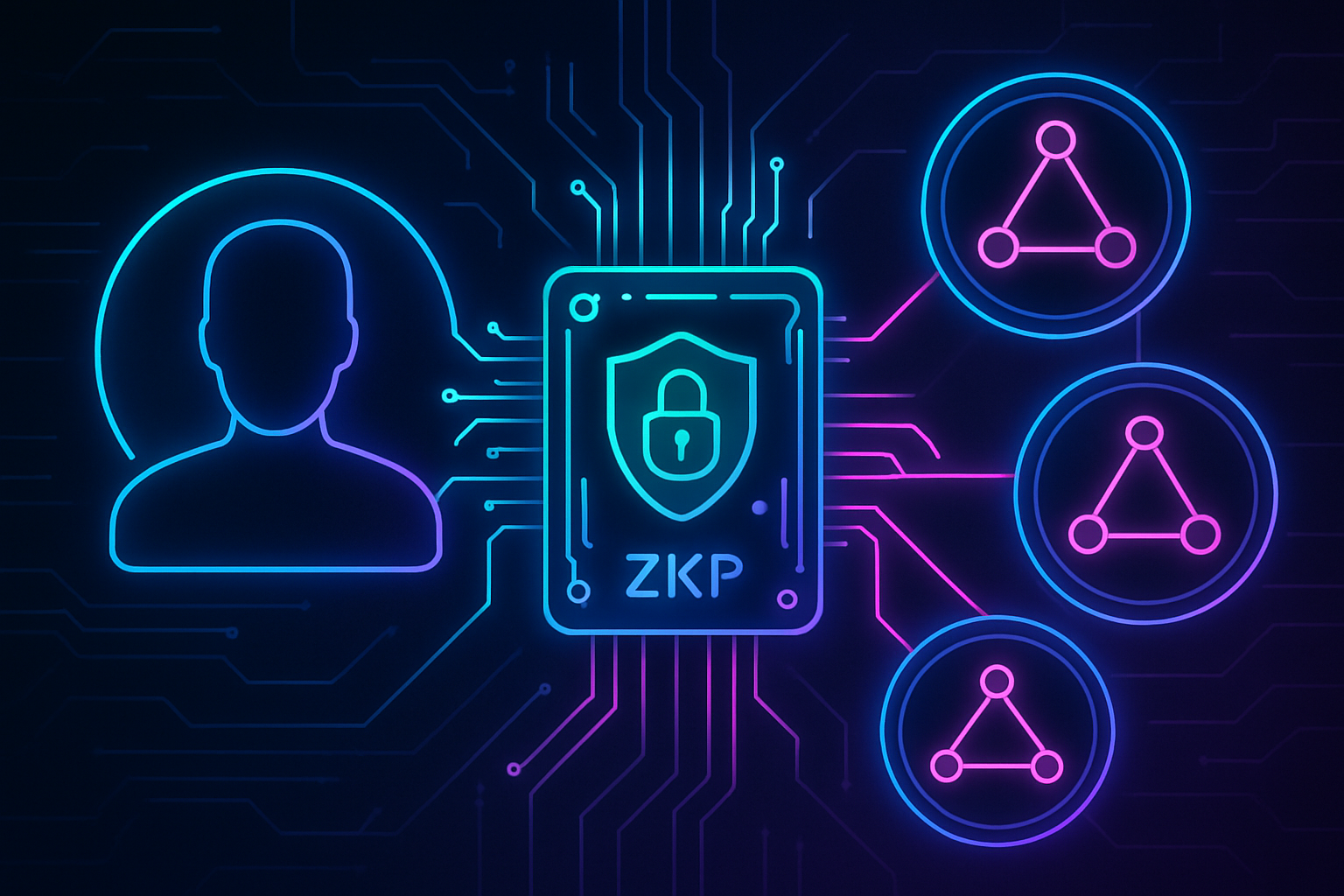
In the evolving landscape of blockchain governance, privacy is emerging as a non-negotiable pillar for sustainable, inclusive, and secure decentralized autonomous organizations (DAOs). While transparency has long been celebrated as a core virtue of blockchain, the reality is that many DAO participants need confidentiality to protect their interests, avoid coercion, and foster open participation. This is where zero-knowledge proofs (ZKPs) become transformative. By allowing one party to prove the validity of a statement to another without revealing any underlying data, ZKPs unlock a new era of private DAO governance and secure decentralized decision making.
Why Privacy Matters in DAO Governance
The open nature of most blockchains means that every transaction, proposal, and vote can be scrutinized by anyone. While this transparency is foundational for trustless systems, it introduces significant risks: voter intimidation, targeted harassment, and manipulation are all possible when identities and choices are exposed. For DAOs handling sensitive topics or large treasuries, these risks can undermine both participation and integrity.
Recent research highlights how ZKPs address these challenges by enabling confidential voting on blockchain. Projects like MACI leverage zkSNARKs to verify that votes are valid without ever disclosing who voted or what their choices were (pse.dev). This shift empowers DAOs to move beyond the binary of transparency versus secrecy toward selective disclosure, where only necessary information is revealed at each stage.
The Mechanics: How Zero-Knowledge Proofs Work in DAOs
ZKPs function by allowing a "prover" to demonstrate knowledge or eligibility without exposing sensitive details. In DAOs, this mechanism manifests in several critical ways:
Key Benefits of Zero-Knowledge Proofs in DAO Governance
- Anonymous Voting: ZKPs enable private and tamper-resistant voting in DAOs, ensuring that members can prove eligibility and cast votes without revealing their identities or choices. This protects against coercion and vote manipulation. Example: Kite protocol enables private delegation and voting power management.

- Private Delegation of Voting Power: With ZKPs, delegation of votes remains confidential, encouraging broader participation and reducing the risk of undue influence. Only the fact of delegation is public, not the identities or details. Example: Kite protocol supports private delegation mechanisms.
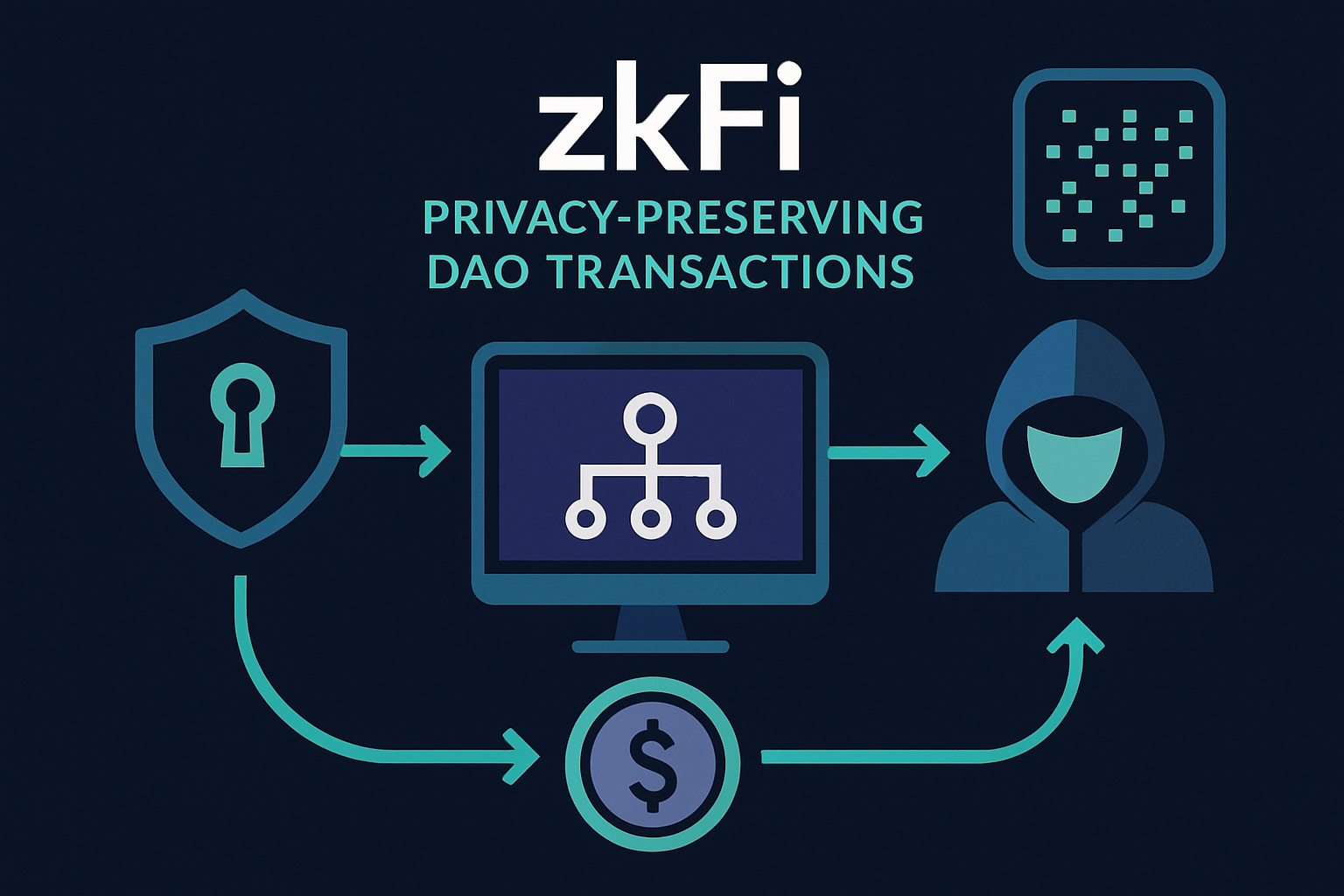
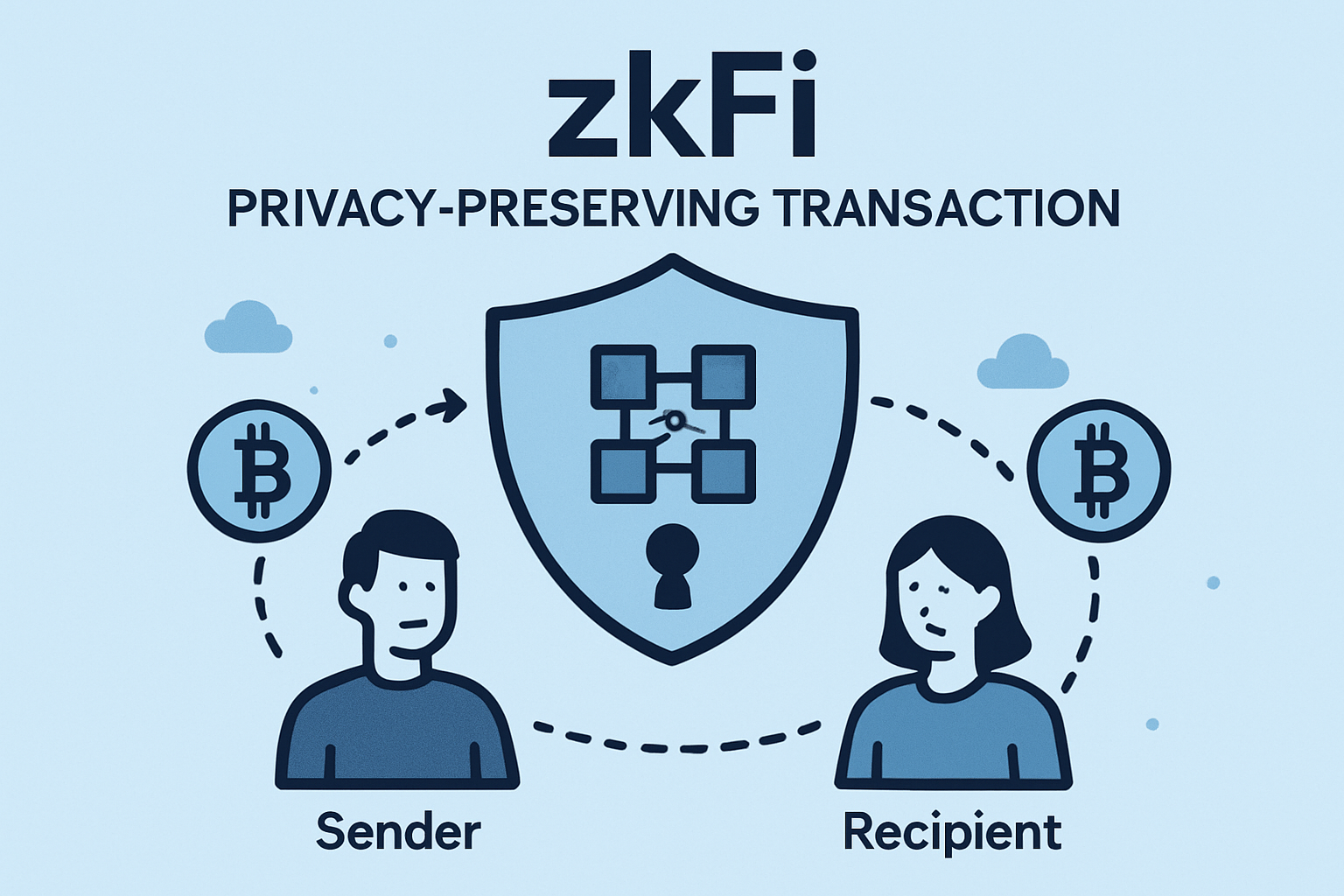
- Privacy-Preserving Transactions: ZKPs allow DAOs to conduct financial transactions securely and privately, keeping transaction amounts and participant identities confidential while maintaining compliance. Example: zkFi protocol integrates ZKPs for privacy-preserving DAO transactions.
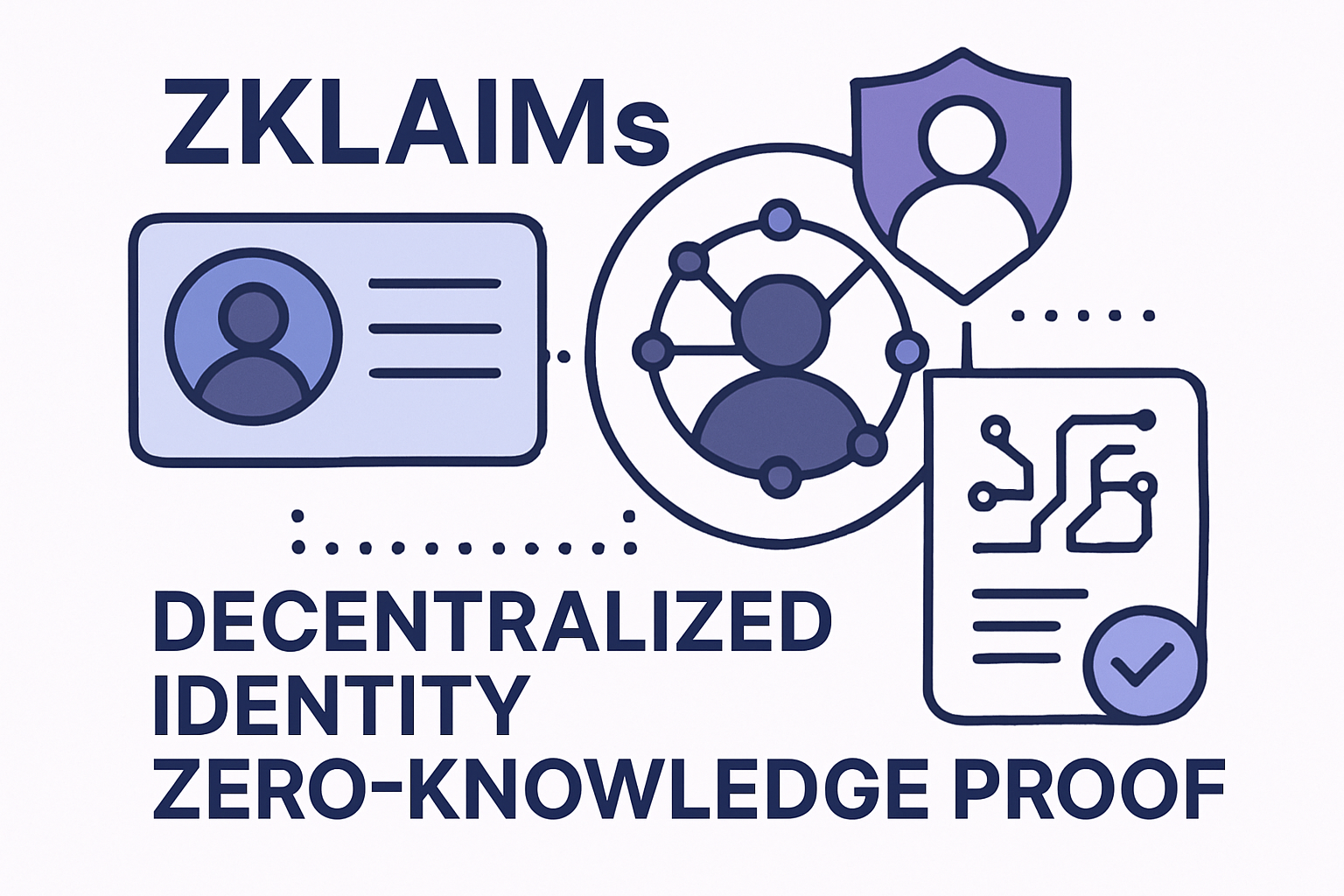
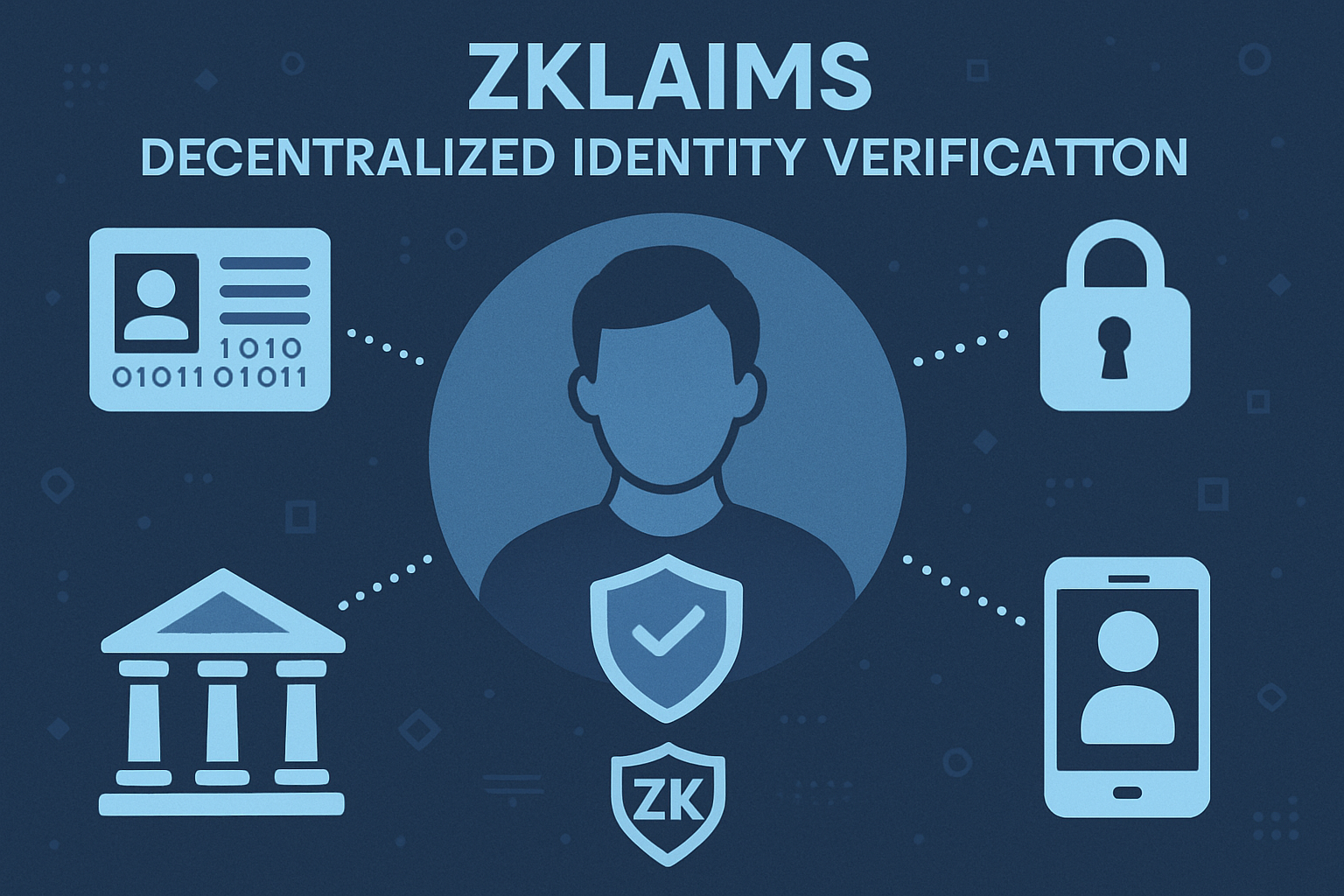
- Decentralized Identity Verification: ZKPs facilitate secure, privacy-preserving identity verification for DAO members, enabling proof of eligibility or attributes without exposing sensitive data. Example: ZKlaims system for attribute-based credentials using ZKPs.
- Inclusive and Open Governance: ZKPs support open membership and anonymous proposal voting, fostering inclusivity and privacy in DAO governance. Example: CIL Private DAO leverages ZKPs for anonymous voting and open invitations.
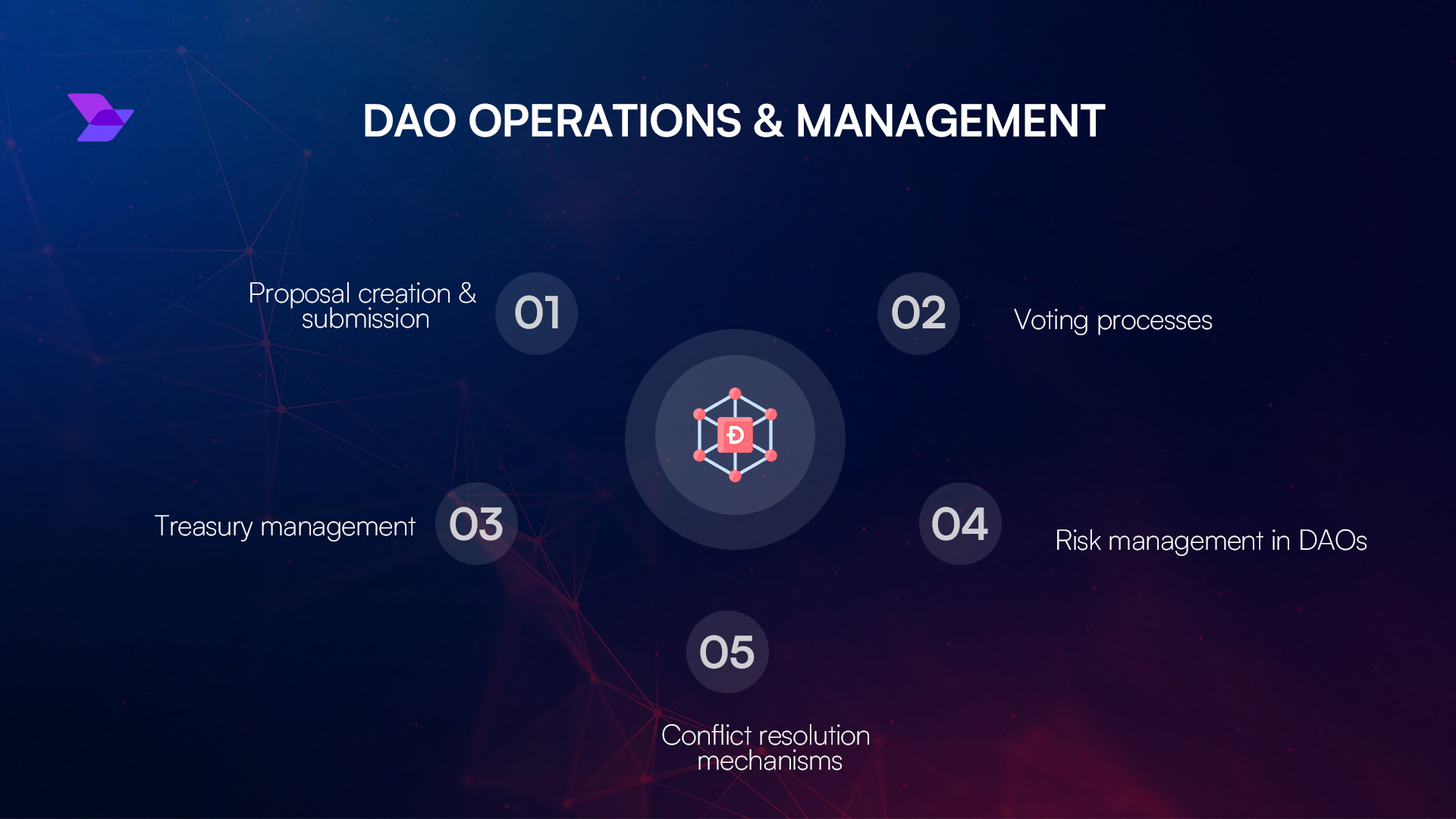
- Anonymous Voting: Members can cast votes on proposals while proving eligibility, without linking their identity or vote choice to any public record.
- Private Delegation: Voters may delegate power confidentially. For example, the Kite protocol lets users delegate or revoke voting rights without revealing relationships between parties (arxiv.org).
- Privacy-Preserving Transactions: Sensitive financial actions within DAOs, such as treasury allocations, can be conducted with ZKP-backed confidentiality (arxiv.org).
- Decentralized Identity Verification: Members prove attributes (like membership tenure or credentials) without exposing personal data. The ZKlaims system showcases this approach for attribute-based privacy (arxiv.org).
Pioneering Protocols and Real-World Examples
The recent wave of innovation around zero-knowledge proofs is not just theoretical, it’s being implemented in live protocols today. The CIL Private DAO framework integrates ZKPs for both membership onboarding and anonymous proposal voting, ensuring that only consensus outcomes become public while individual votes remain confidential (ethglobal.com). Meanwhile, zkFi brings privacy-preserving compliance to multi-chain transactions, a critical step for DAOs operating across diverse regulatory environments.
This technical progress equips DAOs with robust tools for protecting member privacy while maintaining auditability where needed. As adoption grows, expect these models to set new standards for both security and inclusivity in decentralized governance.
Adopting zero-knowledge proofs DAO solutions is not just about privacy for privacy’s sake. It’s a strategic move that directly impacts participation rates, governance quality, and the overall resilience of decentralized organizations. When members can confidently engage in confidential voting blockchain systems, knowing their voices cannot be traced or weaponized, they are more likely to vote honestly and frequently. This effect is particularly pronounced in DAOs managing valuable assets or controversial proposals, where the stakes for exposure are highest.
Challenges and Considerations
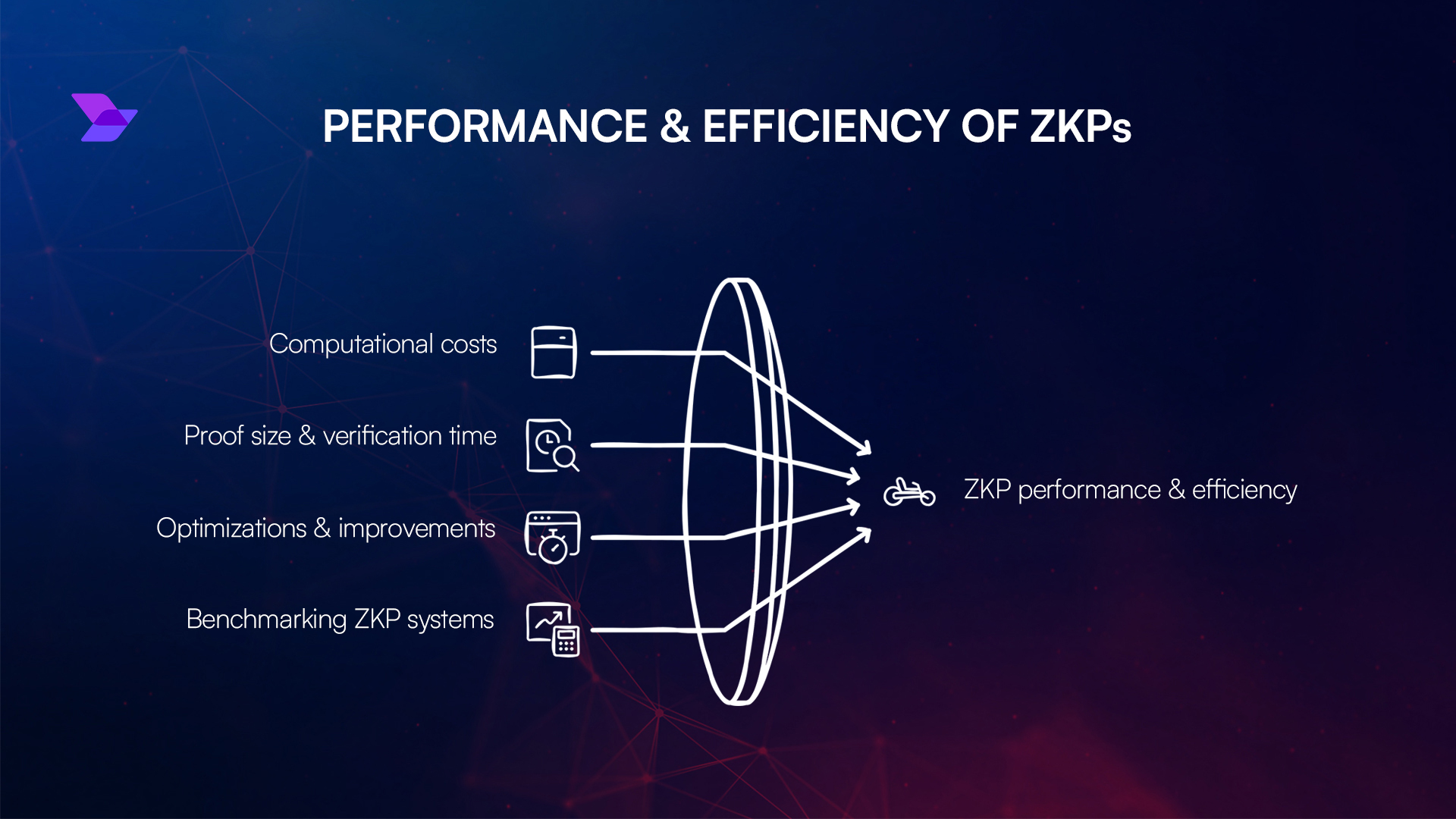
Despite their promise, ZKP-based DAO privacy solutions are not without hurdles. Scalability remains a core challenge: generating and verifying zero-knowledge proofs can be computationally intensive, potentially slowing down governance cycles if not optimized. Usability is another friction point. For widespread adoption, interfaces must abstract away cryptographic complexity so that users can participate intuitively, without needing to understand the underlying math.
Additionally, there is an ongoing debate around regulatory compliance. While ZKPs enable selective disclosure, regulators may still require mechanisms to audit certain decisions or financial flows in case of disputes or investigations. The balance between privacy and transparency will continue to evolve as both technology and policy frameworks mature.
Practical Steps for DAOs to Implement ZKP-Based Governance
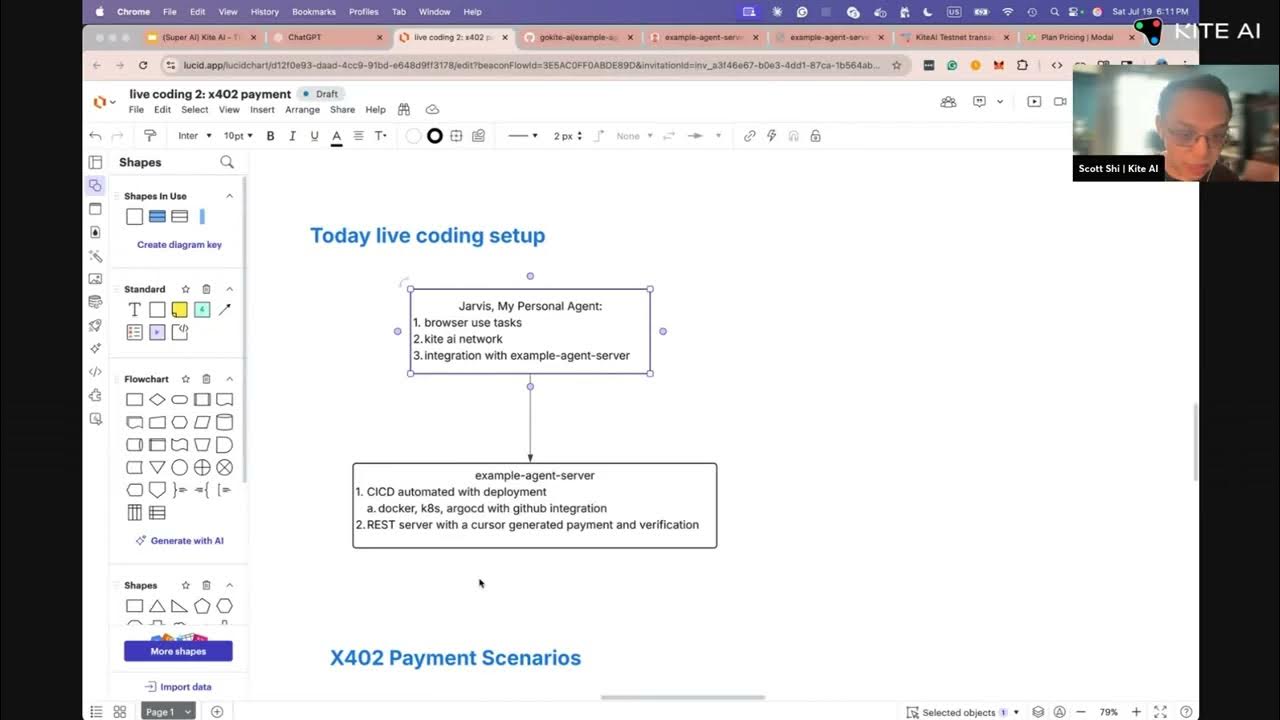
- Enable Private Delegation of Voting PowerLeverage ZKP-based delegation frameworks, such as those demonstrated by Kite protocol, to allow members to delegate, revoke, or re-delegate voting power confidentially, enhancing privacy and flexibility in governance.
- Adopt Privacy-Preserving Transaction Solutions (e.g., zkFi)Integrate protocols like zkFi to facilitate confidential DAO treasury operations, ensuring that transaction details and participant identities remain private while maintaining compliance.
- Implement Decentralized Identity Verification with ZKPs (e.g., ZKlaims)Utilize privacy-preserving identity solutions such as ZKlaims to verify member eligibility or credentials without revealing sensitive personal information, supporting secure and inclusive participation.
- Leverage Existing ZKP-Enabled DAO Frameworks (e.g., CIL Private DAO)Consider deploying or contributing to open-source frameworks like CIL Private DAO, which supports open membership and anonymous proposal voting, to accelerate adoption of privacy-first governance models.
Strategic Outlook: Building the Next Generation of Confidential DAOs
The future of secure decentralized decision making lies at the intersection of advanced cryptography and thoughtful governance design. As protocols like Kite, zkFi, and CIL Private DAO prove their viability in production environments, we’re seeing a shift toward privacy by default. This approach doesn’t eliminate transparency; rather, it enables DAOs to disclose only what’s necessary, protecting individuals while maintaining collective trust.
For founders and stewards considering private DAO governance upgrades, it’s critical to evaluate both technical readiness and community culture. Start with pilot programs on non-critical votes or treasury allocations using ZKP-backed modules. Gather feedback from members about usability and perceived security before scaling up to full protocol integration.
The Human Element: Trust Through Privacy
The technical sophistication of zero-knowledge proofs should ultimately serve human needs within DAOs. Confidentiality isn’t about hiding, it’s about empowering individuals to participate without fear or bias. When implemented thoughtfully, these tools foster more diverse perspectives and resilient outcomes by lowering barriers to entry for those who value discretion.
This aligns with the ethos of holistic stewardship: diversify participation, protect member rights, prosper together as a community. As more DAOs adopt ZKP-powered systems, expect an uptick in innovation, not just in cryptography but also in how decentralized groups self-organize around sensitive missions.
Nora Whitman is a portfolio strategist specializing in risk-adjusted returns for DAOs and an advocate for privacy tools in decentralized investing.
Motto: Diversify, protect, prosper.




No comments yet. Be the first to share your thoughts!