
In 2025, the landscape of DAO governance is being reshaped by a single, pressing challenge: how to enable open, democratic decision-making without sacrificing privacy or falling prey to Sybil attacks. Enter the idOS Network, a privacy-first decentralized identity protocol that’s quietly becoming the backbone of confidential DAOs worldwide. If you’ve ever wondered how DAOs can verify real, unique members without exposing sensitive data or letting bots rig the vote, this is where the story gets interesting.
Why Sybil Attacks Still Haunt DAO Voting
DAOs thrive on trustless participation. But with that freedom comes an old nemesis: Sybil attacks. In these attacks, bad actors spin up countless fake identities to tip votes in their favor. The stakes are high: from treasury allocations to protocol upgrades, a single attack can undermine months of community work.
Classic defenses like token-weighted voting or KYC checks have critical flaws. Token-based systems are easily gamed by whales and don’t stop bots. Meanwhile, traditional KYC means handing over your passport or driver’s license to centralized entities again and again - a privacy nightmare and a massive honeypot for hackers.
Quadratic voting promised fairer outcomes by amplifying minority voices but proved vulnerable to Sybils unless every participant’s uniqueness could be cryptographically guaranteed (see more on decentralized identity for DAOs). That’s where idOS steps up with an elegant solution.
idOS Network: Privacy-Preserving Identity at Scale
The idOS Network flips the script on identity verification. Here’s how:
- User-Owned Credentials: Every piece of personal data is encrypted with keys controlled solely by the user. Not even node operators can peek inside (source: idos. network).
- Single Verification, Infinite Use: Complete KYC once with a trusted provider inside idOS. The resulting verifiable credentials can be used across dozens of blockchains and dApps - no need to resubmit sensitive info for every new DAO.
- No Data Leakage: When you prove your uniqueness in a DAO vote, you reveal nothing about your actual identity - only that you are indeed one real human with one valid vote.
This approach doesn’t just raise the bar for privacy; it makes it possible for global users to participate in confidential DAOs without fear of surveillance or doxxing.
The Secret Sauce: Decentralized Identifiers and Verifiable Credentials
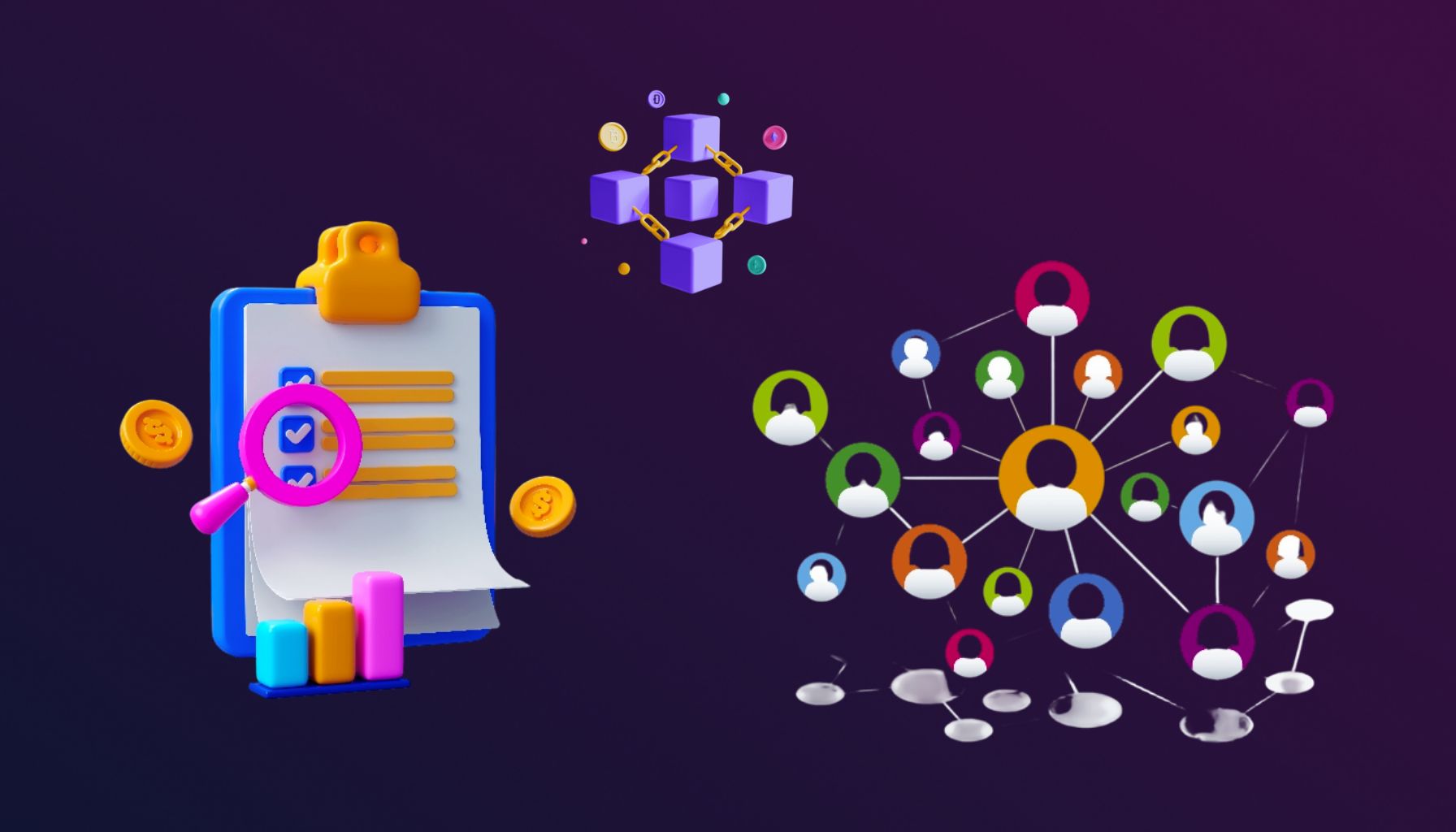
The magic behind idOS lies in its use of Decentralized Identifiers (DIDs). Each user holds a unique DID anchored on-chain but decoupled from any public profile or personally identifiable information (PII). Through zero-knowledge proofs and verifiable credentials, users can demonstrate their "personhood" and eligibility for DAO participation without revealing who they are.
This unlocks two game-changing benefits:
- Total Privacy: No more leaking wallet addresses tied to your real-world ID. Your participation remains confidential at every step.
- Slam-Dunk Sybil Resistance: Bots can’t fake what they don’t control - only verified humans get credentials that pass muster in idOS-enabled DAO votes.
The result? For the first time, DAOs can run scalable quadratic voting or even more advanced governance models without fear of ballot stuffing or mass deanonymization (learn more about confidential voting systems here).
Beyond the cryptography, idOS’s design is about empowering communities. Imagine a global DAO where contributors from Lagos, Lisbon, and Lima all have equal power to steer protocol upgrades, no matter their wallet size or location. With idOS, this vision is finally achievable, because every member can prove their uniqueness while keeping their private details locked away from prying eyes and centralized authorities.
How DAOs Are Using idOS in 2025
Real-world adoption has exploded. Today’s leading DAOs are integrating idOS for everything from funding proposals to council elections. Here’s what sets these next-gen governance flows apart:
Top DAOs Using idOS for Sybil-Resistant Voting in 2025
- Uniswap DAO — As one of the largest DeFi protocols, Uniswap DAO leverages idOS to ensure every governance vote is cast by a unique, verified participant, enhancing fairness and privacy.
- Gitcoin DAO — Focused on funding public goods, Gitcoin DAO integrates idOS for Sybil-resistant quadratic voting, protecting grant distributions from manipulation.
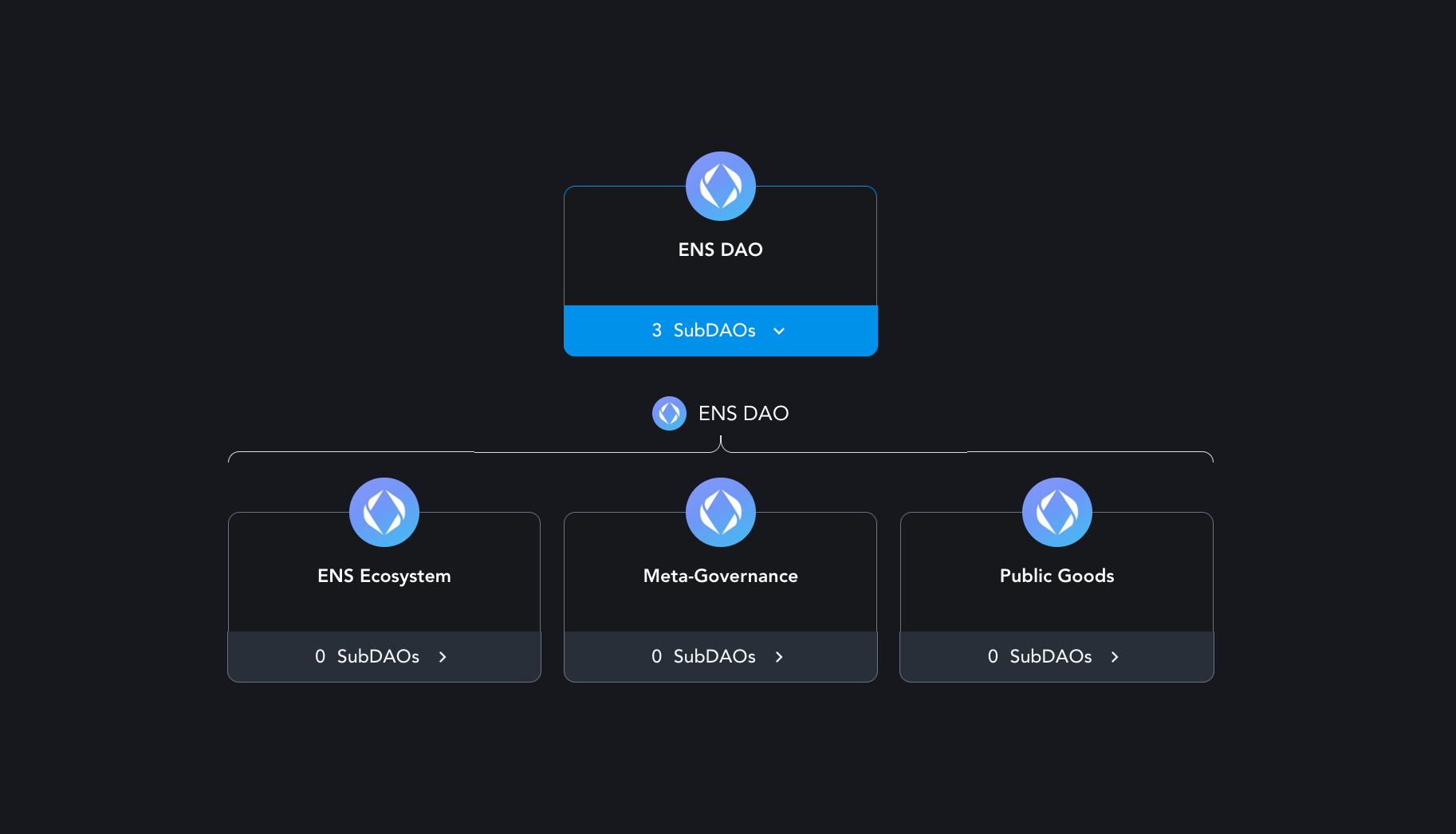
- ENS DAO (Ethereum Name Service) — By adopting idOS, ENS DAO maintains democratic, privacy-preserving votes for domain governance, safeguarding against Sybil attacks.
- Optimism Collective — The Optimism DAO uses idOS to verify unique identities in retroactive public goods funding rounds, ensuring transparent and Sybil-resistant allocations.
- Aragon DAO — As a pioneer in DAO infrastructure, Aragon DAO utilizes idOS to deliver secure, privacy-first voting experiences for its global community.
1. Frictionless Onboarding: New members verify once and join any number of DAOs without repeating KYC or risking data exposure. This lowers the bar for participation and broadens the talent pool.
2. Portable Reputation: Verifiable credentials aren’t just about voting, they’re becoming the backbone of decentralized reputation systems. Members can build trust across multiple projects while maintaining privacy, which is a game-changer for collaboration and contributor rewards.
3. Transparent Yet Confidential Voting: On-chain proofs ensure each vote is counted, but the contents remain confidential, even from node operators or governance facilitators. This eliminates vote-buying incentives and shields minority voters from retaliation (see how confidential voting enhances DAO security).
Challenges and What Comes Next
No system is perfect, and privacy-preserving DAO voting still faces hurdles. For example, ensuring coercion resistance (where no one can force you to prove how you voted) remains an open challenge. The good news? The cryptography community is racing ahead with new protocols that combine zero-knowledge proofs with advanced multi-party computation to address these issues head-on.
The user experience also matters: seamless integration into familiar wallet interfaces and dApps will be key to mass adoption. Projects building on idOS are already shipping intuitive onboarding flows that feel as simple as logging into your favorite app, without ever sacrificing privacy or Sybil resistance.
The Future: Private, Democratic DAOs at Scale
The bottom line? The age of pseudonymous yet accountable digital democracy has arrived. With idOS as the connective tissue, confidential DAOs can finally unlock governance models that are both inclusive and secure, even as they scale to tens of thousands of members worldwide.
If you’re building or participating in a DAO today, it’s time to rethink what’s possible when privacy isn’t an afterthought but a core feature, from portable self-sovereign identity to bulletproof Sybil resistance and beyond.
Dive deeper into technical best practices and cutting-edge protocols for private DAO governance at our deep dive on verifiable private identities in DAOs.




No comments yet. Be the first to share your thoughts!