
In the evolving landscape of decentralized autonomous organizations, governance hinges on participation, yet traditional on-chain voting exposes ballots to scrutiny that can distort true member intent. Whales might sway outcomes through visible tallies, fostering coercion or vote-buying schemes, as highlighted in analyses from IC3 on on-chain vote buying. Enter Secret Network, a blockchain engineered for privacy, where confidential DAO voting shields individual choices while revealing aggregate results. This fusion of cryptography and decentralization promises private ballots for DAOs, enabling unbiased decisions that reflect genuine consensus.
Public blockchains like Ethereum lay bare every transaction, including votes, inviting manipulation. Research from MIT on anonymous voting in DAOs underscores how this transparency, while verifiable, undermines voter autonomy. Social pressures mount as participants anticipate backlash for dissenting views, particularly in high-stakes proposals on treasury allocations or protocol upgrades. NounsDAO's pivot to private voting via Aztec Network exemplifies the shift, delivering final updates on systems that anonymize ballots without sacrificing auditability.
Exposing Vulnerabilities in Standard DAO Voting
Consider the mechanics: in a typical DAO, token holders submit votes on-chain, visible to all. This setup, praised for immutability, falters under game-theoretic pressures. The ePrint Archive's S2DV paper details how even homomorphic encryption struggles with scalability in vote confidentiality, yet primitives like ElGamal tallying, as prototyped in Shutter Blog's shielded voting POC, point toward scalable fixes. Vote-buying thrives in this visibility; IC3's work with Vitalik Buterin reveals 'dark DAOs' exploiting complete knowledge of votes to encumber opposition.
Real incidents abound. Aragon's collaboration with Enclave introduces verifiable secret ballots for OSx, addressing minimal setup needs for on-chain entities. Oasis Network discussions on Reddit echo this: DAOs transform governance, but confidentiality counters transparency pitfalls. Without privacy, turnout dips, as Springer research on ledger-assisted voting notes high voter engagement demands secure anonymity.
Current DAO governance praxis limits expressivity, reducing decisions to token-weighted votes due to on-chain verifiability constraints.
These frailties erode trust, prompting innovators toward privacy layers.
This architecture ensures unbiased DAO voting: no peeking mid-process disrupts strategy. Verifiability persists through zero-knowledge proofs, balancing secrecy and accountability.
Practical Deployments and Emerging Standards
Adoption accelerates. SiennaDAO's model demonstrates reduced social pressures, yielding honest participation. Shutter's threshold-encrypted voting with ElGamal homomorphic tallying previews permanent shielded options for DAOs. Aragon x Enclave's OSx plugin offers plug-and-play verifiable ballots, minimal reliance on off-chain trust.
ArXiv's verifiable off-chain governance critiques token-weighted limits, advocating hybrids where privacy unlocks nuanced decisions. Secret's privacy-first ethos aligns, fostering encrypted DAO proposals that protect minorities without opacity.
Secret Network (SCRT) Price Prediction 2027-2032
Forecasts based on DAO adoption of confidential voting, confidential computing growth, and market cycles from 2026 baseline of $0.09
| Year | Minimum Price | Average Price | Maximum Price | YoY % Change (Avg) |
|---|---|---|---|---|
| 2027 | $0.12 | $0.25 | $0.55 | +172% |
| 2028 | $0.20 | $0.45 | $1.10 | +80% |
| 2029 | $0.30 | $0.70 | $1.75 | +56% |
| 2030 | $0.45 | $1.05 | $2.60 | +50% |
| 2031 | $0.65 | $1.55 | $3.90 | +48% |
| 2032 | $0.95 | $2.30 | $5.80 | +48% |
Price Prediction Summary
SCRT is positioned for strong growth driven by Secret Network's leadership in confidential DAO voting and privacy-preserving apps. Projections reflect bearish minima under regulatory pressure or competition, average steady adoption-driven gains, and bullish maxima in high crypto market cycles with mass DAO integration. Overall, 25x potential from current levels by 2032.
Key Factors Affecting Secret Network Price
- Rising DAO demand for unbiased private ballots via Secret Network
- Key integrations like Gnosis Chain expanding use cases
- Technological advances in homomorphic encryption and shielded voting
- Crypto bull cycles post-halvings and market recovery
- Regulatory clarity on privacy protocols boosting confidence
- Competition from other privacy L1s like Oasis or Aztec
- Broader DeFi governance tools and confidential computing adoption
- Macro factors including Bitcoin dominance and institutional inflows
Disclaimer: Cryptocurrency price predictions are speculative and based on current market analysis. Actual prices may vary significantly due to market volatility, regulatory changes, and other factors. Always do your own research before making investment decisions.
Implementing starts with deploying secret contracts; voters interact via encrypted interfaces, results decrypt post-tally. This mitigates 'complete knowledge' exploits, empowering fair governance.
Secret Network stands out by embedding privacy at the protocol level through trusted execution environments and hardware enclaves, allowing smart contracts to process encrypted data without exposing it. Voters submit ballots as ciphertexts; the network tallies them homomorphically, decrypting only the final count via a decentralized threshold scheme. This setup, as seen in its Gnosis Chain integration, extends DAO privacy ballots to ecosystems beyond its native chain, powering sealed-bid auctions or confidential treasury votes with equal ease.
Step-by-Step Path to Private Ballots on Secret Network
Deploy Confidential DAO Voting on Secret Network: From Wallet to Encrypted Tally
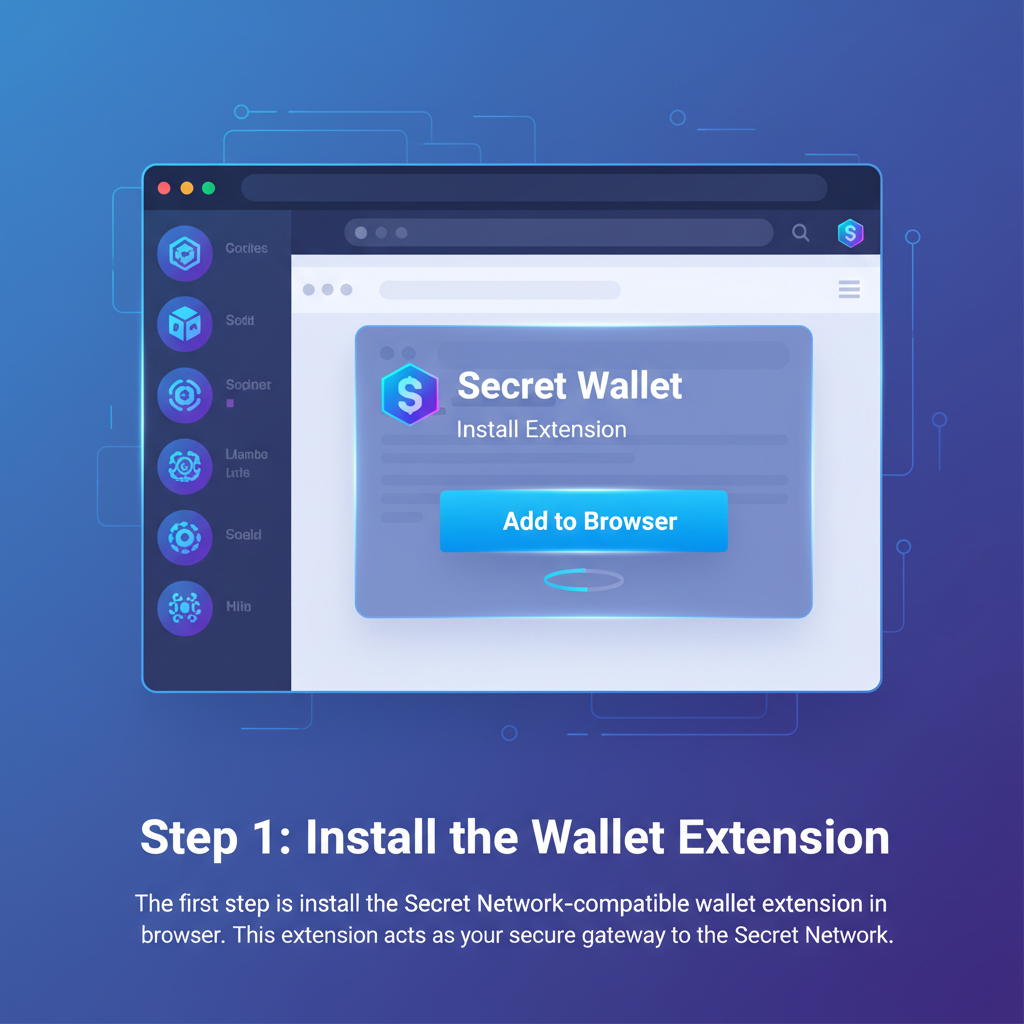
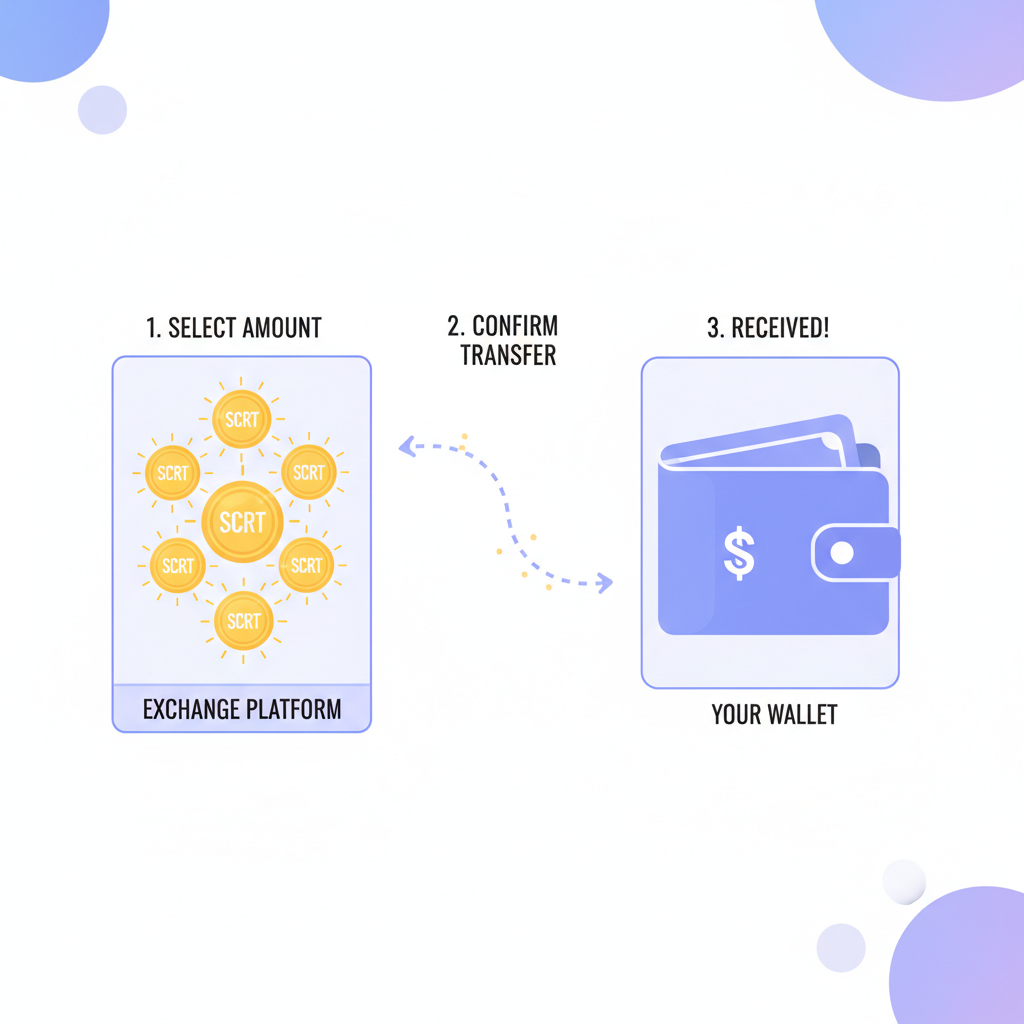
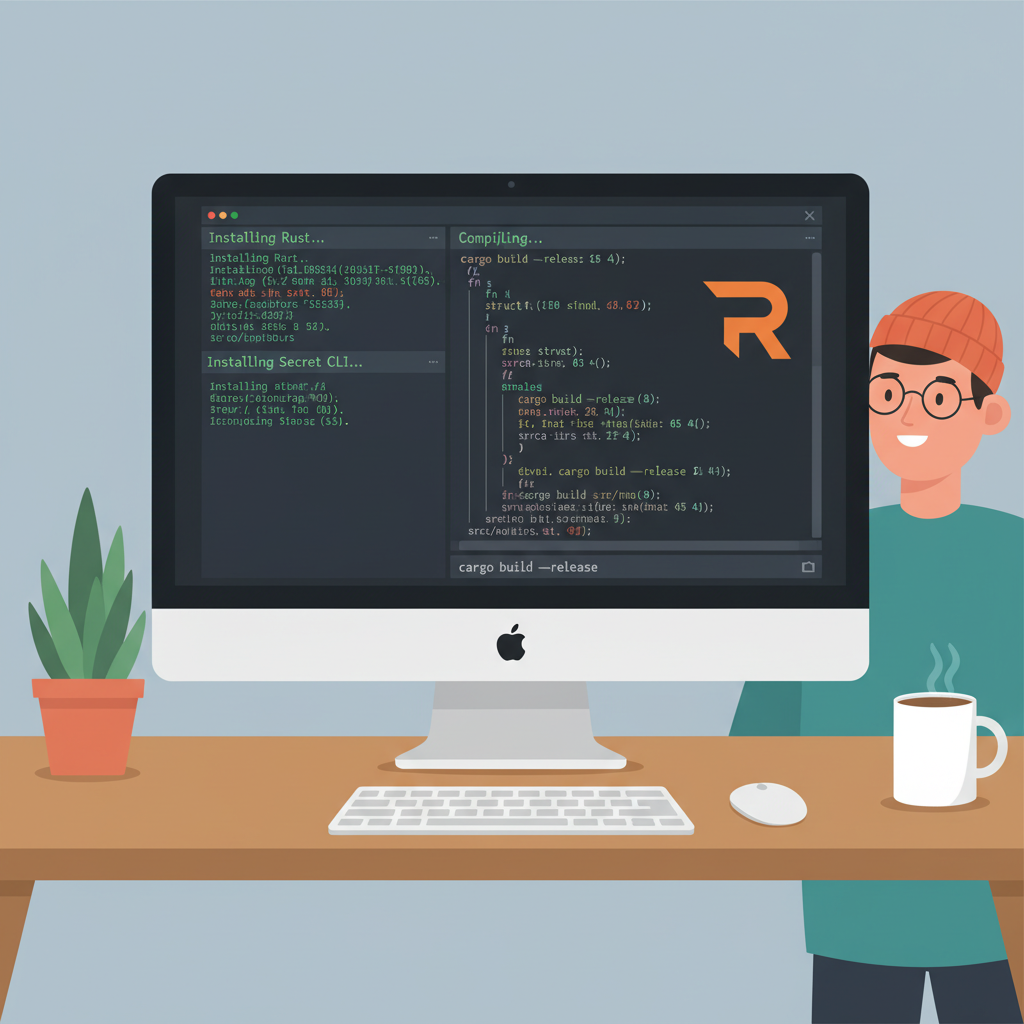
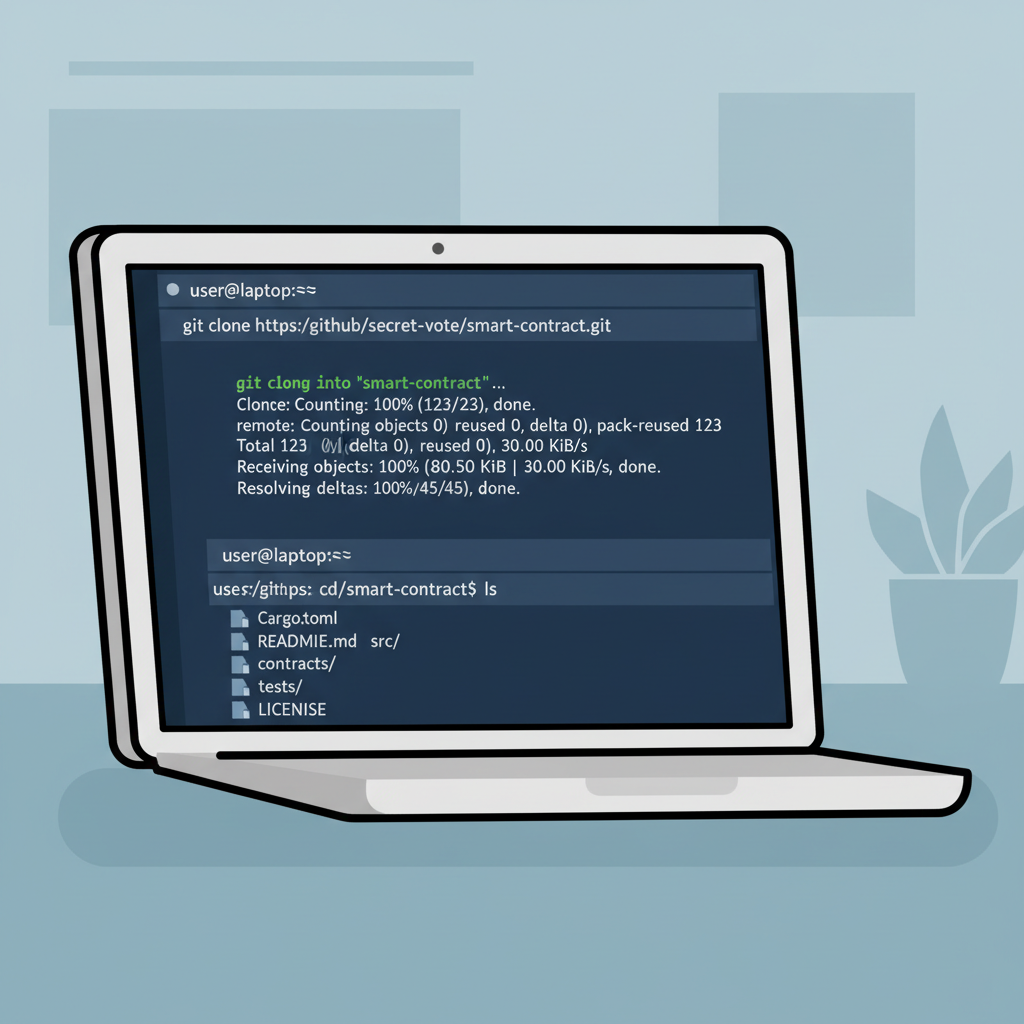
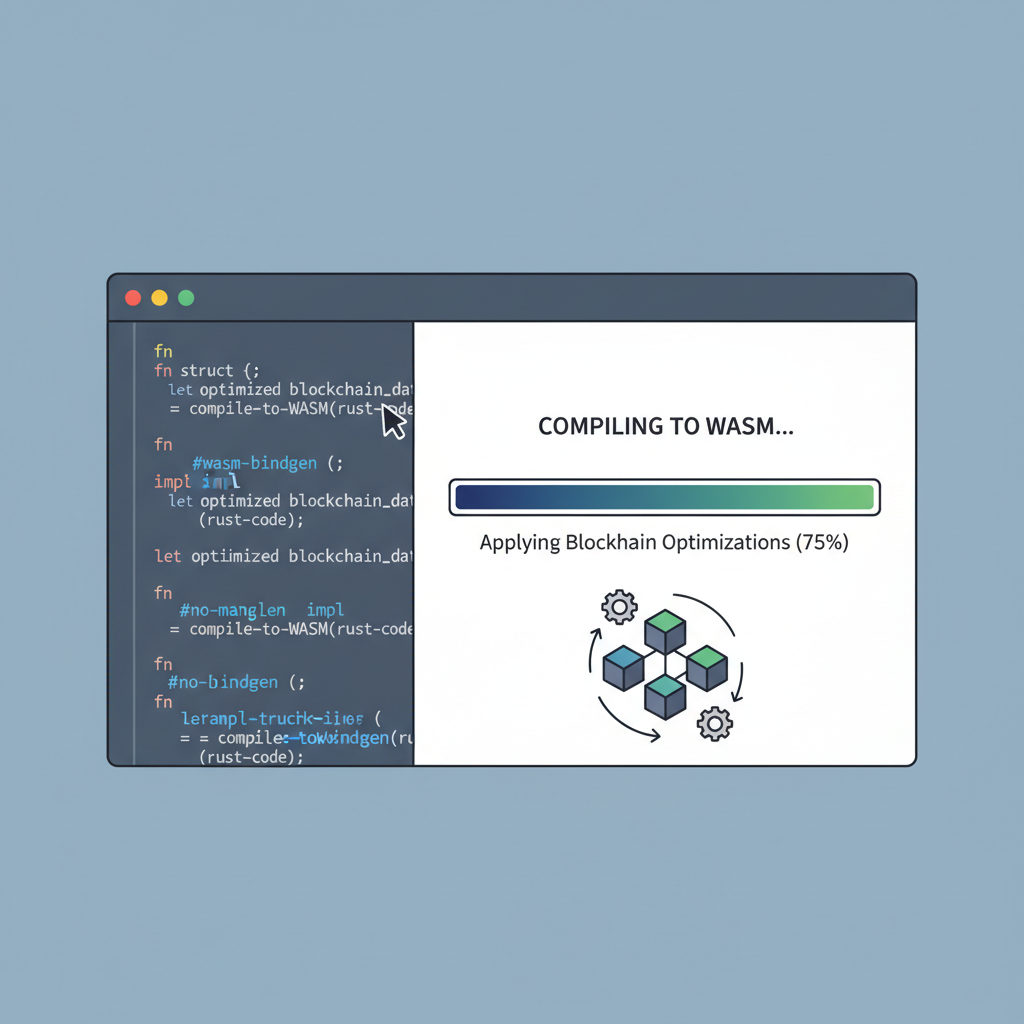
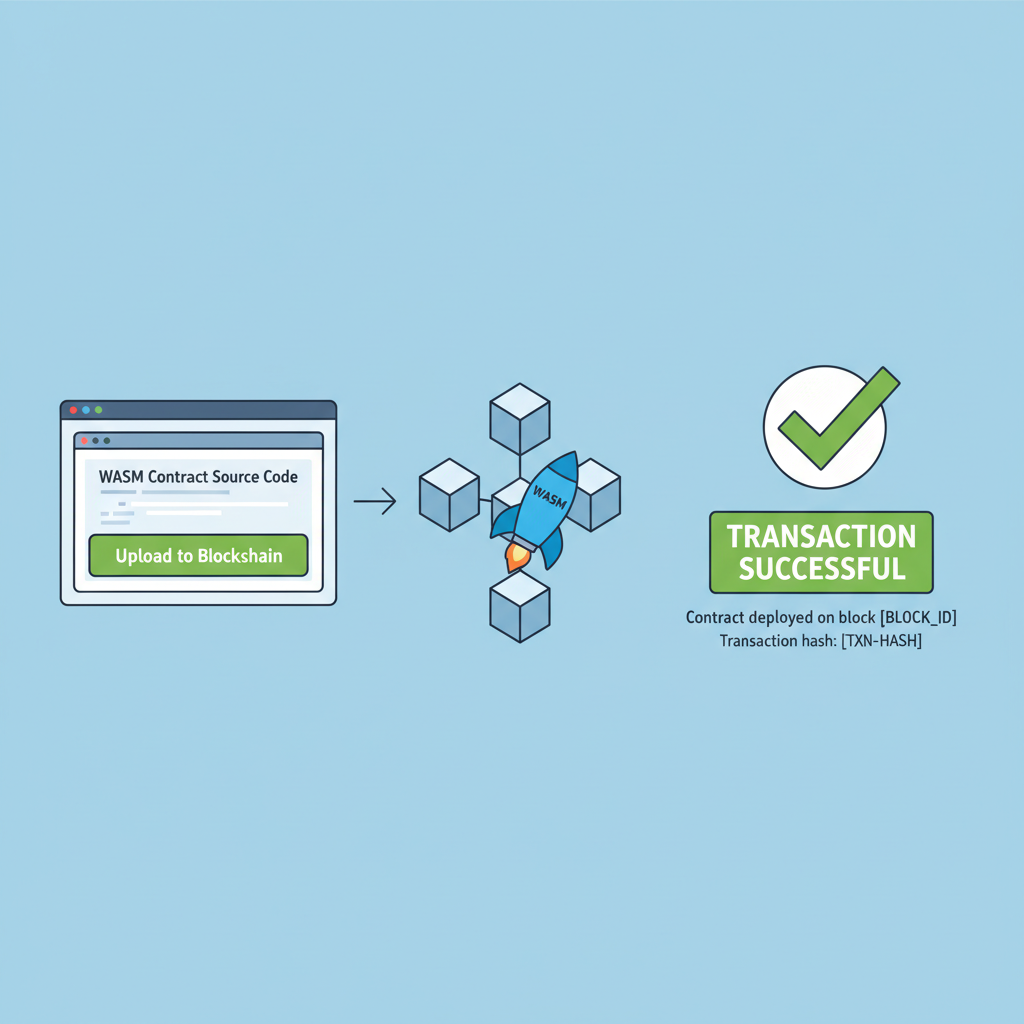
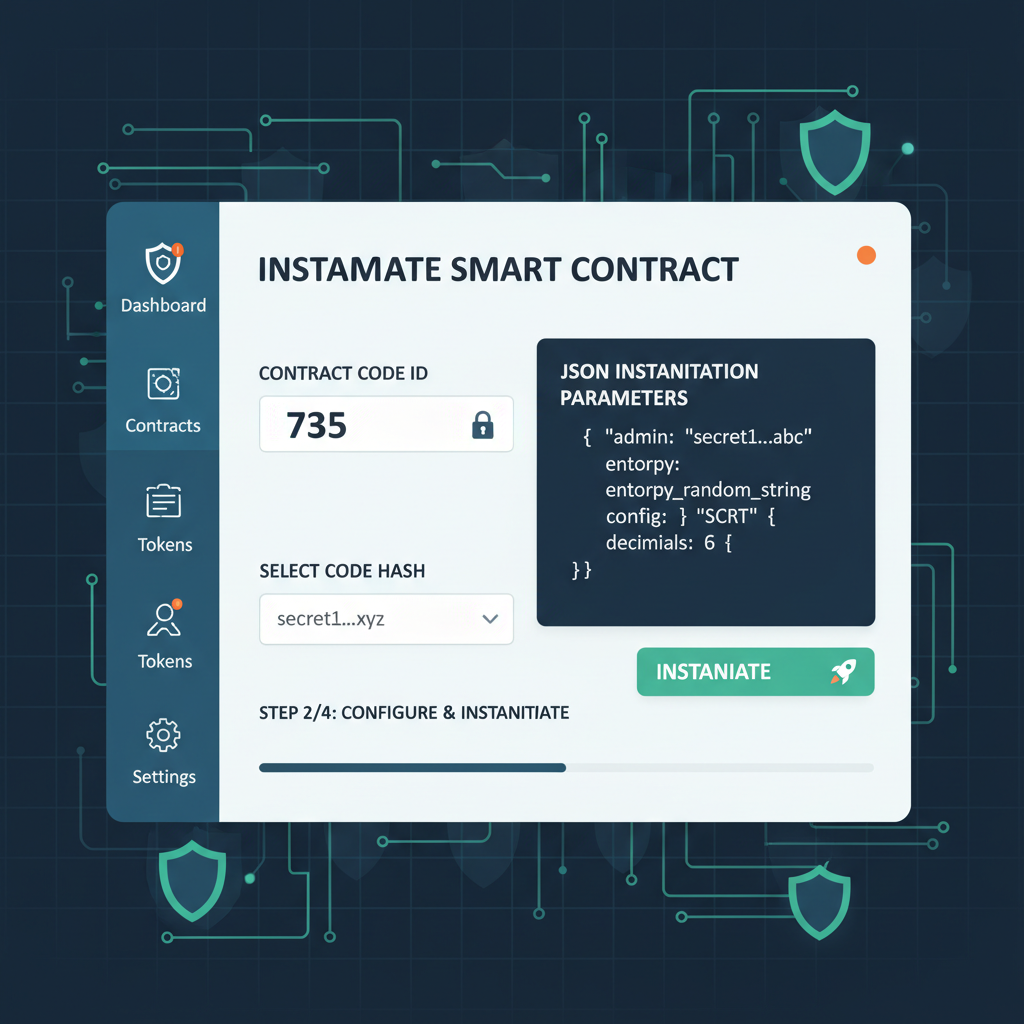
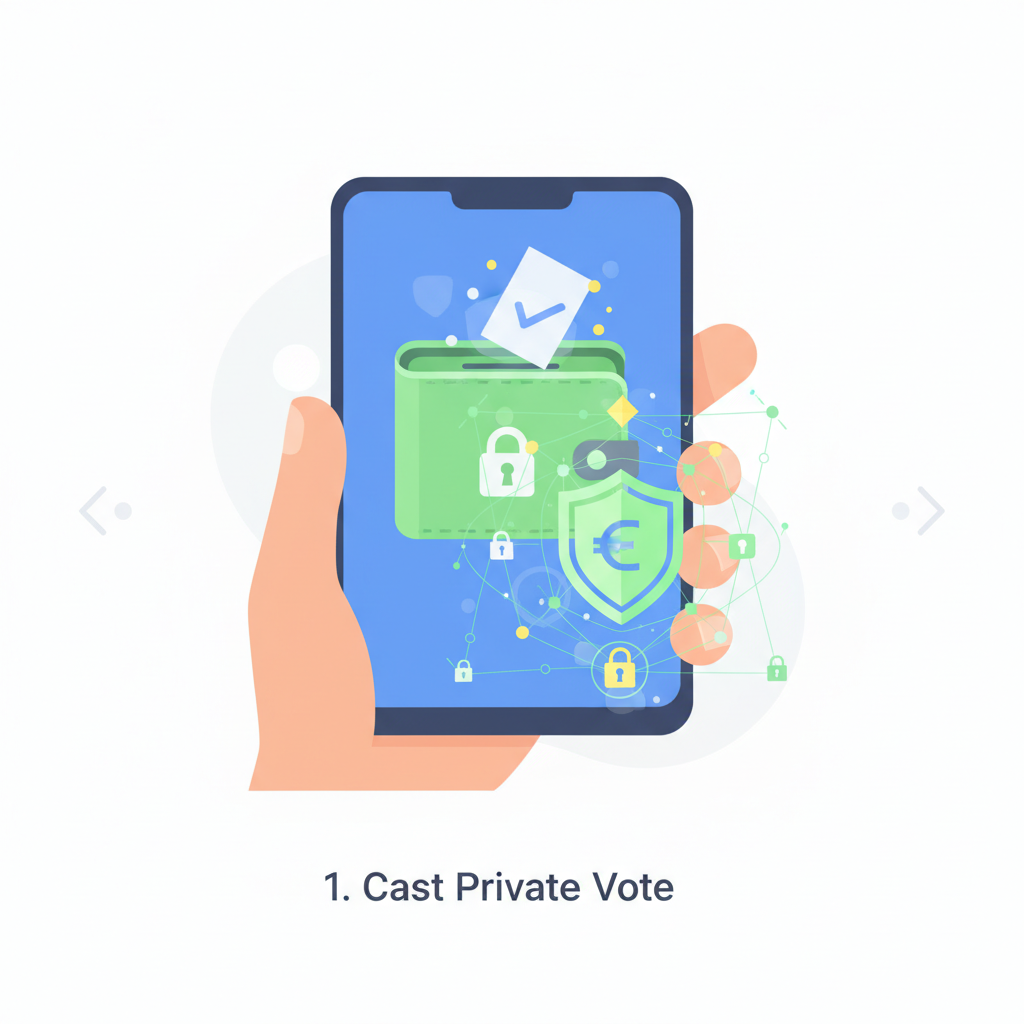
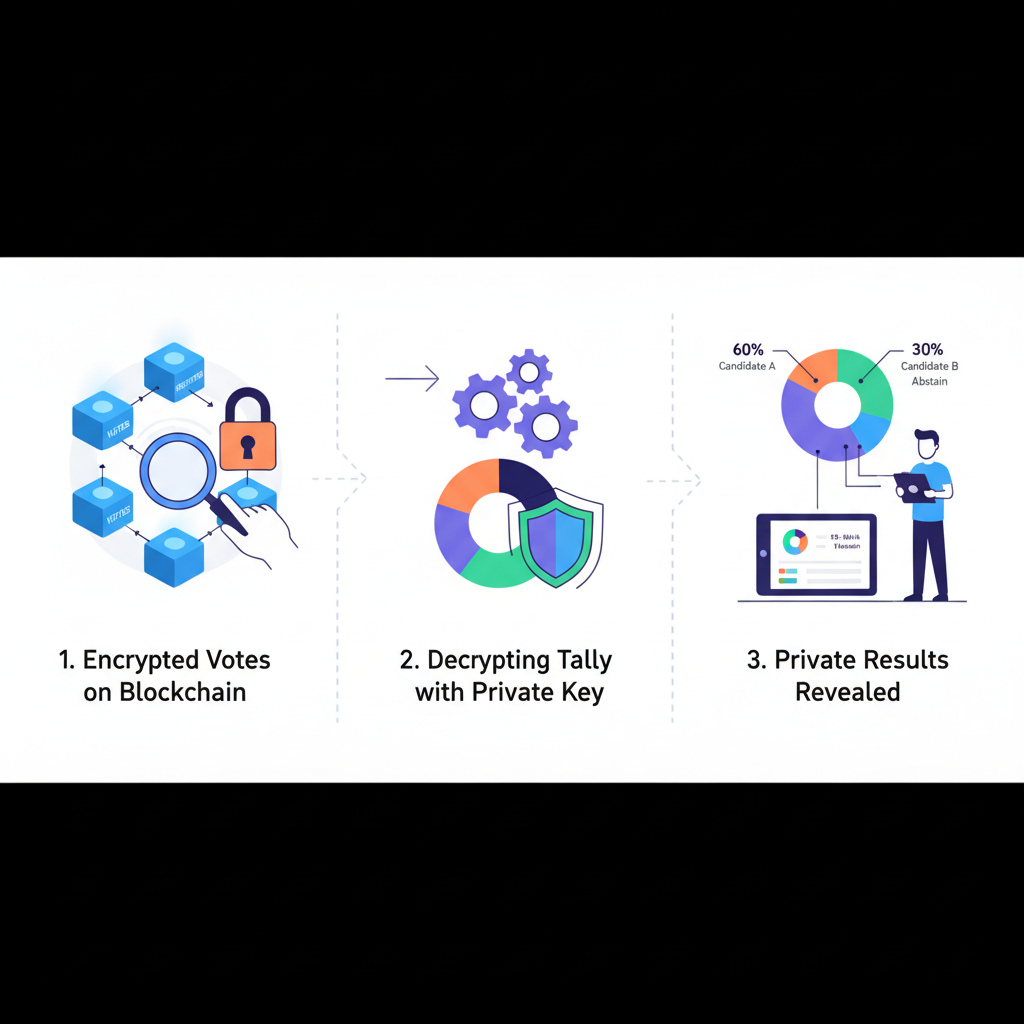
Begin with a developer wallet viewing Secret's native token, SCRT, currently at $0.0916 after a 24-hour gain of and 0.0490%. Fund it to cover gas for deploying a private smart contract via the Secret CLI or platforms like SecretScan. Define your proposal in Rust, encrypting vote options with the contract's viewing key. Members cast votes off-chain through a frontend dApp, which encrypts inputs client-side before submission.
During the voting window, the contract aggregates encrypted tallies without decryption. Post-deadline, a multisig committee or automated threshold reveals the result, verifiable via zero-knowledge proofs. This process, refined in SiennaDAO's implementation, slashes coercion risks; members vote their conscience, not crowd sentiment. Gnosis Chain users now tap this via bridges, unlocking encrypted DAO proposals across L2s.
Inevitably, skeptics question verifiability. Yet Secret's design proves robustness: anyone audits the final decrypt, and on-chain commitments bind the process. Compared to Aztec's NounsDAO experiment or Aragon's Enclave plugin, Secret offers native scalability, handling thousands of votes without quadratic gas spikes plaguing homomorphic alternatives.
Overcoming Objections and Measuring Success
Critics decry privacy as opacity's cousin, but aggregate transparency endures. SiennaDAO reports higher turnout and proposal quality post-adoption, metrics echoing Springer studies on anonymity boosting engagement. With SCRT holding steady at $0.0916 amid and $0.004280 daily flux, market signals confidence in Secret's role for Secret Network DAO governance.
Forward-thinking DAOs experiment hybrids: off-chain signaling for discussion, on-chain private execution for binding votes. ArXiv's off-chain governance paper validates this, escaping token-weighted rigidity. Oasis Network's Reddit discourse reinforces: confidentiality resolves transparency's double-edged sword, preserving verifiability sans exposure.
Envision a DAO treasury vote where a whale's stance stays hidden, preventing forks or bribes. Shutter's ElGamal POC hints at broader adoption, but Secret's live infrastructure leads today. High Stakes Switzerland profiles it aptly: the blockchain for private apps, where data sleeps encrypted until needed.
Challenges persist, like key management, yet tools evolve. MIT's DAO courses spotlight these primitives, training the next cohort. For founders, the calculus shifts: privacy not optional, but foundational for enduring communities. As SCRT trades at $0.0916 with 24-hour highs near $0.0918, its ecosystem burgeons, drawing privacy advocates to build shielded futures.
DAO pioneers embracing Secret Network sidestep vote-buying shadows, cultivating governance where merit trumps mimicry. This isn't mere tech; it's discretion engineered into decentralization's core, yielding decisions as resilient as the chains they secure.




No comments yet. Be the first to share your thoughts!