
Privacy in decentralized governance is no longer a theoretical aspiration - it is a technical imperative. As DAOs (Decentralized Autonomous Organizations) scale, the need for private DAO voting systems that protect individual choices and resist manipulation has become a central design challenge. Zero-knowledge proofs (ZKPs) are now at the forefront of this evolution, enabling robust privacy without undermining verifiability or governance integrity. In this article, we dive into the current landscape, technical considerations, and emerging protocols that are making confidential DAO governance a reality.
Why Privacy Matters in DAO Voting
Traditional on-chain voting exposes voter identities and choices, leading to risks such as vote coercion, bandwagon effects, and the chilling of minority opinions. This transparency, while beneficial for auditability, is detrimental to the democratic ideals DAOs aspire to uphold. Zero-knowledge proofs present a cryptographic solution: they allow a participant to prove eligibility and cast a vote without revealing any sensitive information. As noted by Horizen Labs and o1Labs, ZKPs are now being used to verify voter entitlement and ballot validity locally, keeping both identity and preferences confidential throughout the process.
"With ZK proofs, we can craft a proof that we meet all criteria, without disclosing any other information. Thus, the verifier has Zero Knowledge. " – Aragon DAOs
Key Protocols and Live Implementations
The past year has seen a surge in live deployments of zero-knowledge proofs DAOs and privacy-first governance tools. Here’s a look at some of the most influential:
Top Protocols for Private DAO Voting with ZK Proofs
- Kite Protocol: Developed by Dan Boneh and collaborators, Kite enables private delegation of voting power in DAOs. Voters can delegate, revoke, or re-delegate anonymously, ensuring that even delegates do not know who delegated to them. Read the research.

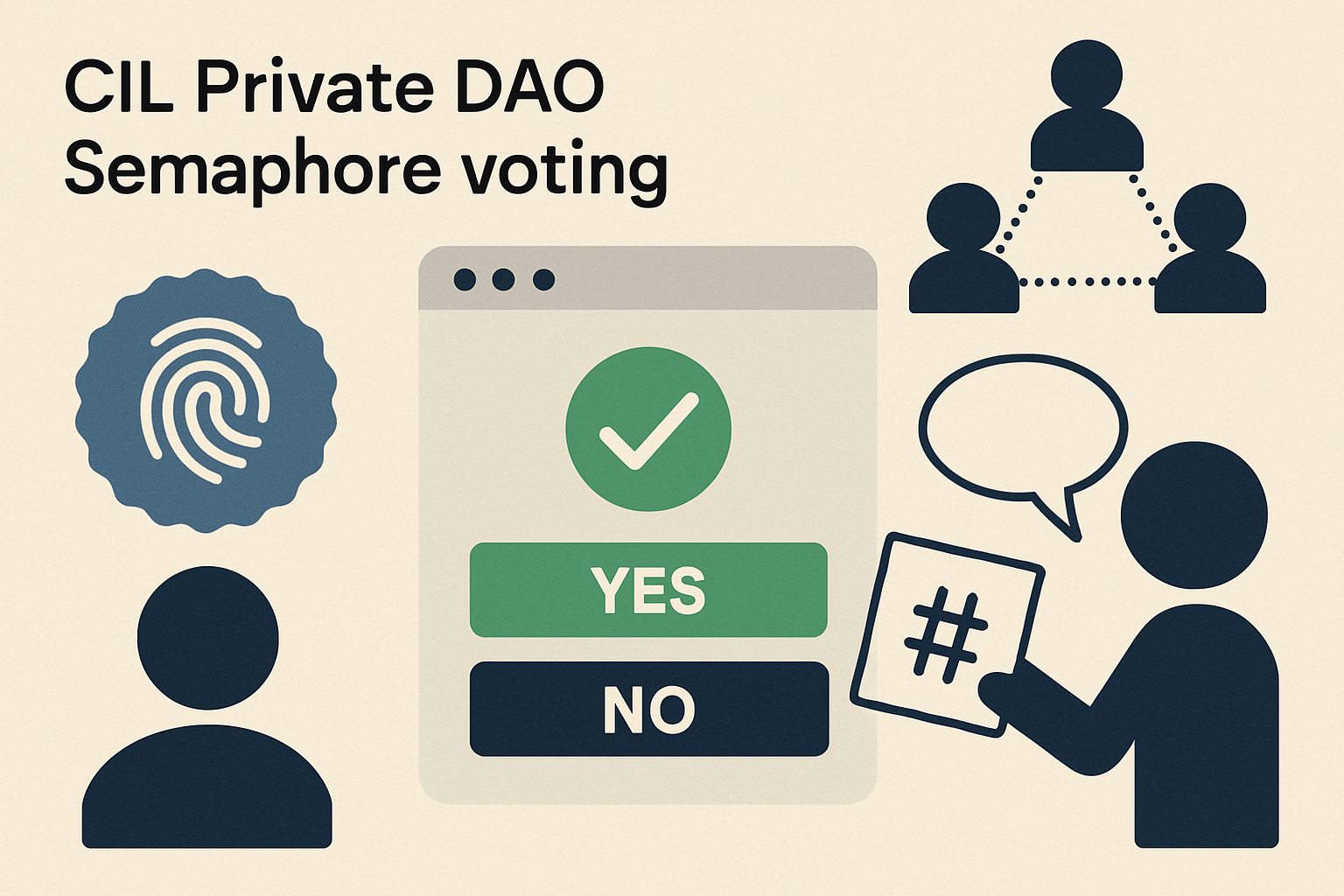
- CIL Private DAO: This project leverages zero-knowledge proofs and Semaphore for open membership and anonymous voting. Members can invite others, and all votes remain confidential until consensus is reached. See the showcase.
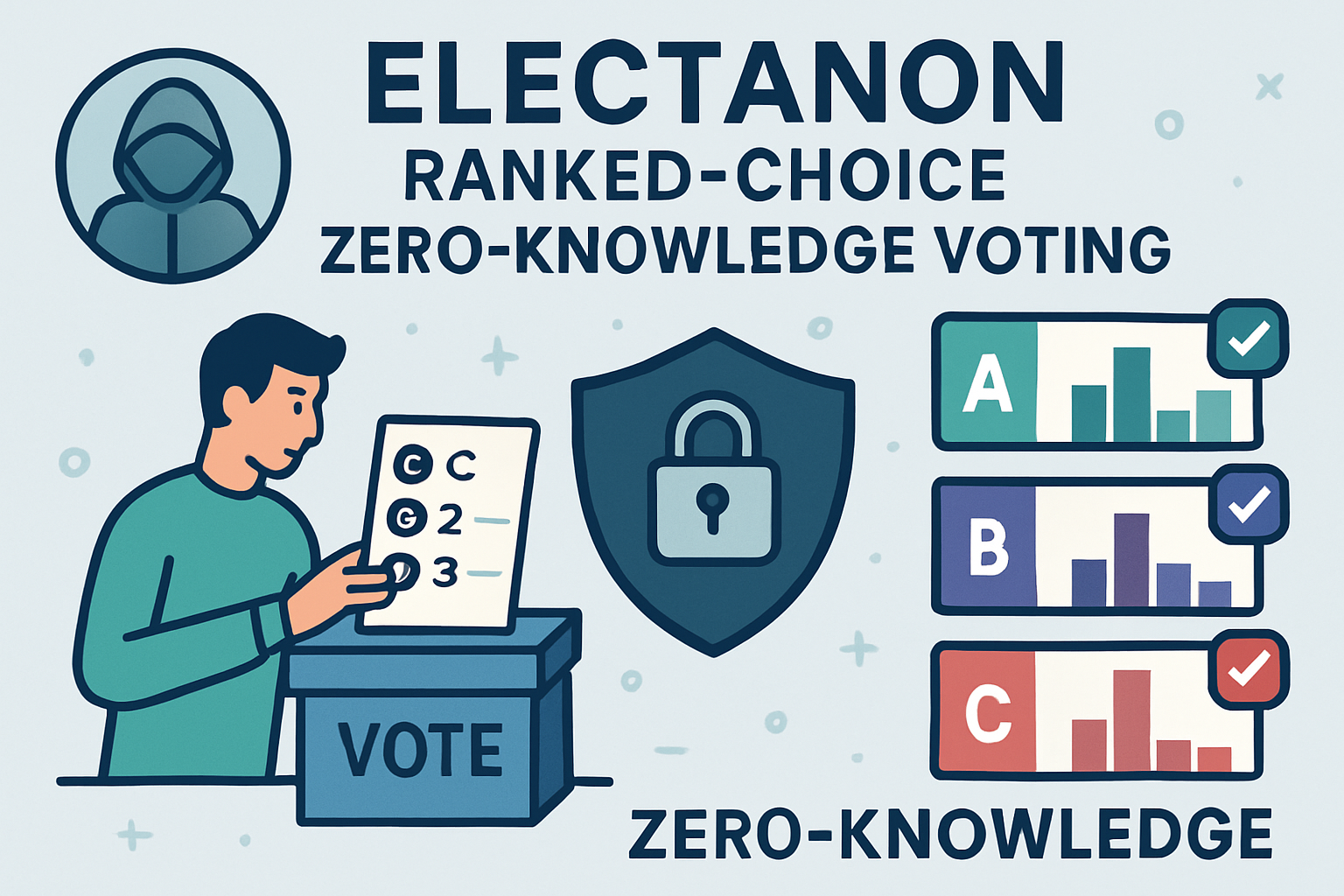
- ElectAnon: A blockchain protocol designed for anonymous, scalable ranked-choice voting. ElectAnon uses ZKPs to maintain voter privacy and election integrity, addressing common blockchain voting challenges. Explore the protocol.
- Panther Protocol: Panther achieved the first private, decentralized protocol launch using ZKPs. Its LaunchDAO allowed users to anonymously verify participation and vote on launch decisions, setting a precedent for private governance. Read the announcement.
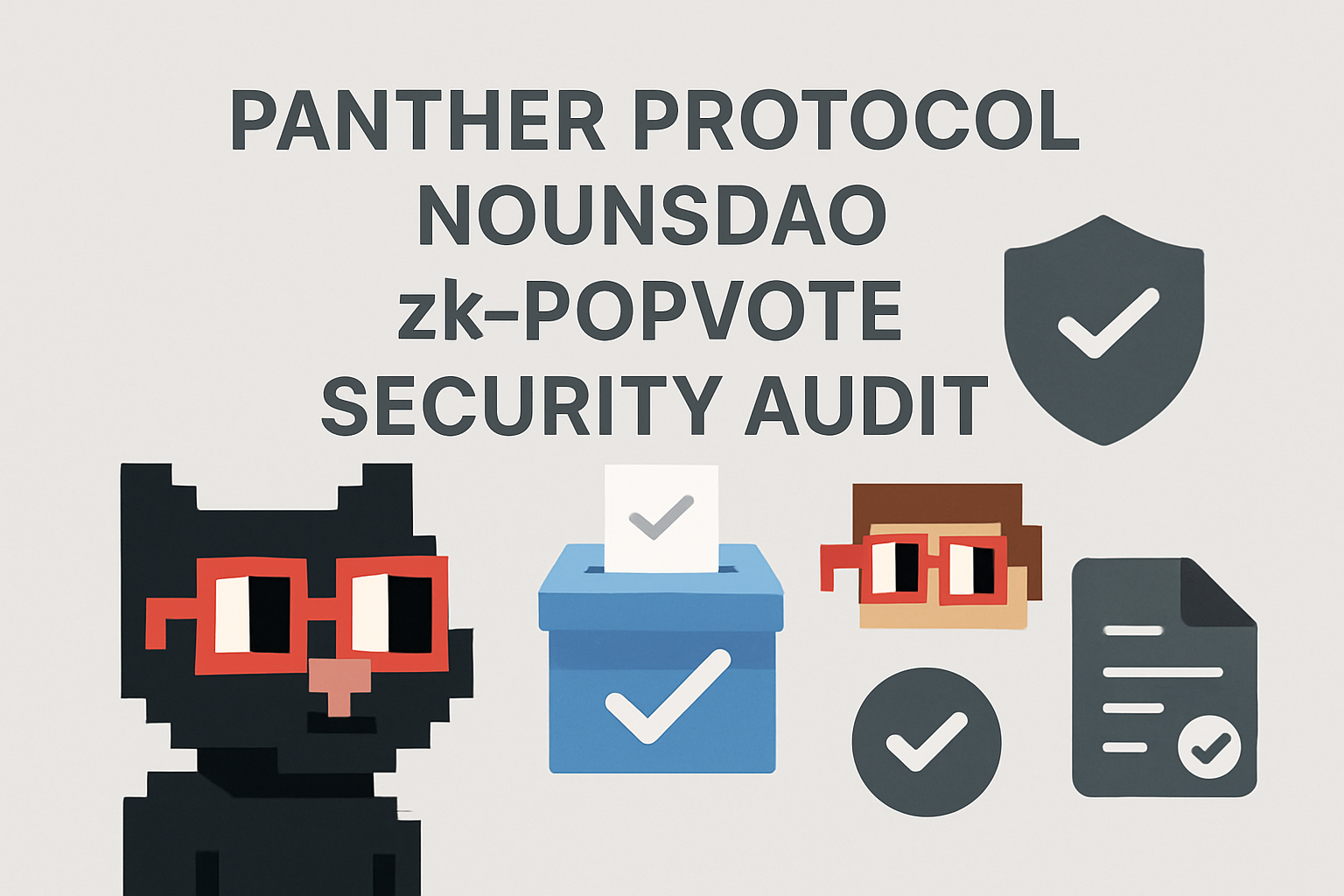
- NounsDAO's zk-POPVOTE: In collaboration with Aztec Labs and Aragon ZK Research, NounsDAO implemented zk-POPVOTE to enable private, secure DAO voting. This system addresses vote coercion and bandwagon effects using advanced ZK cryptography. Learn more.
Each protocol addresses a different aspect of the privacy and scalability puzzle:
- Kite Protocol: Enables anonymous delegation, revocation, and re-delegation of voting power, ensuring that delegates are never exposed to their delegators’ identities.
- CIL Private DAO: Integrates Semaphore to allow open membership and fully anonymous voting, with invitations handled confidentially and all ballots sealed until consensus.
- ElectAnon: Offers robust, scalable ranked-choice voting using ZKPs, solving the common blockchain problem of public vote exposure.
- Panther Protocol: Pioneered the world’s first private decentralized protocol launch, letting participants verify eligibility and vote without revealing their identity.
- NounsDAO with zk-POPVOTE: Utilizes Aztec’s ZK cryptography to tackle vote coercion and bandwagoning in high-profile DAO proposals.
Technical Foundations: How ZKPs Enable Confidential DAO Governance
At the core of these innovations are cryptographic primitives such as zk-SNARKs (Zero-Knowledge Succinct Non-Interactive Argument of Knowledge) and zk-STARKs (Zero-Knowledge Scalable Transparent Argument of Knowledge). Both allow a prover to demonstrate knowledge of a fact (like group membership or a valid vote) without revealing the underlying data. Semaphore, for example, is a protocol that enables anonymous signaling (such as voting) within a group, ensuring that only eligible members participate but without linking votes to individuals.
Mina Protocol’s lightweight blockchain environment is another notable example, providing a scalable platform for implementing private DAO voting with zk-SNARKs. This approach ensures both ballot secrecy and result integrity - a non-trivial balance in public blockchains. The choice between zk-SNARKs and zk-STARKs often comes down to trade-offs in proof size, setup trust assumptions, and computational overhead.
Challenges: Usability, Scalability, and Compliance
Despite rapid progress, several challenges remain before ZKP-based secure DAO voting systems reach mainstream adoption:
- Computational Overhead: Generating and verifying ZKPs can be resource-intensive. Projects like Panther Protocol and CIL Private DAO are working to optimize proof generation for real-time governance.
- User Experience: For broad participation, privacy-preserving tools must be intuitive. Complex cryptographic operations should be abstracted away from end users.
- Regulatory Compliance: DAOs must balance privacy with evolving regulatory requirements. ZKPs can enable selective disclosure - proving compliance without exposing sensitive data - but frameworks are still emerging.
For more on implementation strategies and compliance considerations, see our deep dive at Implementing Zero-Knowledge Proofs for Confidential DAO Voting.
In the context of confidential DAO governance, these challenges are not insurmountable. Teams are leveraging modular cryptography and innovative protocol design to make private voting both practical and scalable. For example, Semaphore’s group membership proofs are now being integrated with off-chain computation, reducing on-chain gas costs while preserving anonymity. Meanwhile, zk-SNARK circuits are being optimized for common DAO voting patterns, making real-time, privacy-preserving elections feasible even for large communities.
Best Practices for Implementing Private DAO Voting
Organizations seeking to adopt secure DAO voting systems should consider the following best practices:
Best Practices for Zero-Knowledge Proofs in DAO Voting
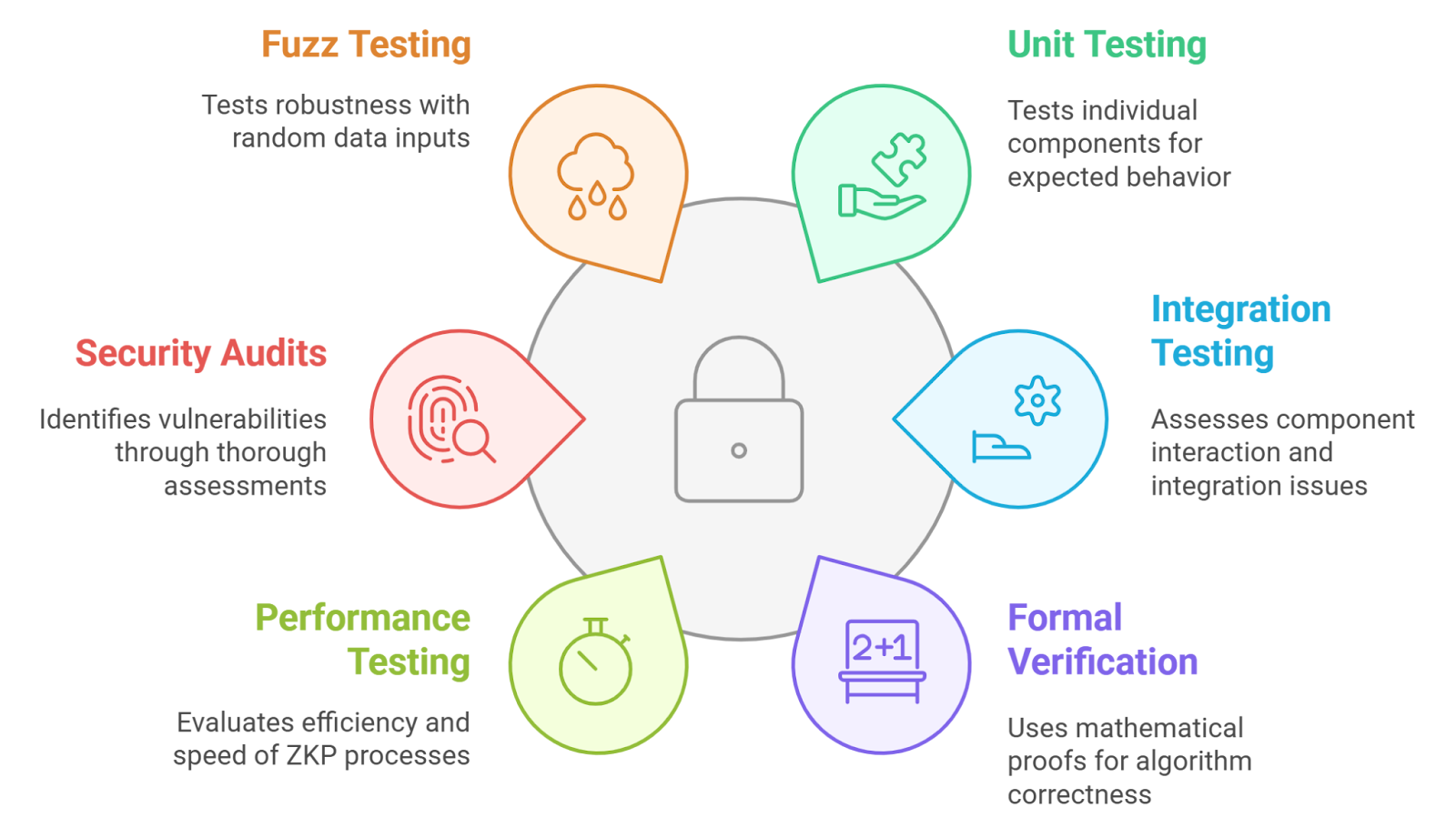
- Conduct Comprehensive Threat Modeling: Identify potential attack vectors such as vote manipulation, Sybil attacks, and coercion. Leverage proven protocols like Kite and Semaphore to address privacy and security risks specific to DAO voting environments.
- Streamline User Onboarding with Privacy-Preserving Tools: Integrate user-friendly ZKP-based onboarding solutions, such as CIL Private DAO and Semaphore, to enable anonymous membership verification and lower barriers for participation without compromising privacy.

- Ensure Transparent and Ongoing Security Audits: Regularly audit ZKP implementations using reputable third-party firms. Projects like Panther Protocol and NounsDAO zk-POPVOTE have demonstrated the importance of transparent audits to maintain trust and system integrity.
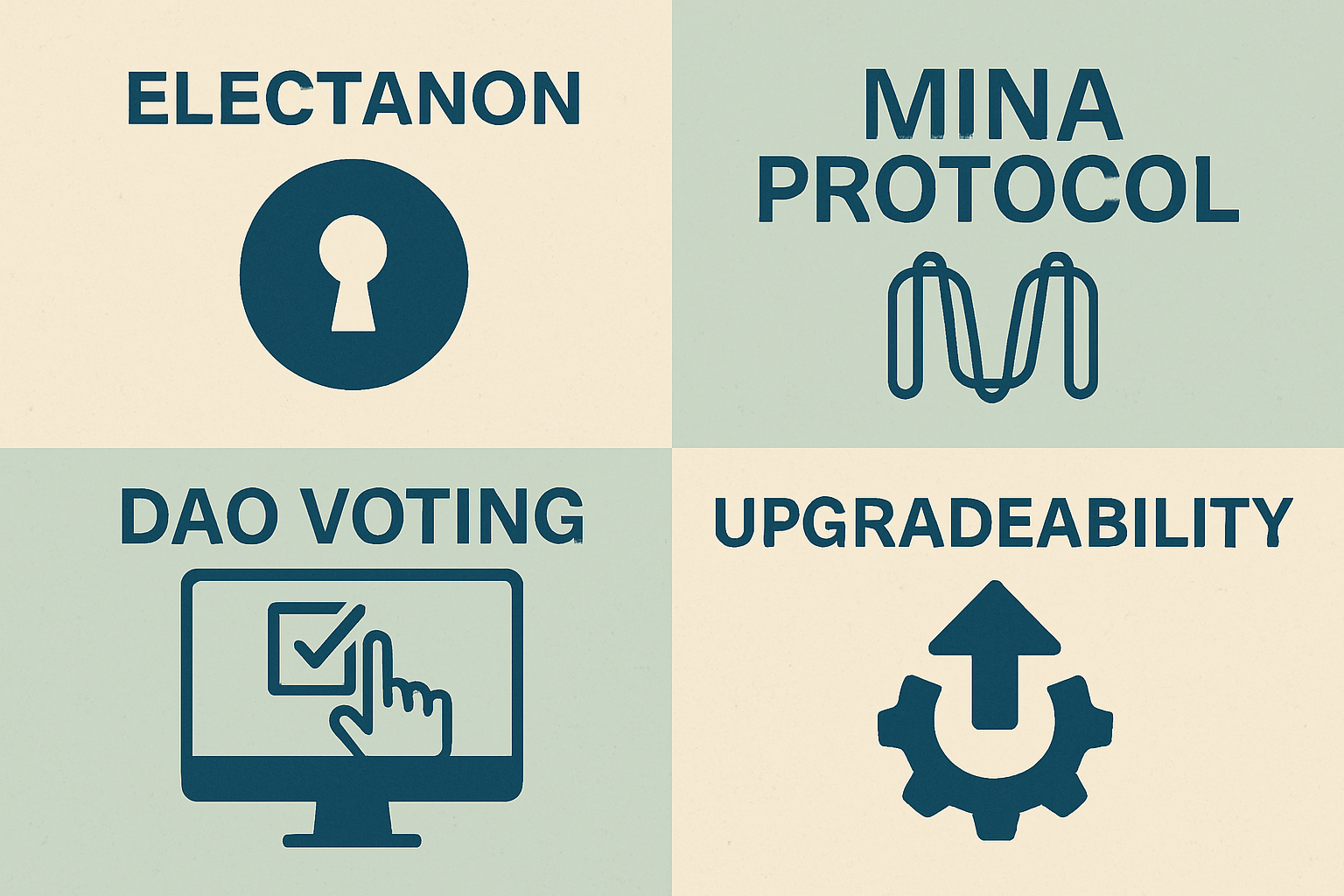
- Design for Upgradeability Without Sacrificing Privacy: Use modular architectures and upgradable smart contracts, as seen in ElectAnon and Mina Protocol, to allow protocol improvements while preserving the privacy guarantees of existing votes and memberships.
- Optimize for Scalability and Performance: Select efficient ZKP schemes—such as zk-SNARKs for compact proofs or zk-STARKs for transparent setups—to minimize computational overhead and support large-scale DAO voting.
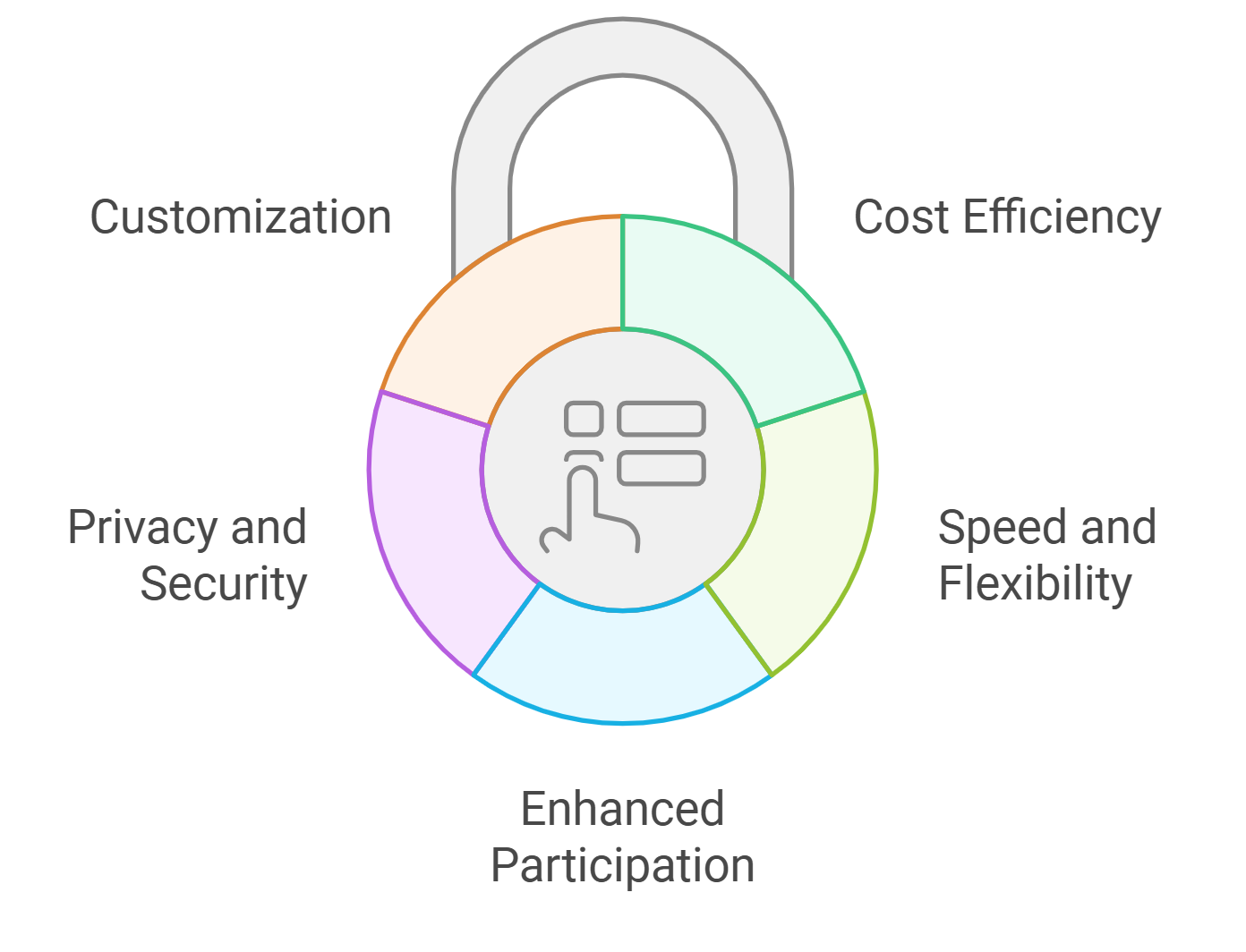
- Balance Privacy with Regulatory Compliance: Implement privacy-preserving mechanisms that also support auditability and compliance, as highlighted by Confidential DAOs and Aragon DAOs, ensuring DAOs can meet legal requirements without exposing sensitive voter data.
Threat modeling is essential. DAOs must map out potential attack vectors, from vote manipulation to Sybil attacks, and select ZKP protocols that address these risks. User onboarding should be frictionless, with interfaces abstracting away cryptographic complexity. Regular third-party audits of cryptographic circuits and smart contracts can uncover vulnerabilities before they impact governance. Finally, upgradeability is crucial, privacy protocols and regulatory environments are evolving fast, so systems should be designed for modular upgrades without compromising security or confidentiality.
To see how these principles are applied in practice, consider the Panther Protocol LaunchDAO. By leveraging ZKPs, Panther enabled anonymous eligibility checks and confidential balloting during its protocol launch, setting a new standard for privacy in decentralized governance. Similarly, NounsDAO’s adoption of zk-POPVOTE demonstrates how even high-profile, high-value DAOs can adopt fully private voting without sacrificing transparency or legitimacy.
Emerging Standards and Regulatory Outlook
As adoption of blockchain privacy solutions accelerates, standards for ZKP-based voting are beginning to coalesce. Projects like ElectAnon and CIL Private DAO are contributing open-source frameworks and reference implementations, making it easier for new DAOs to launch with privacy by default. Interoperability is also a growing focus, ensuring that private voting modules can be integrated into existing DAO stacks like Aragon, DAOstack, or Snapshot.
On the regulatory front, privacy-preserving DAOs must be proactive. Selective disclosure mechanisms, where members can prove compliance (e. g. , jurisdictional eligibility or AML requirements) without revealing their full identity, are gaining traction. This approach aligns with emerging data protection standards while preserving the core ethos of decentralized governance. For a deeper technical breakdown of how ZKPs can balance privacy and regulatory needs, see How Zero-Knowledge Proofs Enhance Privacy in DAO Governance.
What’s Next for Private DAO Voting?
The momentum behind zero-knowledge proofs DAOs signals a paradigm shift in on-chain governance. As cryptographic primitives mature and user experience improves, we can expect confidential voting to become the norm rather than the exception. The next wave of innovation will likely focus on cross-chain interoperability, real-time tallying with privacy guarantees, and seamless user onboarding that hides complexity behind intuitive interfaces.
"Zero-knowledge proofs aren’t just a privacy tool, they’re a foundation for trustless, inclusive, and censorship-resistant governance. " – Sophie Caldwell, Confidential Daos
DAOs at the forefront of this transformation are not just protecting their members, they’re redefining what it means to participate in decentralized communities. For more technical guides and case studies on implementing private voting, visit our resource hub or explore How Private Voting Mechanisms Can Protect DAO Members and Enhance Governance.




No comments yet. Be the first to share your thoughts!